

Every company talks about safety, but a surprising number still fall short when it comes to putting proper checks in place. OSHA reports that regular safety audits can reduce workplace injury rates by up to 40 percent. That sounds impressive, right? Yet most audits focus on ticking boxes rather than truly spotting risky blind spots. Real improvement comes when organizations flip the script and treat audits not as a paperwork drill, but as a chance to protect their people and build a stronger workplace from the ground up.
Table of Contents
- Understanding the Purpose of Safety Audits
- Preparing for a Successful Safety Audit
- Conducting the Audit Step by Step
- Reporting Findings and Taking Action
Quick Summary
| Takeaway | Explanation |
|---|---|
| Conduct regular safety audits. | Routine audits help organizations identify risks and improve safety protocols effectively. |
| Establish a strong documentation framework. | Meticulous records demonstrate compliance and highlight areas for safety improvement. |
| Build a culture of safety. | A proactive safety culture engages employees and fosters commitment to workplace safety initiatives. |
| Take immediate corrective actions. | Prompt responses to audit findings are essential to mitigate identified safety risks. |
| Monitor and continuously improve safety practices. | Ongoing review of safety measures ensures sustained enhancements and compliance with safety standards. |
Understanding the Purpose of Safety Audits
Safety audits represent a critical proactive approach to workplace risk management, serving as a comprehensive evaluation mechanism for organizations to identify, assess, and mitigate potential hazards. According to OSHA, these systematic reviews are essential for ensuring workplace safety, compliance, and continuous improvement of organizational health and safety protocols.
Why Safety Audits Matter for Organizations
At their core, safety audits are strategic tools that go beyond simple compliance checks. They provide organizations with a structured method to examine existing safety practices, uncover potential vulnerabilities, and develop targeted strategies for preventing workplace incidents. Comprehensive safety audits help companies understand their current safety landscape, identifying both obvious and hidden risks that might otherwise go unnoticed.
The primary objectives of safety audits include detecting potential workplace hazards, evaluating the effectiveness of current safety programs, and ensuring regulatory compliance. By conducting thorough and regular safety audits, organizations can:
- Prevent Workplace Accidents: Systematically identify and address potential safety risks before they result in injuries or incidents
- Reduce Financial Liabilities: Minimize potential legal and compensation costs associated with workplace accidents
- Enhance Organizational Culture: Demonstrate a genuine commitment to employee well-being and safety
The Strategic Value of Proactive Safety Assessment
Proactive safety assessment through audits represents a critical investment in organizational resilience. Research from the National Safety Council indicates that companies implementing rigorous safety audit processes experience significantly lower incident rates and improved overall workplace safety performance.
Beyond immediate risk mitigation, safety audits serve as a strategic tool for continuous improvement. They provide organizations with actionable insights into their safety management systems, allowing for data-driven decision-making and targeted interventions. By regularly reviewing and updating safety protocols, companies can create a dynamic and responsive approach to workplace safety.
Moreover, safety audits are not just about identifying problems. They represent an opportunity to recognize and reinforce existing good practices, understand emerging safety trends, and develop more sophisticated risk management strategies. Our guide on workplace safety training offers additional insights into creating comprehensive safety frameworks that complement thorough audit processes.
The ultimate goal of safety audits extends far beyond mere regulatory compliance. They are a fundamental mechanism for protecting an organization’s most valuable asset: its people. By systematically evaluating workplace safety, companies demonstrate a commitment to creating environments where employees can perform their duties without unnecessary risk, ultimately contributing to enhanced productivity, morale, and organizational success.
Preparing for a Successful Safety Audit
Preparing for a safety audit requires a strategic and comprehensive approach that goes beyond simple documentation. Organizations must develop a systematic methodology to ensure they are fully ready for a thorough and detailed safety assessment. The Ohio State University’s Environmental Health and Safety guide emphasizes the critical importance of proactive preparation to guarantee a successful audit process.
Establishing a Robust Safety Documentation Framework
Documentation forms the backbone of any successful safety audit. Companies must create and maintain meticulous records that demonstrate their commitment to workplace safety. This involves developing comprehensive safety manuals, incident reports, training logs, and equipment maintenance records. Organized documentation serves multiple purposes: it provides evidence of compliance, tracks historical safety performance, and reveals potential areas for improvement.
Key documentation elements include:
- Incident and Accident Reports: Detailed logs of all workplace incidents, near-misses, and corrective actions taken
- Training Records: Comprehensive documentation of employee safety training, certifications, and skill assessments
- Equipment Maintenance Logs: Systematic records of equipment inspections, repairs, and maintenance schedules
Below is a table summarizing the key documentation elements required for a robust safety documentation framework and their purposes.
| Documentation Element | Description | Purpose |
|---|---|---|
| Incident and Accident Reports | Logs of all workplace incidents, near-misses, corrective actions taken | Evidence of issues, compliance, improvement |
| Training Records | Records of employee safety training, certifications | Demonstrates employee readiness/compliance |
| Equipment Maintenance Logs | Records of equipment inspections, repairs, maintenance | Ensures equipment safety and reliability |
| Safety Manuals | Comprehensive safety procedures and protocols | Guides safe operations, compliance |
Conducting Internal Pre-Audit Assessments
Before the official safety audit, organizations should perform rigorous internal assessments. Research from the National Safety Council suggests that companies conducting thorough self-evaluations can identify and address potential compliance gaps before external auditors arrive. This proactive approach not only improves overall safety standards but also demonstrates organizational commitment to continuous improvement.
Effective internal pre-audit assessments involve:
- Reviewing all existing safety protocols
- Identifying potential non-compliance areas
- Implementing immediate corrective actions
- Simulating audit scenarios to test organizational readiness
Building a Culture of Safety and Preparedness
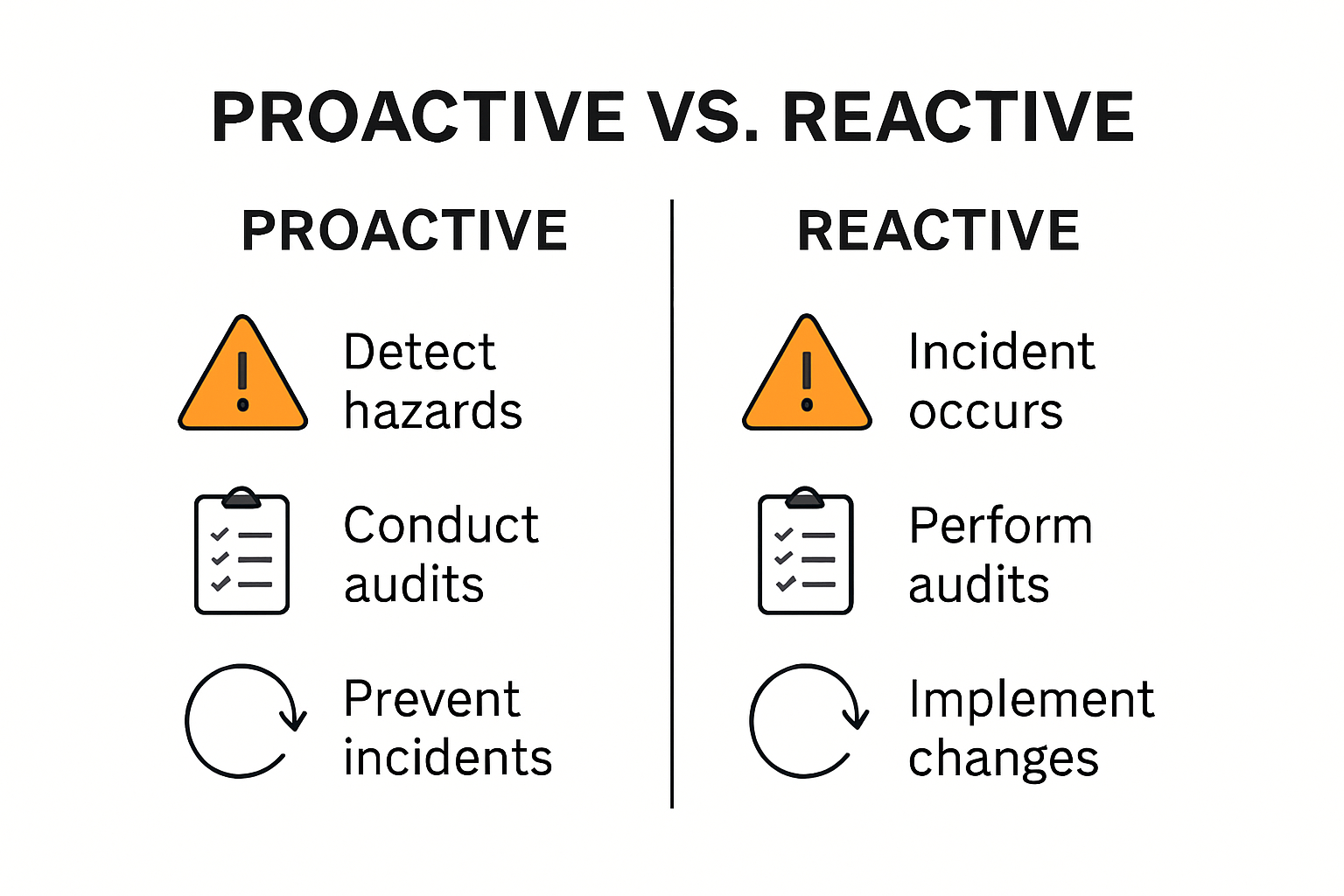
Successful safety audit preparation extends beyond documentation and assessments. Organizations must cultivate a comprehensive safety culture that permeates every level of the organization. Our comprehensive guide on safety officer training highlights the importance of creating an environment where safety is everyone’s responsibility.
Building this culture requires:
- Regular safety training and awareness programs
- Open communication channels for reporting potential hazards
- Leadership commitment to prioritizing workplace safety
- Continuous education and skill development for employees
Preparing for a safety audit is not a one-time event but an ongoing process of continuous improvement. By establishing robust documentation, conducting thorough internal assessments, and fostering a strong safety culture, organizations can approach safety audits with confidence. The goal is not merely to pass an audit but to create a workplace environment that genuinely prioritizes the health, safety, and well-being of every employee.
Conducting the Audit Step by Step
Conducting a comprehensive safety audit requires a systematic and thorough approach that goes beyond superficial assessments. The NIOSH and OSHA Small Business Safety and Health Handbook provides critical guidance on creating a structured and effective audit process that ensures rigorous workplace safety evaluation.
Developing a Comprehensive Audit Methodology
A successful safety audit begins with developing a clear and detailed methodology. This involves creating a strategic plan that outlines specific objectives, defines audit scope, and establishes precise evaluation criteria. Audit preparation requires identifying key performance indicators, determining audit team composition, and establishing clear protocols for documentation and reporting.
Critical components of audit methodology include:
- Scope Definition: Clearly delineate the specific areas, departments, and processes to be examined
- Risk Assessment: Prioritize high-risk areas and potential safety vulnerabilities
- Evaluation Criteria: Establish specific metrics and standards for assessment
Below is a table summarizing the main steps involved in developing and executing a safety audit methodology.
| Step | Description |
|---|---|
| Define Scope | Identify departments, areas, and processes to be audited |
| Conduct Risk Assessment | Prioritize high-risk zones and potential hazards |
| Establish Evaluation Criteria | Set specific metrics and standards for measurement |
| Select Audit Team | Determine members responsible for the audit |
| Plan Documentation & Reports | Set procedures for recording and reporting findings |
Executing the On-Site Safety Audit
According to Penn State’s Compliance Requirements Guide, the on-site audit process involves a meticulous and structured approach to workplace safety evaluation. Auditors must conduct systematic inspections that go beyond checklist compliance, focusing on understanding the practical implementation of safety protocols.
Key steps in executing an effective on-site audit include:
- Physical workplace inspections
- Employee interviews and observations
- Equipment and process safety reviews
- Documentation verification
- Identification of potential hazards and non-compliance issues
Post-Audit Analysis and Reporting
The final stage of a safety audit is perhaps its most critical phase. Auditors must transform collected data into actionable insights that drive meaningful safety improvements. This involves comprehensive analysis, detailed reporting, and the development of strategic recommendations for addressing identified risks.
Effective post-audit processes should include:
- Comprehensive documentation of findings
- Prioritization of identified safety risks
- Development of corrective action plans
- Establishment of follow-up mechanisms
- Creation of long-term improvement strategies
Our guide on safety training requirements provides additional context for implementing audit recommendations and creating sustainable safety improvements.
Conducting a safety audit is not merely a compliance exercise but a strategic opportunity to enhance workplace safety. By approaching the audit with a systematic, thorough, and proactive methodology, organizations can transform potential risks into opportunities for continuous improvement, ultimately creating safer and more productive work environments.
Reporting Findings and Taking Action
Reporting safety audit findings and implementing corrective actions represent critical phases that transform audit insights into meaningful workplace improvements. OSHA’s Voluntary Safety and Health Audit Guidelines emphasize that effective reporting goes beyond documentation and requires strategic, time-sensitive interventions.
Developing Comprehensive Audit Reports
A robust audit report serves as a blueprint for organizational safety enhancement. Effective reporting requires clear, detailed documentation that objectively captures audit findings, prioritizes risks, and provides actionable recommendations. The report should include quantitative and qualitative assessments, ensuring stakeholders understand both the immediate risks and long-term improvement strategies.
Key components of a comprehensive audit report include:
- Detailed Hazard Identification: Specific description of observed safety risks
- Risk Severity Classification: Systematic categorization of potential dangers
- Immediate and Long-term Recommendations: Structured action plans for risk mitigation
- Compliance Status: Current alignment with safety regulations and standards
Implementing Strategic Corrective Actions
According to OSHA’s Audit and Verification Program, implementing corrective actions requires a structured approach that prioritizes risks and establishes clear accountability. Organizations must develop targeted intervention strategies that address identified safety gaps, assign specific responsibilities, and establish measurable timelines for resolution.
Effective corrective action implementation involves:
- Prioritizing risks based on potential severity and likelihood
- Developing specific, measurable intervention strategies
- Assigning clear accountability for each corrective measure
- Establishing realistic timelines for risk mitigation
- Creating follow-up mechanisms to verify implementation
Monitoring and Continuous Improvement
Successful safety audit outcomes extend beyond initial reporting and intervention. Organizations must establish robust monitoring systems that track the progress of corrective actions, assess their effectiveness, and integrate lessons learned into broader safety management frameworks. Our guide on running effective organizational audits provides additional insights into creating sustainable improvement processes.
Continuous improvement strategies should include:
- Regular follow-up assessments
- Performance tracking of implemented corrective actions
- Periodic review of safety management systems
- Employee feedback and engagement mechanisms
- Integration of audit insights into broader training and development programs
Reporting findings and taking action is not a linear process but a dynamic, iterative approach to workplace safety. By developing comprehensive reports, implementing strategic corrective actions, and maintaining a commitment to continuous improvement, organizations can transform safety audits from compliance exercises into powerful tools for creating safer, more resilient work environments. The ultimate goal remains protecting employees, minimizing risks, and fostering a culture of proactive safety management.

Frequently Asked Questions
What is the purpose of conducting safety audits?
Safety audits are conducted to identify, assess, and mitigate potential hazards in the workplace. They help organizations ensure compliance with safety regulations and improve overall safety practices, leading to a safer work environment.
How often should safety audits be conducted?
Organizations should conduct safety audits regularly, with many safety experts recommending at least annually. However, the frequency may vary depending on the industry, changes in regulations, or after significant incidents.
What key elements should be included in a safety audit report?
A comprehensive safety audit report should include detailed hazard identifications, risk severity classifications, immediate and long-term recommendations, as well as the current compliance status with safety regulations.
How can organizations improve their safety culture before an audit?
Organizations can improve their safety culture by providing regular training, fostering open communication about safety concerns, demonstrating leadership commitment, and actively involving employees in safety initiatives.
Transform Your Safety Audits Into Real Results for 2025
Are you struggling to turn your safety audits into real, lasting improvements? The article emphasizes that too many companies treat audits as simple compliance checklists rather than opportunities to safeguard their people and meet regulatory requirements. By focusing on proactive audit preparation, robust documentation, and continuous improvement, you can build a safer, more productive workplace. But knowing where to start and how to put effective systems in place can be overwhelming.

You do not have to manage this process alone. At Peuneo, our accredited training, consulting, and auditing solutions are designed to streamline your journey to compliance and safety excellence. Boost your audit readiness with expert support, enroll in online safety courses tailored to your industry, or connect with our team for hands-on consulting. Visit Peuneo today and take the first step toward smarter, safer operations before the next audit cycle begins.