


HR teams are now driving the most profound changes in how companies find, assess and keep top talent. Here’s something to chew on. AI can cut sentiment-driven bias in early interviews by 41.2 percent, and skills-based hiring is on the rise while degree requirements have plunged by 15 percent. Turns out, HR is not just about screening resumes anymore—it’s reshaping modern workplaces from the ground up and some of the hottest trends are not what people expect.
Table of Contents
- Key Functions Of Hr In The Recruitment Process
- Best Practices For Effective Talent Acquisition
- How Hr Collaborates With Hiring Managers
- Hr Recruitment Trends Impacting 2025 Workplaces
Quick Summary
| Takeaway | Explanation |
|---|---|
| Strategic Workforce Planning is Essential | HR should conduct thorough workforce planning to anticipate talent needs and develop proactive recruitment strategies to fill potential skill gaps. |
| Emphasize Skills-Based Hiring | Moving away from traditional qualifications allows organizations to focus on competencies, expanding the talent pool and promoting continuous learning. |
| Leverage Technology for Collaboration | Integrating AI and communication tools can streamline recruitment processes, improve decision-making, and reduce biases in candidate evaluation. |
| Build a Strong Employer Brand | A compelling employer brand attracts high-quality candidates by effectively communicating organizational culture and employee value propositions. |
| Focus on Comprehensive Onboarding | A well-structured onboarding process is vital for retaining talent, enhancing new employee integration, and boosting long-term engagement. |
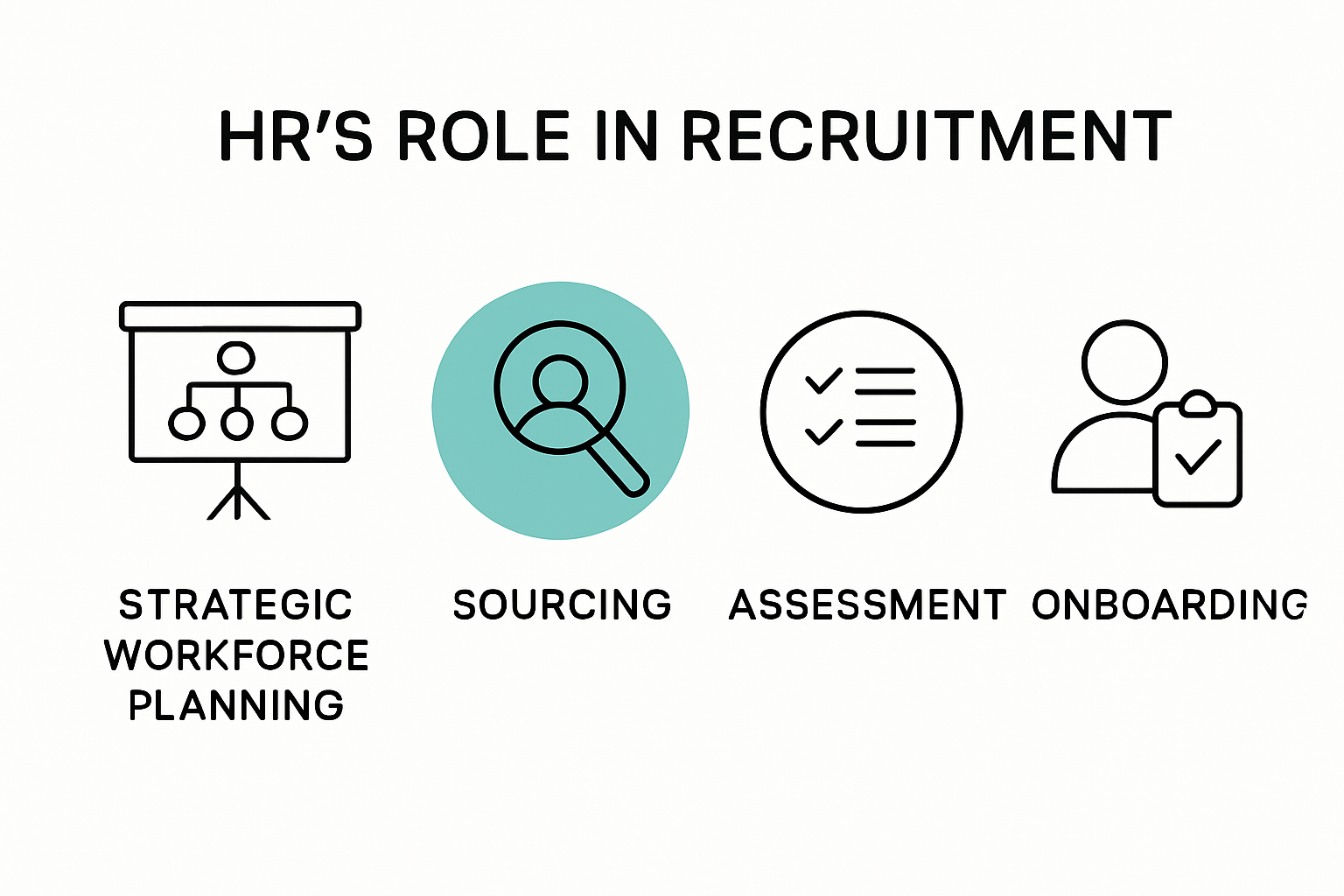
Key Functions of HR in the Recruitment Process
The role of HR in recruitment extends far beyond simply posting job advertisements and scheduling interviews. HR professionals serve as strategic architects of talent acquisition, designing comprehensive processes that align organizational needs with exceptional human capital.
Strategic Workforce Planning
Before initiating any recruitment efforts, HR professionals conduct meticulous strategic workforce planning. This critical function involves analyzing current organizational capabilities, forecasting future talent requirements, and identifying potential skill gaps. According to Simplilearn, HR develops systematic approaches to ensure the organization has the right talent at the right time.
Workforce planning requires HR to collaborate closely with department leaders, understanding their specific needs and anticipated growth trajectories. By creating detailed talent acquisition strategies, HR transforms recruitment from a reactive process to a proactive organizational strength. This approach helps companies anticipate and address potential talent shortages before they become critical problems.
Comprehensive Candidate Sourcing and Assessment
Once strategic planning is complete, HR professionals implement sophisticated candidate sourcing techniques. ATS Resume highlights that this process involves multiple sophisticated steps: crafting precise job descriptions, selecting appropriate recruitment channels, and developing robust screening mechanisms.
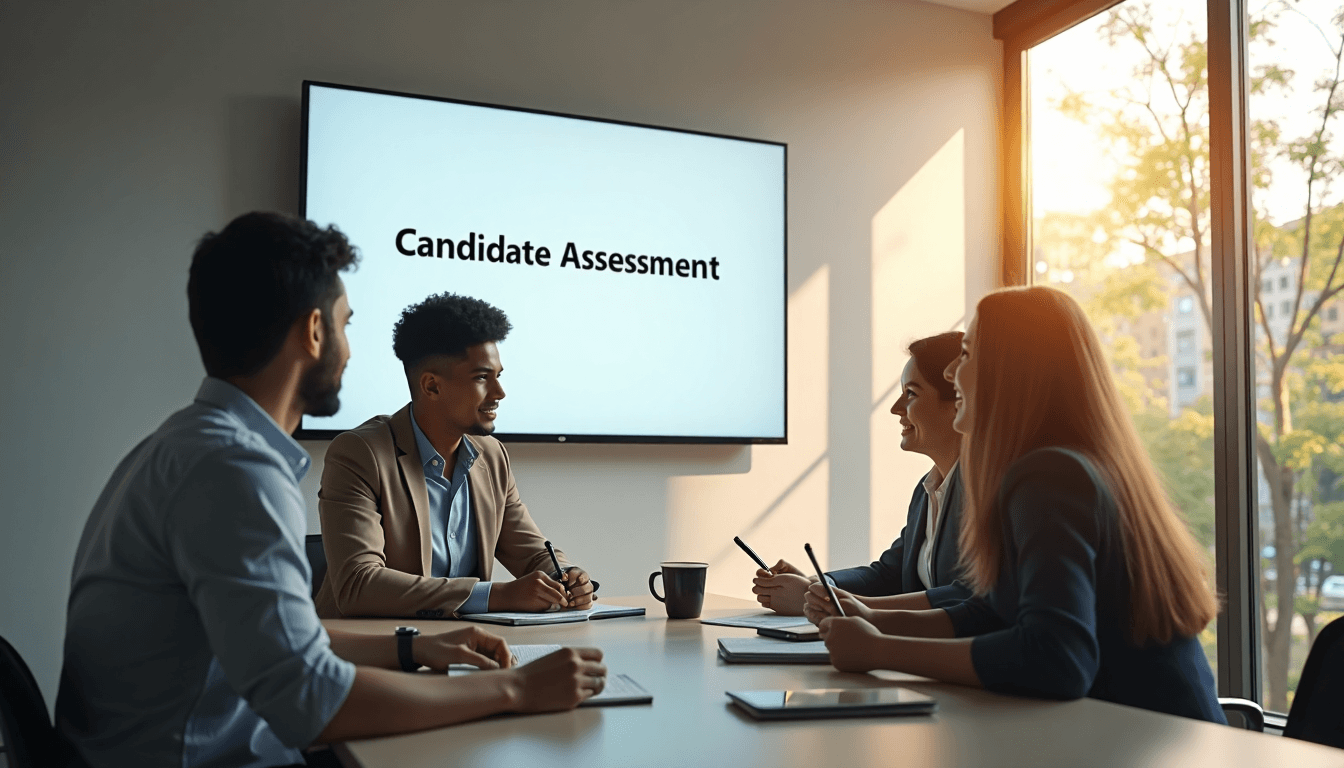
The candidate assessment phase demands rigorous evaluation methodologies. HR professionals design comprehensive assessment frameworks that go beyond traditional interviews. These may include:
- Skills Testing: Objective assessments measuring technical and soft skills
- Behavioral Evaluations: Understanding candidate compatibility with organizational culture
- Background Verification: Ensuring candidate credentials and professional history
These multifaceted approaches help organizations identify candidates who not only possess required technical skills but also align with the company’s core values and long term objectives.
Onboarding and Integration
Recruitment does not conclude with candidate selection. HR plays a pivotal role in seamlessly integrating new employees into the organizational ecosystem. Courses Sidekick emphasizes that effective onboarding is crucial for employee retention and productivity.
During this phase, HR professionals design comprehensive orientation programs, facilitate initial training, and create support structures that help new employees transition smoothly. This approach reduces initial job anxiety, accelerates productivity, and increases the likelihood of long term employee engagement.
By understanding and executing these key functions with precision, HR transforms recruitment from a transactional process into a strategic organizational capability. Explore our comprehensive guide on recruitment best practices to dive deeper into advanced talent acquisition strategies.
The future of recruitment lies not just in finding candidates, but in creating holistic talent ecosystems that drive organizational success.
To clarify the major steps and methods HR uses during recruitment, the following table summarizes the key functions and their primary activities:
| HR Function | Primary Activities |
|---|---|
| Strategic Workforce Planning | Analyzing workforce, forecasting needs, identifying skill gaps, collaborating with department leaders |
| Candidate Sourcing & Assessment | Crafting job descriptions, choosing channels, skills testing, behavioral and background assessments |
| Onboarding & Integration | Designing orientation, conducting initial training, providing support structures |
Best Practices for Effective Talent Acquisition
Talent acquisition has evolved from a transactional hiring process to a strategic organizational capability that requires sophisticated approaches and nuanced understanding of human potential. Modern HR professionals must deploy comprehensive strategies that go beyond traditional recruitment methodologies.
Developing a Robust Talent Acquisition Strategy
Successful talent acquisition begins with developing a strategic framework aligned with organizational objectives. According to British Council Corporate, creating a skills-based talent acquisition strategy involves identifying precise competencies required for organizational success. This approach demands HR professionals to conduct thorough job analysis, mapping specific skills against business goals.
A skills-based strategy requires HR to move beyond generic job descriptions and develop detailed, competency-driven recruitment frameworks. This means creating job descriptions that explicitly outline required technical and soft skills, ensuring candidates understand the exact expectations and organizational requirements.
Building a Compelling Employer Brand
Employer branding has become a critical component of effective talent acquisition. Research from AIHR indicates that organizations with strong employer brands attract higher quality candidates and reduce recruitment costs. Building a compelling employer brand involves strategically communicating organizational culture, values, and unique employee value propositions.
Effective employer branding strategies include:
- Digital Storytelling: Showcasing employee experiences through social media and company websites
- Transparent Communication: Sharing genuine insights about organizational culture and growth opportunities
- Employee Testimonials: Highlighting authentic narratives from current team members
These approaches help potential candidates understand the organization beyond traditional job descriptions, creating emotional connections that attract top talent.
Implementing Advanced Candidate Assessment Techniques
Modern talent acquisition requires sophisticated candidate assessment methodologies that go beyond traditional interviews. Corporate Insights recommend implementing structured interview processes and comprehensive evaluation techniques.
Advanced assessment techniques include:
- Skill-based practical assessments
- Behavioral competency evaluations
- Cultural fit assessments
- Data-driven candidate scoring systems
These methods provide more objective, holistic evaluations that help organizations identify candidates who not only possess required technical skills but also align with organizational culture and long-term strategic objectives.
As recruitment continues to evolve, organizations must remain adaptive. Learn more about cutting-edge recruitment strategies to stay ahead in the competitive talent acquisition landscape.
The future of talent acquisition lies in creating dynamic, flexible approaches that recognize human potential beyond traditional metrics, transforming recruitment from a transactional process into a strategic organizational advantage.
How HR Collaborates with Hiring Managers
Effective collaboration between HR professionals and hiring managers is fundamental to successful talent acquisition. This partnership requires sophisticated communication, shared strategic objectives, and a nuanced understanding of organizational needs.
Establishing Clear Communication Channels
Successful collaboration begins with establishing robust communication frameworks. According to Forbes Human Resources Council, collaborative hiring processes significantly enhance decision-making quality and reduce potential biases.
Key communication strategies include:
- Regular Strategy Meetings: Scheduling periodic discussions to align recruitment goals
- Detailed Requirement Mapping: Creating comprehensive job requirement documents
- Feedback Mechanisms: Implementing structured feedback loops for continuous improvement
These approaches ensure that hiring managers and HR professionals develop a shared understanding of talent requirements and organizational objectives.
Leveraging Technology for Enhanced Collaboration
National Institutes of Health Research highlights how artificial intelligence technologies are transforming recruitment collaboration. AI-powered tools can assist in automating administrative tasks, allowing HR and hiring managers to focus on strategic candidate evaluation.
Technological collaboration tools enable:
- Real-time candidate tracking
- Automated candidate screening
- Shared evaluation platforms
- Data-driven candidate assessment
By integrating advanced technologies, organizations can create more transparent and efficient recruitment processes that bridge communication gaps between HR and hiring managers.
Developing Shared Recruitment Strategies
Research from Taylor & Francis emphasizes that effective collaboration allows recruiters to challenge hiring managers’ preconceived notions, promoting more diverse and inclusive hiring practices.
Shared recruitment strategies involve:
- Jointly defining candidate personas
- Creating mutually agreed evaluation criteria
- Developing comprehensive onboarding plans
- Establishing long-term talent development frameworks
This collaborative approach transforms recruitment from a transactional process to a strategic organizational capability.
Explore our comprehensive guide on managing recruitment effectively to understand how sophisticated collaboration can revolutionize your talent acquisition strategy.
Successful HR and hiring manager collaboration is not about compliance, but about creating a dynamic partnership that drives organizational growth and innovation.
HR Recruitment Trends Impacting 2025 Workplaces
The recruitment landscape is undergoing unprecedented transformation, driven by technological advancements, changing workforce dynamics, and evolving organizational needs. HR professionals must navigate these complex shifts to remain competitive in talent acquisition.
Skills-Based Hiring Revolution
Traditional recruitment models are rapidly giving way to skills-based hiring approaches. Research from ArXiv reveals a dramatic shift in hiring practices, with employers increasingly prioritizing competencies over formal qualifications. A comprehensive study analyzing job vacancies found that demand for AI roles grew by 21%, while university education requirements declined by 15%.
Skills-based hiring offers significant advantages:
- Expanded Talent Pool: Removing rigid educational barriers
- Precise Skill Matching: Focusing on actual competencies
- Dynamic Workforce Development: Encouraging continuous learning
This approach allows organizations to identify talented candidates who might have been overlooked by traditional recruitment methods, creating more inclusive and adaptable workforce strategies.
AI and Technology Transformation
Artificial Intelligence is revolutionizing recruitment processes. ArXiv Research demonstrates that AI can minimize sentiment-driven biases by 41.2% in early-stage interviews, presenting a powerful tool for enhancing recruitment equity and efficiency.
Technological innovations in recruitment include:
- Automated resume screening
- Predictive candidate matching
- Advanced assessment algorithms
- Real-time skill verification platforms
However, HR professionals must remain vigilant about potential algorithmic biases and ensure human oversight in AI-driven recruitment processes.
Evolving Workforce Composition
HR Director Research highlights the expanding gig economy as a critical trend reshaping workplace dynamics. Organizations are increasingly integrating flexible workforce models, requiring HR to develop sophisticated talent management strategies.
Key considerations for managing hybrid workforces include:
- Developing fair compensation structures
- Creating inclusive engagement policies
- Designing flexible benefits packages
- Establishing robust remote collaboration frameworks
Discover comprehensive strategies for managing recruitment in 2025 to stay ahead of emerging workforce trends.
The future of recruitment demands agility, technological sophistication, and a human-centric approach that recognizes individual potential beyond traditional metrics. HR professionals who embrace these transformative trends will lead their organizations toward more dynamic, inclusive, and effective talent acquisition strategies.
To provide a clear view of the data and trends shaping HR recruitment in 2025, the following table compiles key statistics and trend impacts discussed above:
| Trend/Metric | Statistic/Change | Impact |
|---|---|---|
| Decline in Degree Requirements | -15% | Broadens talent pool by focusing on skills over credentials |
| AI Demand in Job Vacancies | +21% | Signals increased emphasis on tech-driven roles and skills |
| AI Reduces Interview Bias | -41.2% | Improves fairness by reducing sentiment-driven bias in early-stage interviews |
| Gig/Flexible Workforce Growth | Significant (no % given) | Shifts talent management to hybrid/remote and gig models |
Frequently Asked Questions
What are the key functions of HR in the recruitment process?
HR plays several critical roles in recruitment, including strategic workforce planning, comprehensive candidate sourcing and assessment, and effective onboarding and integration of new employees.
How can I improve my company’s talent acquisition strategy?
To enhance talent acquisition, develop a robust strategy by identifying required skills, building a compelling employer brand, and implementing advanced candidate assessment techniques that focus on competencies rather than just traditional qualifications.
What trends are shaping HR recruitment in 2025?
Key trends impacting HR recruitment in 2025 include the shift toward skills-based hiring, the integration of AI and technology in recruitment processes, and the evolving composition of the workforce, emphasizing gig and flexible roles.
How does HR collaborate with hiring managers during recruitment?
HR collaborates with hiring managers by establishing clear communication channels, leveraging technology for enhanced decision-making, and developing shared recruitment strategies that align organizational objectives with candidate evaluations.
Transform Your HR Recruitment With Tailored Skills Development
Struggling to keep your recruitment strategy ahead of the curve? The article highlights how HR teams must now focus on strategic workforce planning, unbiased skills-based hiring, and advanced onboarding. Yet many organizations face challenges turning these ideas into practical action that delivers real results. Whether you are worried about missing critical skills in your teams or are unsure how to build a robust onboarding process, a customized solution is within reach.

Partner with Peuneo to bring your HR recruitment strategy to life. We offer accredited training and consulting designed specifically for organizations that want to implement the latest HR trends and stay fully compliant. Visit Peuneo’s main site today or explore our suite of training and consulting solutions to start building a capable, future-ready workforce. Take action now and turn your HR department into a strategic powerhouse.
Recommended
- Key Elements of Successful Recruitment in 2025: Essential Guide – Peuneo
- Common Recruitment Mistakes to Avoid in 2025: Guide for Organizations – Peuneo
- How to Manage Recruitment Effectively in 2025 – Peuneo
- Effective Recruitment Best Practices for Hiring Success – Peuneo
- 2025: How to Optimize Your Recruitment Budget for Success – Peuneo
- Proven Strategies for Talent Management in 2025 – Peuneo