
Building training materials in 2025 is not just about making a PowerPoint and calling it done. Training teams that harness modern strategies are seeing up to 25 percent higher learner engagement when they personalize and adapt their content. Surprised? Most people still believe content is king, but the real power lies in understanding learner needs and using continuous feedback. This approach dials education up to a new level.
Table of Contents
- Understanding Learner Needs And Training Goals
- Designing Engaging And Accessible Content
- Choosing Tools And Formats For Maximum Impact
- Measuring Effectiveness And Improving Materials
Quick Summary
| Takeaway | Explanation |
|---|---|
| Conduct a Comprehensive Learner Needs Analysis | Use diverse assessment methods to identify knowledge gaps, performance challenges, and learning preferences to tailor training materials effectively. |
| Align Training Goals with Organizational Objectives | Ensure training outcomes are measurable and directly support the broader strategies of the organization by incorporating feedback and personalized learning paths. |
| Design Multimodal and Accessible Content | Create engaging content through various formats that cater to different cognitive styles and adhere to digital accessibility standards for inclusive learning. |
| Select Appropriate Tools and Formats | Choose versatile and compatible formats that facilitate easy updates and accessibility, while matching educational technologies to specific learning objectives. |
| Implement Continuous Improvement Frameworks | Regularly assess the effectiveness of training materials using advanced techniques and data-driven approaches to adapt and refine content based on learner feedback and performance metrics. |
Understanding Learner Needs and Training Goals
Creating effective training materials requires a deep understanding of learner needs and precise training goals. This foundational step determines the success of any learning intervention, transforming generic content into targeted, impactful educational experiences.
Conducting a Comprehensive Learner Needs Analysis
A strategic learner needs analysis goes beyond surface-level assessments. Explore our detailed guide on training program development to understand the nuanced approach required. According to research from Adobe elearning, this process involves systematically identifying knowledge gaps, performance challenges, and individual learning preferences.
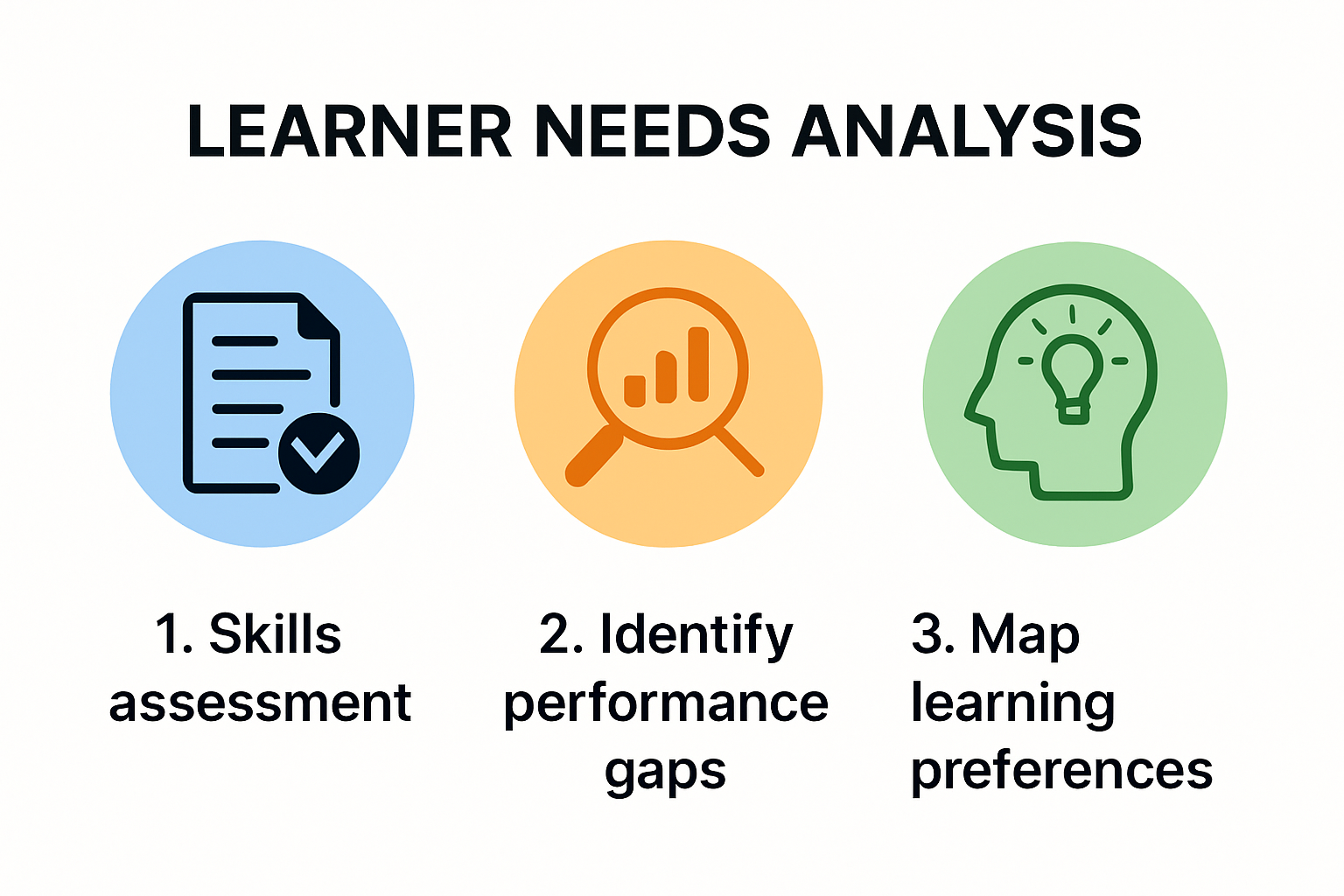
The analysis typically includes multiple assessment methods:
- Skills Assessment: Evaluate current competency levels through diagnostic tests, performance reviews, and skills inventories.
- Performance Gaps: Identify specific areas where employee performance falls short of organizational expectations.
- Learning Preference Mapping: Understand individual learning styles, technological comfort, and preferred engagement methods.
Aligning Training Goals with Organizational Objectives
Effective training materials must bridge individual learning needs with broader organizational strategies. According to research from TandFonline, integrating metacognitive strategies helps learners develop critical thinking skills while ensuring alignment with business goals.
Key considerations include:
- Defining clear, measurable learning outcomes
- Creating personalized learning paths
- Establishing mechanisms for continuous feedback and adaptation
Personalizing Learning Experiences
MyQuest corporate learning research highlights the importance of adaptive learning environments. Modern training materials must be flexible, catering to diverse learning needs through technology-enabled personalization.
Successful personalization involves:
- Role-based curriculum design
- Adaptive learning technologies
- Modular content structures that allow learners to navigate at their own pace
By meticulously understanding learner needs and aligning training goals, organizations can develop materials that are not just informative but transformative, driving both individual growth and organizational performance.
Designing Engaging and Accessible Content
Training materials in 2025 must transcend traditional text-based learning approaches. The goal is to create content that not only informs but actively engages learners across different cognitive styles and accessibility requirements.
Multimodal Content Design
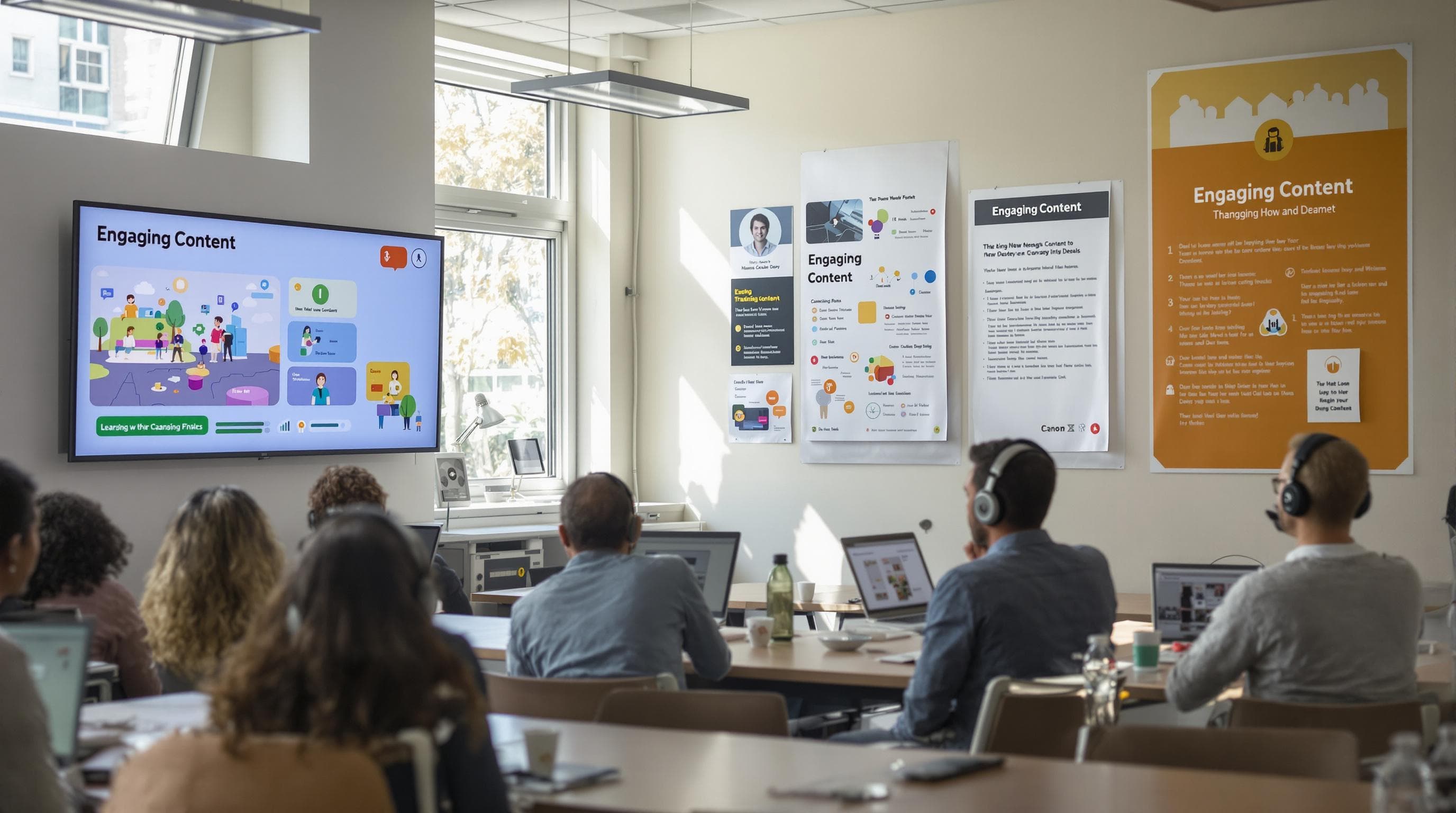
Explore our proven training strategies for comprehensive learning experiences. According to Stanford Teaching Commons, effective instructional design requires presenting information through multiple formats.
Multimodal content strategies include:
- Visual Learning: Infographics, diagrams, and animated illustrations that simplify complex concepts
- Auditory Resources: Podcasts, narrated presentations, and voice-over explanations
- Interactive Elements: Scenario-based learning, simulations, and gamified knowledge checks
To help you compare different multimodal content strategies and their typical examples, see the table below:
| Strategy | Description | Example Formats |
|---|---|---|
| Visual Learning | Use of images and graphics to explain concepts | Infographics, Diagrams |
| Auditory Resources | Audio-based delivery of information | Podcasts, Narrations |
| Interactive Elements | Learners engage through real-time activities | Simulations, Gamified Checks |
Digital Accessibility Standards
Accessibility is not optional but a fundamental requirement. Research from UMass Digital Accessibility Standards emphasizes the critical importance of creating inclusive learning environments.
Key accessibility considerations:
- Providing alternative text descriptions for visual content
- Ensuring keyboard navigation compatibility
- Creating materials compatible with screen readers
- Using high-contrast color schemes
- Designing clear, readable typography
Cognitive Load and Content Complexity
Effective training materials balance information density with learner comprehension. This means structuring content to minimize cognitive overload while maintaining educational depth.
Strategies for managing cognitive load include:
- Breaking complex topics into digestible modules
- Using progressive disclosure techniques
- Implementing clear visual hierarchies
- Providing summary and reflection points
- Incorporating microlearning principles
By prioritizing engagement and accessibility, organizations can develop training materials that reach and resonate with diverse learner populations, transforming educational content from passive information transmission to active learning experiences.
Choosing Tools and Formats for Maximum Impact
Selecting the right tools and formats for training materials determines their effectiveness, engagement, and long-term utility. In 2025, training professionals must strategically navigate an evolving landscape of technological options and learner preferences.
Selecting Versatile File Formats
Learn more about effective training approaches to understand format selection. According to research from the National Institutes of Health, utilizing interoperable formats ensures maximum accessibility and adaptability.
Critical considerations for format selection include:
- Compatibility: Choose formats that work across multiple devices and platforms
- Editability: Prioritize formats that allow easy updates and modifications
- File Size: Optimize for quick loading and minimal storage requirements
Recommended formats include:
- Open XML Presentation (PPTX)
- Portable Document Format (PDF)
- HTML5 interactive modules
- SCORM-compliant learning packages
Below is a summary table comparing commonly recommended training material formats by their key features:
| Format | Compatibility | Editability | Typical Use |
|---|---|---|---|
| PPTX | Multi-platform (Windows/Mac) | High | Presentations, editable slides |
| All devices/browsers | Low | Static documents, handouts | |
| HTML5 Module | Web/mobile platforms | Medium | Interactive e-learning modules |
| SCORM Package | LMS compliant platforms | Medium | Trackable e-learning content |
Leveraging Multimodal Learning Technologies
Documind research highlights the importance of incorporating diverse learning modalities. Modern training tools must support multiple engagement styles to accommodate different cognitive preferences.
Key technological tools for comprehensive learning include:
- Learning Management Systems (LMS)
- Virtual reality training simulations
- Interactive video platforms
- Adaptive learning algorithms
- Microlearning mobile applications
Aligning Tools with Learning Objectives
School Visitors educational research emphasizes the critical need to match tools directly with specific learning outcomes. This strategic alignment ensures that technology serves educational goals rather than becoming a distraction.
Strategies for objective-driven tool selection:
- Conduct thorough needs assessments
- Map tools to specific skill development targets
- Implement pilot testing and feedback mechanisms
- Continuously evaluate tool effectiveness
- Remain flexible and open to emerging technologies
By thoughtfully selecting tools and formats that prioritize learner experience, accessibility, and educational objectives, organizations can create training materials that are not just informative but truly transformative. The goal is to move beyond mere information transmission to creating engaging, interactive learning experiences that drive meaningful skill development and organizational growth.
Measuring Effectiveness and Improving Materials
Measuring the effectiveness of training materials is crucial for continuous improvement and ensuring that learning interventions deliver tangible results. In 2025, organizations must adopt sophisticated, data-driven approaches to evaluate and enhance their training content.
Learning Analytics and Performance Metrics
Explore our comprehensive guide to training assessment to understand advanced evaluation techniques. According to research from MDPI, learning analytics provide multiple dimensions for assessing training effectiveness.
Key performance measurement strategies include:
- Sentiment Analysis: Capturing learner emotional responses and satisfaction levels
- Engagement Metrics: Tracking interaction time, completion rates, and knowledge retention
- Skill Progression Tracking: Measuring pre and post-training competency levels
- Behavioral Change Assessment: Evaluating real-world application of learned skills
Advanced Evaluation Technologies
Springer research on AI-based learning tools reveals complex insights into learning technology effectiveness. Modern evaluation approaches integrate multiple technological solutions to provide comprehensive insights.
Emerging evaluation technologies include:
- Artificial Intelligence assessment tools
- Predictive performance modeling
- Adaptive testing platforms
- Real-time skill gap identification systems
- Comprehensive learning experience tracking
Continuous Improvement Frameworks
ArXiv research highlights the importance of critically examining training material effectiveness beyond surface-level metrics. Successful organizations implement structured frameworks for ongoing material refinement.
Continuous improvement strategies encompass:
- Regular content audits
- Learner feedback integration
- Data-driven content modifications
- Periodic curriculum realignment
- Emerging technology incorporation
By implementing rigorous measurement approaches, organizations can transform training materials from static resources into dynamic, responsive learning experiences. The goal is not just to measure effectiveness but to create a perpetual improvement cycle that adapts to changing organizational needs and learner expectations.
Frequently Asked Questions
What is a learner needs analysis and why is it important for training materials?
A learner needs analysis is a systematic process to identify knowledge gaps, performance challenges, and individual learning preferences. It is essential for creating training materials that are tailored and effective, ensuring that the content addresses the specific needs of learners.
How can I ensure my training materials are accessible to all learners?
To ensure accessibility, training materials should follow digital accessibility standards, such as providing alternative text for images, ensuring compatibility with screen readers, and using clear, high-contrast visuals. This makes content usable for learners with diverse needs.
What role do engagement metrics play in measuring training effectiveness?
Engagement metrics help assess how learners interact with training materials, including interaction time, completion rates, and knowledge retention. These metrics provide insights into the effectiveness of the training and highlight areas for improvement.
How can I align my training goals with organizational objectives?
Align training goals with organizational objectives by defining clear, measurable learning outcomes that support broader business strategies. Incorporate feedback mechanisms to adapt and personalize learning pathways based on organizational needs.
Ready to Transform Your Training Materials in 2025?
If you found yourself struggling with outdated processes or uninspiring training content, you are not alone. This article highlighted the growing challenge of building training materials that truly engage learners, comply with new standards, and keep up with rapidly changing technology. Many professionals today seek ways to bridge their learner needs with organizational goals while making every course accessible and impactful.

Peuneo specializes in solving these exact challenges. Through our accredited online courses and business training solutions and strategic consulting, we help you create training programs that unlock higher engagement and measurable results. Visit our main site to see how our personalized offerings can support your next step in skills development. Want more insights related to training? Explore our resource archive for articles and tools designed to help you reach your goals. Upgrade your approach now—your organization and learners deserve the most effective training materials in the industry.
Recommended
- How to Conduct Effective Training: 2025 Actionable Tips – Peuneo
- Top Effective Training Methods 2025: Boost Your Team – Peuneo
- 2025 Essential Insights: The Importance of Training Programs – Peuneo
- How to Create a Training Culture That Drives Results in 2025 – Peuneo
- Best Practices for Employee Training: Proven Strategies for Success – Peuneo
- How to Develop Training Programs: 7 Straightforward Steps – Peuneo