

Everyone talks about technical expertise as the ticket to a great career, especially with technology shifting so fast. But guess what. LinkedIn found that 92 percent of professionals say soft skills actually matter as much or more than hard skills. That means being able to communicate, adapt, and solve problems is becoming your real edge—and it is these abilities that will set you apart in 2025.
Table of Contents
- Defining What Are Soft Skills Today
- Key Soft Skills Most In Demand In 2025
- Why Soft Skills Matter For All Professionals
- How To Strengthen Soft Skills In Your Workforce
Quick Summary
| Takeaway | Explanation |
|---|---|
| Soft skills are essential for success | Soft skills are critical in modern workplaces, surpassing technical skills in importance for career advancement and organizational effectiveness. |
| Key soft skills for 2025 include communication | Skills like effective communication and collaborative intelligence will be crucial for navigating complex professional environments and building successful teams. |
| Adaptability and emotional resilience are vital | Professionals must exhibit flexibility and the ability to remain positive under pressure to thrive in rapidly changing work settings. |
| Continuous soft skill development is necessary | Organizations should implement ongoing training and embed soft skills into their culture for sustained employee growth and performance. |
| Soft skills impact personal and organizational success | Strong interpersonal abilities lead to better workplace dynamics, improved job satisfaction, and overall organizational success. |
Defining What Are Soft Skills Today
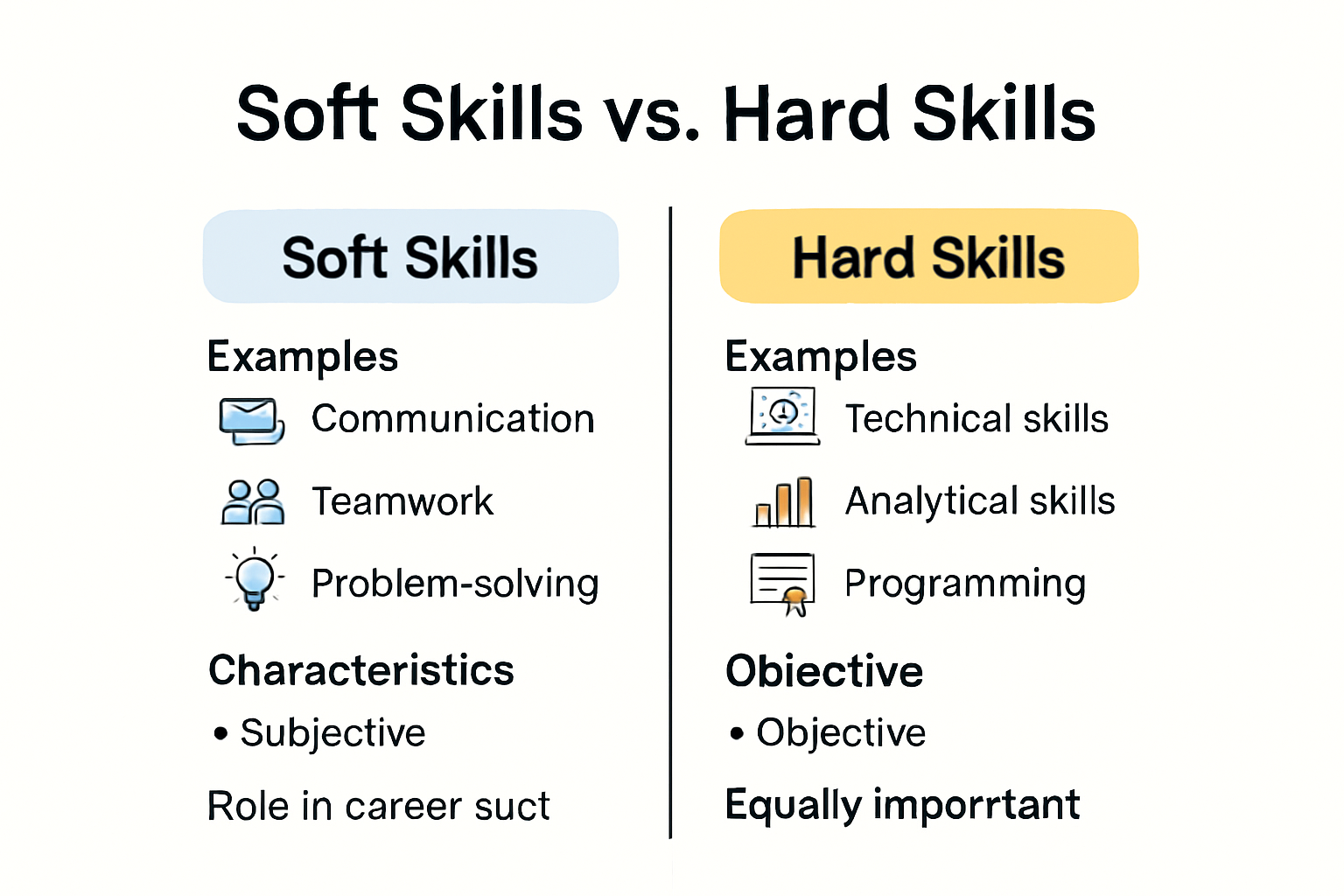
Soft skills represent the critical personal attributes that enable individuals to interact effectively with others and navigate complex professional environments. Unlike hard skills which are technical and measurable, soft skills are nuanced interpersonal capabilities that determine how well someone communicates, collaborates, and adapts in workplace settings.
The Core Characteristics of Soft Skills
At their essence, soft skills encompass a complex network of personal capabilities that go beyond technical knowledge. According to the National Center for Education Statistics, soft skills are noncognitive abilities that include social skills, communication proficiency, self-management techniques, and collaborative potential. These skills are not about what you know, but how you apply what you know in dynamic human interactions.
The most critical soft skills include emotional intelligence, communication, adaptability, problem solving, critical thinking, and interpersonal relationship management. Professionals who excel in these areas can navigate workplace challenges more effectively, build stronger team relationships, and create more productive work environments.
Why Soft Skills Matter in Modern Workplaces
In an era of rapid technological transformation, soft skills have become increasingly valuable. Automation and artificial intelligence can handle technical tasks, but human-centered skills remain irreplaceable. Organizations now prioritize candidates who demonstrate strong interpersonal abilities alongside technical competence.
Modern employers recognize that technical expertise alone is insufficient. They seek professionals who can communicate complex ideas clearly, work collaboratively in diverse teams, manage conflicts constructively, and adapt quickly to changing organizational landscapes. Soft skills have become the differentiating factor between good and exceptional performers across industries.
The demand for robust soft skills continues to grow. Professionals who invest in developing these capabilities position themselves as versatile, resilient, and highly marketable in an increasingly competitive global workforce. Understanding and cultivating soft skills is no longer optional but a strategic imperative for career success and organizational effectiveness.
Key Soft Skills Most in Demand in 2025
The professional landscape of 2025 demands a sophisticated blend of interpersonal and adaptive capabilities that go far beyond traditional technical expertise. As workplaces become increasingly complex and globally interconnected, certain soft skills have emerged as critical differentiators for career success and organizational effectiveness.
Communication and Collaborative Intelligence
According to the National Association of Colleges and Employers, communication remains a foundational career readiness competency. In 2025, effective communication transcends simple information exchange. Professionals must demonstrate nuanced communication abilities that include active listening, clear articulation of complex ideas, cross-cultural communication, and the capacity to translate technical information for diverse audiences.
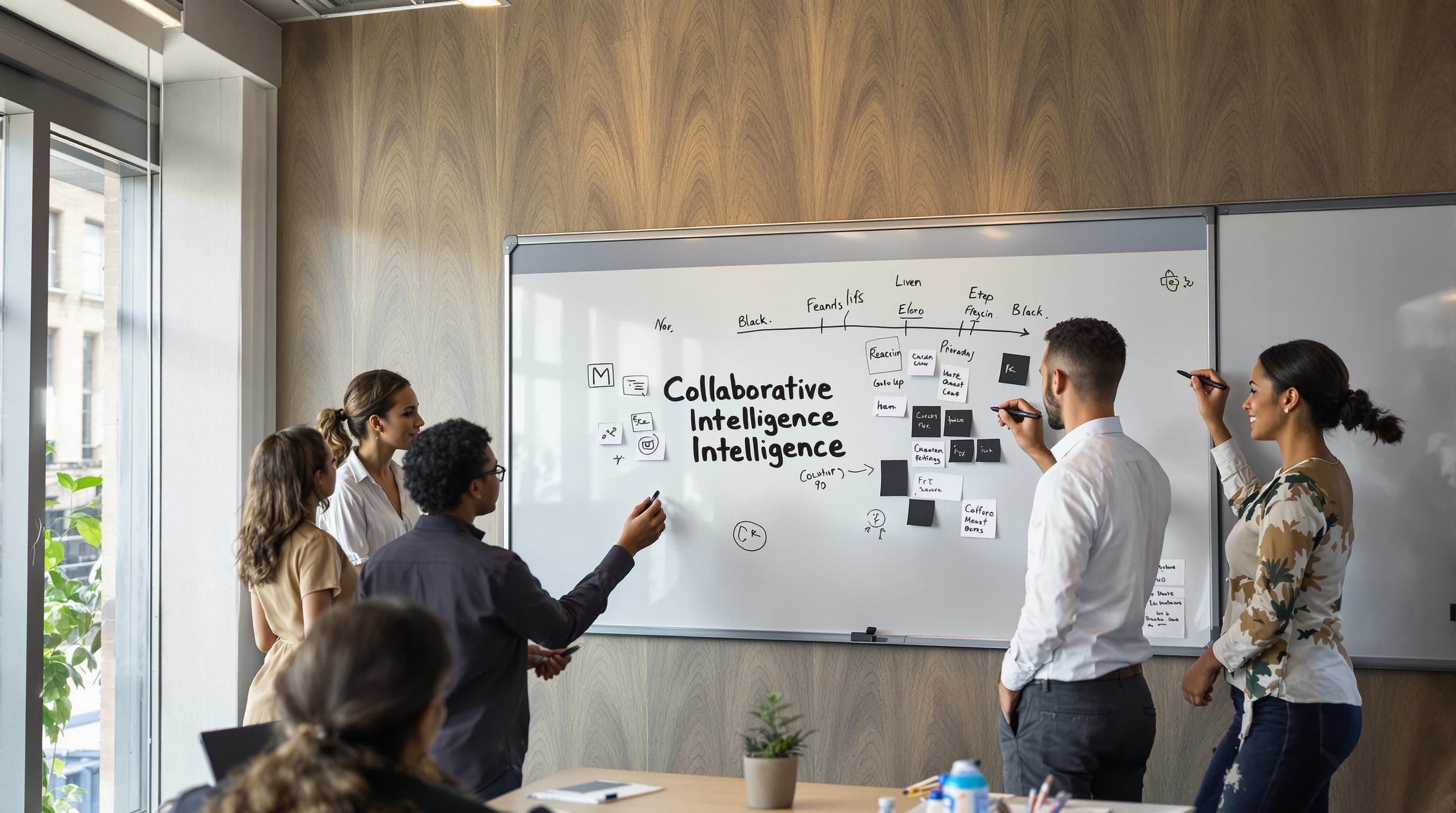
Collaborative intelligence has become equally paramount. This skill involves not just working together, but creating synergistic environments where diverse perspectives contribute to innovative solutions. Professionals who can build trust, mediate conflicts, and create inclusive team dynamics will be highly sought after. The ability to collaborate seamlessly across physical and digital platforms, understanding both human dynamics and technological interfaces, represents a critical workplace skill.
Adaptability and Emotional Resilience
The rapid pace of technological and organizational change demands unprecedented levels of adaptability. Professionals in 2025 must demonstrate remarkable flexibility, quickly learning new skills, embracing unexpected challenges, and pivoting strategies with minimal disruption. This goes beyond mere technical reskilling and encompasses a holistic approach to personal and professional growth.
Emotional resilience has become a key differentiator in high-pressure work environments. Professionals who can maintain composure, manage stress effectively, and maintain productivity during uncertainty will be invaluable. This skill involves self-awareness, emotional regulation, and the ability to transform challenges into opportunities for personal and organizational development.
Strategic Problem Solving and Critical Thinking
In an era of complex global challenges, strategic problem solving has evolved from a desirable skill to an absolute necessity. Employers seek professionals who can analyze multifaceted situations, synthesize information from diverse sources, and develop innovative solutions. This requires a combination of analytical thinking, creativity, and the ability to see connections that are not immediately apparent.
Critical thinking in 2025 means going beyond traditional analytical approaches. It involves questioning assumptions, challenging existing paradigms, and developing nuanced perspectives that can drive meaningful change. Professionals who can demonstrate this skill will be positioned as strategic assets rather than mere task executors.
The most successful professionals in 2025 will be those who view soft skills not as optional extras, but as fundamental capabilities that drive personal and organizational success. By continuously developing these skills, individuals can create meaningful impact, navigate complex professional landscapes, and remain competitive in an increasingly dynamic global workforce.
Here is a summary table organizing the most in-demand soft skills for 2025, including what each one entails and its professional impact:
| Soft Skill | Description | Professional Impact |
|---|---|---|
| Communication | Conveying ideas clearly; active listening; cross-cultural exchange | Builds strong teams, enhances understanding, enables collaboration |
| Collaborative Intelligence | Working effectively in diverse teams; managing conflicts | Fosters innovation, creates inclusive dynamic, ensures synergy |
| Adaptability | Flexibility in learning and adjusting to change | Ensures resilience, maintains productivity amidst disruption |
| Emotional Resilience | Managing stress and emotions during pressure | Supports well-being, boosts performance in uncertainty |
| Problem Solving | Analyzing situations; creating solutions | Addresses complex challenges, drives organizational growth |
| Critical Thinking | Evaluating information; questioning assumptions | Fuels innovation, finds new perspectives, informs strategic choices |
Why Soft Skills Matter for All Professionals
According to the U.S. Department of Labor, employers increasingly prioritize soft skills over technical capabilities, recognizing them as essential for workplace success across all professional domains. Soft skills have transformed from optional attributes to critical competencies that determine individual and organizational performance.
Career Advancement and Professional Differentiation
In today’s competitive job market, technical expertise alone is no longer sufficient. Research from LinkedIn reveals that 92% of professionals believe soft skills are as important, if not more crucial, than technical skills. Professionals who demonstrate strong interpersonal abilities distinguish themselves by showcasing adaptability, emotional intelligence, and sophisticated communication skills.
These skills enable individuals to navigate complex workplace dynamics, build meaningful professional relationships, and create opportunities for career progression. Leaders and hiring managers consistently seek candidates who can not only perform tasks but also collaborate effectively, solve problems creatively, and contribute positively to organizational culture.
Cross-Industry Impact and Universal Relevance
Soft skills transcend industry boundaries, proving valuable in healthcare, technology, finance, education, and every professional sector. Research published in the National Center for Biotechnology Information demonstrates how healthcare leaders rely on soft skills like communication and conflict resolution to enhance team performance. Similar principles apply across diverse professional environments.
Whether you are an engineer designing complex systems, a sales professional building client relationships, or a teacher guiding students, soft skills determine your effectiveness. They enable professionals to communicate complex ideas, manage interpersonal challenges, and adapt to rapidly changing workplace environments. The ability to listen actively, empathize, and collaborate becomes as important as technical proficiency.
Personal and Organizational Success
Beyond individual career trajectories, soft skills significantly impact organizational success. Professionals with robust interpersonal capabilities contribute to creating positive workplace cultures, reducing conflicts, and driving innovative solutions. They facilitate smoother team interactions, improve communication efficiency, and help organizations respond more effectively to challenges.
Moreover, soft skills contribute to personal well-being and professional satisfaction. Individuals who can manage stress, communicate boundaries, and maintain emotional resilience are more likely to experience job satisfaction and long-term career sustainability. These skills protect against burnout and enable professionals to maintain healthy, productive work relationships.
In an era of technological advancement and global interconnectedness, soft skills have become the fundamental differentiator between good and exceptional professionals. By continuously developing these abilities, individuals can create meaningful impact, navigate complex professional landscapes, and remain competitive in an increasingly dynamic global workforce.
How to Strengthen Soft Skills in Your Workforce
Strengthening soft skills within an organization requires a strategic, multifaceted approach that goes beyond traditional training methods. Employers must create comprehensive development programs that systematically identify, nurture, and enhance these critical interpersonal capabilities across all organizational levels.
The following table summarizes recommended organizational approaches for strengthening soft skills, based on methods described in the article and their key focus areas:
| Approach | Key Focus | Examples from Article |
|---|---|---|
| Targeted Training & Assessment | Skill gap analysis, personalized development plans, coaching/mentorship | Assessments, tailored training, feedback |
| Experiential Learning | Practice through real situations, reflective exercises, cross-team work | Role-playing, simulations, team projects |
| Embedding in Culture | Leadership modeling, feedback systems, integrated into performance review | Mentoring, open channels, leadership behavior |
Targeted Training and Assessment Strategies
According to the National Network of Business and Industry Associations, effective soft skills development begins with comprehensive assessment and personalized training interventions. Organizations must first conduct thorough skill gap analyses to understand the specific soft skills needed within their unique workplace context.
Personalized development plans are crucial. This means moving beyond generic workshops to create tailored learning experiences that address individual and team-specific soft skill requirements. Managers should work closely with employees to identify their strengths and areas for improvement, developing targeted coaching and mentorship programs that provide ongoing support and feedback.
Experiential Learning and Practical Skill Development
Research published in Frontiers in Psychology highlights the effectiveness of experiential learning techniques in developing soft skills. Role-playing, simulation exercises, and reflective practice sessions offer powerful mechanisms for skill enhancement. These methods allow employees to practice communication, problem-solving, and emotional intelligence in controlled yet realistic environments.
Workplace learning should incorporate real-world scenarios that challenge employees to apply soft skills in practical contexts. This might include cross-functional team projects, collaborative problem-solving exercises, and structured opportunities for leadership and communication practice. By creating environments that reward and recognize soft skill development, organizations can motivate employees to continuously improve their interpersonal capabilities.
Embedding Soft Skills into Organizational Culture
True soft skills development requires more than formal training programs. Organizations must fundamentally reshape their cultural approach to value and prioritize these skills. This means integrating soft skills assessments into performance evaluations, leadership development programs, and recruitment processes.
Leadership plays a critical role in this transformation. Executives and managers must model the soft skills they wish to see in their workforce. This includes demonstrating active listening, emotional intelligence, effective communication, and collaborative problem-solving. When leadership consistently exhibits these skills, it creates a cascading effect throughout the organization.
Creating mentorship programs, establishing cross-departmental communication channels, and developing feedback mechanisms can further support soft skills growth. Organizations should also invest in technologies and platforms that facilitate skill sharing, collaborative learning, and continuous professional development.
The most successful organizations recognize that soft skills development is an ongoing journey, not a destination. By creating a holistic, supportive environment that values continuous learning and personal growth, companies can build a workforce that is not just technically proficient, but also emotionally intelligent, adaptable, and truly collaborative.
Frequently Asked Questions
What are soft skills?
Soft skills are personal attributes that enable effective interpersonal communication and collaboration in workplace settings. They include skills like emotional intelligence, communication, adaptability, problem-solving, and critical thinking.
Why are soft skills important for career success in 2025?
In 2025, soft skills are crucial because they help professionals navigate complex work environments, build strong relationships, and adapt to rapid changes, making them more competitive in the job market.
What are the key soft skills needed in the workplace?
Key soft skills in demand include communication, collaborative intelligence, adaptability, emotional resilience, strategic problem-solving, and critical thinking. These skills facilitate better teamwork and enhance individual performance.
How can individuals develop their soft skills?
Individuals can develop soft skills through targeted training, experiential learning, mentorship programs, and by actively seeking feedback. Engaging in real-world situations and reflective practices also enhances interpersonal abilities.
Strengthen Your Soft Skills with Peuneo’s Accredited Training
Are you facing the challenge of preparing yourself or your workforce for the demands of 2025? The article highlights how modern careers depend on strong soft skills including communication, adaptability, and collaborative problem solving. Many professionals worry about falling behind as emotional intelligence and critical thinking become requirements instead of extras. That is where real change begins.

Go beyond theory and start building the soft skills that matter most. Peuneo offers accredited training and consulting designed to develop these exact capabilities. Join our online learning portal to enroll in practical courses focused on communication, adaptability, and teamwork. If you need tailored solutions for your team or organization, explore our professional consulting services that ensure both compliance and real workplace impact. Cultivate the human edge that drives success. Visit Peuneo’s main site and secure your place at the front of the skills revolution today.