


The job market is undergoing a seismic shift, and the skills required for success in 2025 are evolving faster than ever. By 2025, nearly one-third of all jobs will be fundamentally transformed by technology. But here’s the kicker: hard skills alone won’t cut it anymore. As technology advances, it’s the soft skills that will set you apart. Mastering interpersonal skills like communication and empathy not only enhances professional interactions but also significantly boosts your career advancement potential. Curious about which skills to focus on to thrive in this changing landscape? Let’s dive in.
Table of Contents
- Develop Hard Skills For Job Growth
- Master Soft Skills For Success
- Grow Your Professional Network
- Prepare For Future Job Roles
Quick Summary
| Takeaway | Explanation |
|---|---|
| Develop Hard Skills | Acquiring technology-driven hard skills like programming, data analytics, and cybersecurity is essential for navigating the evolving job market and enhancing career prospects. |
| Master Soft Skills | Soft skills such as communication, emotional intelligence, and adaptability are increasingly important for excelling in professional environments and complementing technical abilities. |
| Grow Your Professional Network | Actively cultivating a professional network through strategic relationships and authentic interactions can lead to job opportunities, mentorship, and valuable industry insights. |
| Prepare for Future Job Roles | Embrace a forward-thinking approach that includes developing analytical thinking, AI collaboration, and green technology skills to stay adaptable and relevant in the changing job landscape. |
Develop Hard Skills for Job Growth
In today’s rapidly evolving job market, developing hard skills is no longer optional—it’s a critical strategy for career advancement and professional survival. Hard skills represent the specific, measurable abilities that directly enable you to perform technical tasks and contribute meaningful value to your organization.
The Technology-Driven Skills Revolution
The job landscape is undergoing a dramatic transformation, driven by technological innovation. According to the World Economic Forum, nearly one-third of global jobs are likely to be fundamentally reshaped by technological advancement within a decade. This massive shift demands professionals develop cutting-edge technological hard skills that employers desperately seek.
Key technology-driven hard skills that can dramatically enhance your career prospects include:
- Programming Languages: Python, JavaScript, and SQL
- Data Analytics: Proficiency with Excel, Tableau, and Power BI
- Cybersecurity: Network protection and threat mitigation techniques
- Cloud Computing: Management skills for platforms like AWS and Azure
Strategic Skill Development Approaches
Effective skill development requires a deliberate, structured approach. Professionals should focus on acquiring skills that not only align with current industry trends but also demonstrate potential for long-term relevance. Research from LinkedIn consistently highlights that technical proficiencies in emerging technologies create significant competitive advantages.
To maximize your skill development strategy, consider these practical recommendations:
- Identify industry-specific technological requirements
- Leverage online learning platforms like Coursera and edX
- Obtain professional certifications that validate your expertise
- Practice consistent skill application through personal or professional projects
Measuring And Demonstrating Skill Mastery
Developing hard skills isn’t just about learning—it’s about proving your capabilities. Modern employers seek tangible evidence of technological proficiency. Building a robust portfolio showcasing real-world projects, contributing to open-source platforms, and maintaining an updated professional profile can significantly enhance your marketability.
The most successful professionals view skill development as an ongoing journey, not a destination. By staying curious, remaining adaptable, and continuously investing in your technological capabilities, you’ll position yourself as an invaluable asset in an increasingly competitive professional landscape.
Remember, hard skills are your professional currency. The more diverse and relevant your skill set, the more opportunities you’ll unlock in your career advancement journey.
Master Soft Skills for Success
In an increasingly complex professional landscape, soft skills have emerged as the critical differentiator between good and exceptional performers. Unlike hard skills that can be learned through technical training, soft skills represent the interpersonal attributes that enable professionals to navigate complex workplace dynamics, collaborate effectively, and drive meaningful organizational success.
The Strategic Importance Of Soft Skills
The World Economic Forum highlights a dramatic shift in workplace capabilities, revealing that soft skills like leadership, social influence, resilience, and creative thinking are experiencing significant increases in importance. These skills are becoming increasingly valuable as technological advancements transform traditional job roles.
Key soft skills that employers consistently prioritize include:
- Communication: Clear, concise, and empathetic interaction
- Emotional Intelligence: Understanding and managing personal and team emotions
- Adaptability: Flexibility in changing work environments
- Critical Thinking: Analyzing complex situations and developing innovative solutions
Developing And Demonstrating Soft Skills
McKinsey research reveals that 87% of companies worldwide are experiencing or anticipating skill gaps, with soft skills becoming paramount in professional development. Professionals can enhance these skills through deliberate practice, self-reflection, and continuous learning.
Effective strategies for soft skills development include:
- Seek feedback from colleagues and managers
- Participate in cross-functional team projects
- Engage in active listening workshops
- Practice presenting ideas in diverse professional settings
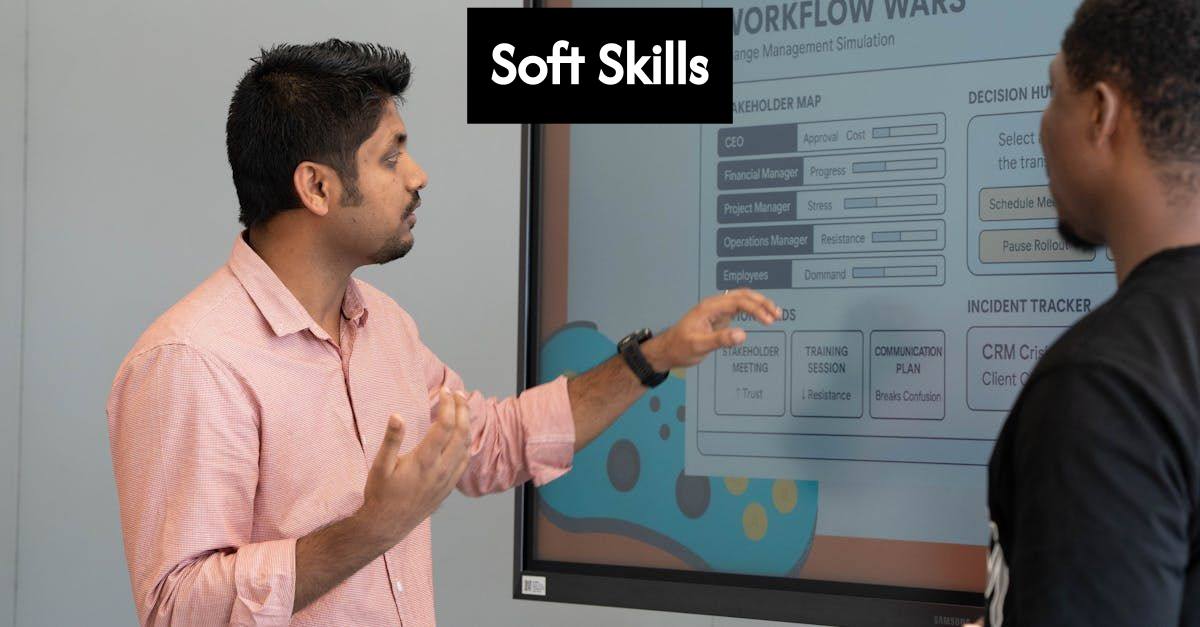
Soft Skills in the Age of Automation
As technological transformation continues to reshape nearly one-third of global jobs, soft skills become even more critical. Automation can replicate technical tasks, but cannot easily replace human capabilities like complex problem-solving, creative thinking, and nuanced communication.
Professionals who invest in developing robust soft skills create a significant competitive advantage. These skills enable individuals to adapt quickly, lead effectively, and bring unique human insights to increasingly technology-driven workplaces.
Remember, soft skills are not just supplementary—they are fundamental to professional success. By cultivating these interpersonal capabilities, you transform from a skilled worker into an indispensable organizational asset.
Grow Your Professional Network
Professional networking is no longer a passive activity but a strategic imperative for career advancement. In today’s interconnected global marketplace, your network represents more than just contacts—it’s a dynamic ecosystem of opportunities, knowledge, and potential collaborations that can dramatically accelerate your professional trajectory.
The Strategic Power Of Professional Connections
Research from LinkedIn indicates that over 85% of jobs are filled through professional networks, highlighting the critical role connections play in career development. Networking isn’t about collecting business cards or superficial interactions; it’s about building meaningful, mutually beneficial relationships that create genuine professional value.
Key benefits of strategic networking include:
- Access to Hidden Opportunities: Jobs and projects often emerge through professional connections before public advertisement
- Knowledge Expansion: Direct insights from industry professionals
- Career Mentorship: Potential guidance from experienced professionals
- Collaborative Potential: Cross-industry project opportunities
Effective Networking Strategies In The Digital Age
Modern networking transcends traditional in-person interactions. Deel’s professional networking research reveals that successful professionals leverage both digital and physical networking platforms to create robust, diverse professional connections.
Comprehensive networking strategies include:
- Optimize your LinkedIn profile with clear, professional branding
- Participate actively in industry-specific online forums and discussions
- Attend virtual and in-person professional conferences
- Engage consistently with professional content and thought leaders
- Offer genuine value before seeking personal gains
Building Sustainable Professional Relationships
Successful networking is fundamentally about authenticity and reciprocity. Career development experts emphasize that meaningful connections are built on mutual respect, continuous learning, and a genuine interest in others’ professional journeys.
Effective relationship-building techniques include:
- Practice active listening during professional interactions
- Follow up with personalized, thoughtful communications
- Share relevant resources and insights
- Demonstrate consistent professional integrity
- Be willing to help others without immediate expectation of return
Remember, your professional network is a living, dynamic resource. Treat each connection as a potential catalyst for growth, learning, and unexpected opportunities. In an era of rapid technological and professional transformation, your network becomes your most valuable career asset—cultivate it with intention, authenticity, and strategic insight.
Prepare for Future Job Roles
The professional landscape is undergoing unprecedented transformation, demanding proactive strategies for career resilience and adaptability. Preparing for future job roles requires a forward-thinking approach that anticipates technological shifts, emerging industry trends, and the evolving nature of work itself.
Emerging Skills Landscape
According to the World Economic Forum, over one-third of global jobs are likely to be fundamentally transformed by technological advancements within the next decade. This seismic shift demands professionals develop a dynamic skill set that transcends traditional job boundaries.
Critical emerging skills for future job roles include:
- Analytical Thinking: Advanced problem-solving capabilities
- AI Collaboration: Understanding and working alongside artificial intelligence
- Adaptability: Rapid learning and skill transformation
- Green Technology Skills: Sustainability-focused professional competencies
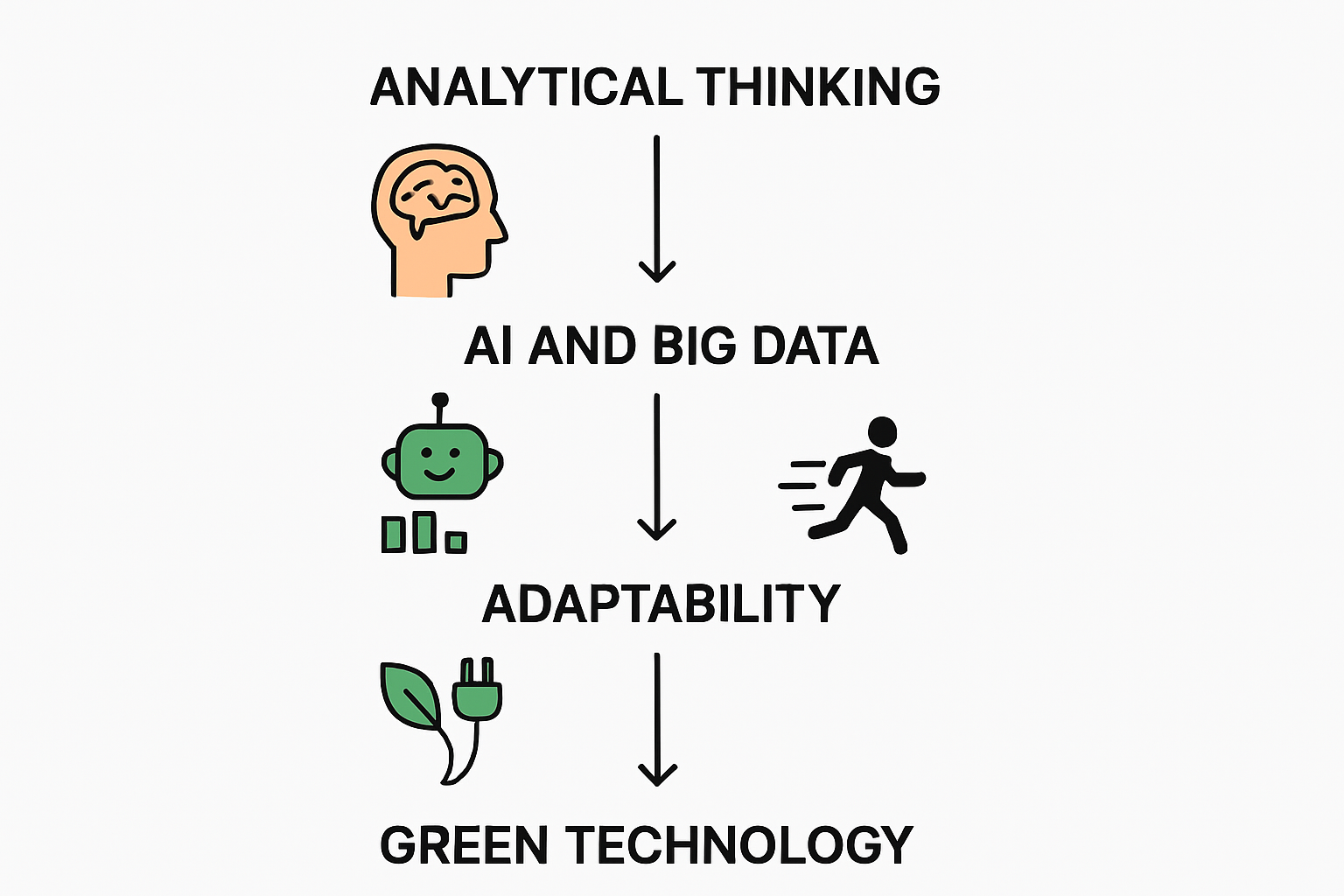
Technology-Driven Career Navigation
Research from Toggl highlights several cutting-edge skills that will define professional success in 2025. Emerging roles are increasingly focusing on specialized capabilities that blend technological proficiency with human creativity. Professionals must develop skills that complement, rather than compete with, technological advancements.
Strategic skill development approaches include:
- Invest in continuous learning platforms
- Pursue cross-disciplinary knowledge
- Develop AI and automation literacy
- Build expertise in emerging technological domains
- Cultivate adaptability and learning agility
Future-Proofing Your Professional Identity
City University research emphasizes that future job roles will require a holistic approach to professional development. Technical skills like AI, data analytics, and software development must be complemented by strong leadership, emotional intelligence, and innovative thinking.
Key strategies for future-proofing your career include:
- Embrace lifelong learning as a core professional philosophy
- Develop skills that cannot be easily automated
- Stay informed about industry technological trends
- Build a flexible, adaptable professional profile
- Cultivate creativity and complex problem-solving abilities
The future of work is not about predicting exact job roles, but about developing a robust, adaptable skill set that allows you to navigate uncertain professional landscapes. By staying curious, remaining flexible, and continuously investing in your professional growth, you’ll position yourself as a valuable asset in an ever-evolving job market.
Remember, the most successful professionals are not those who perfectly predict the future, but those who remain agile, learn continuously, and transform challenges into opportunities for growth and innovation.
Frequently Asked Questions
What are the most important hard skills for career advancement in 2025?
Key hard skills for 2025 include programming languages like Python and JavaScript, data analytics proficiency with tools such as Excel and Tableau, cybersecurity knowledge, and cloud computing management using platforms like AWS and Azure.
How can I develop my soft skills for professional success?
To develop soft skills, actively seek feedback from colleagues, participate in team projects, engage in active listening workshops, and practice presenting ideas in diverse settings. Continuous learning and self-reflection are also crucial.
Why are soft skills becoming more important in today’s job market?
Soft skills are increasingly valued as they enable effective communication, emotional intelligence, adaptability, and critical thinking—attributes that are essential in navigating complex workplace dynamics and complementing technical capabilities.
What strategies can I use to build a professional network?
Build your professional network by optimizing your LinkedIn profile, participating in industry-specific online forums, attending professional conferences, engaging with thought leaders, and offering value to others without expecting immediate returns.
Transform Your Career with Peuneo!
As highlighted in our recent article, mastering the essential skills for career advancement in 2025—such as analytical thinking, emotional intelligence, and programming—is crucial to not only thrive in today’s job market but also to future-proof your professional identity. However, achieving these competencies can feel overwhelming without the right support and resources. At Peuneo, we understand these challenges and are here to help you overcome them.

We offer a comprehensive suite of accredited training programs, strategic consulting services, and a dynamic online learning portal that empowers you to develop those in-demand skills you need today. Whether you seek to elevate your career with specialized courses or guide your organization in compliance with industry standards, we have tailored solutions for every professional path. Don’t wait for the future to arrive—start building your skill set NOW! Visit https://peuneo.co.za to explore our offerings and take the first step toward unlocking your full potential.