Skills audits are quickly becoming a make-or-break strategy for both organizations and professionals. The surprising part is how fast the ground is shifting. Eighty-seven percent of organizations already face or anticipate serious skills gaps by 2025. Most people expect technology or industry changes to move gradually. Instead, skills requirements are being rewritten almost overnight, leaving companies and workers scrambling to catch up. Here is why a routine skills audit is about to matter far more than anyone expected—and how it can set the stage for future success.
Table of Contents
- What Is A Skills Audit And Why It Matters
- Top Skills Audit Benefits For Different Audiences
- How Skills Audits Drive Growth And Productivity
- Real-World Examples Of Skills Audit Success
Quick Summary
| Takeaway | Explanation |
|---|---|
| Importance of Skills Audits | Skills audits are essential for both organizational survival and individual career development in the rapidly changing workforce landscape of 2025. |
| Proactive Skills Management | Organizations must engage in continuous skills audits to identify and bridge capability gaps, aligning current skills with future needs to maintain competitiveness. |
| Benefits for Professional Growth | Individuals who regularly assess and update their skills are more likely to advance in their careers and stay relevant in the job market. |
| Leveraging Technology | Modern skills intelligence platforms enhance the skills audit process with advanced analytics, facilitating better decision-making and personalized development pathways. |
| Ongoing Process | Successful skills audits are ongoing efforts that require continuous monitoring and adaptation to evolving skills and organizational goals. |
What Is a Skills Audit and Why It Matters
A skills audit represents a strategic diagnostic tool that organizations and individual learners use to comprehensively evaluate current skill sets, identify potential gaps, and create targeted development pathways. In an era of rapid technological transformation and evolving workforce requirements, understanding the precise composition of skills within an organization or personal portfolio has become critically important.
Defining the Skills Audit Landscape
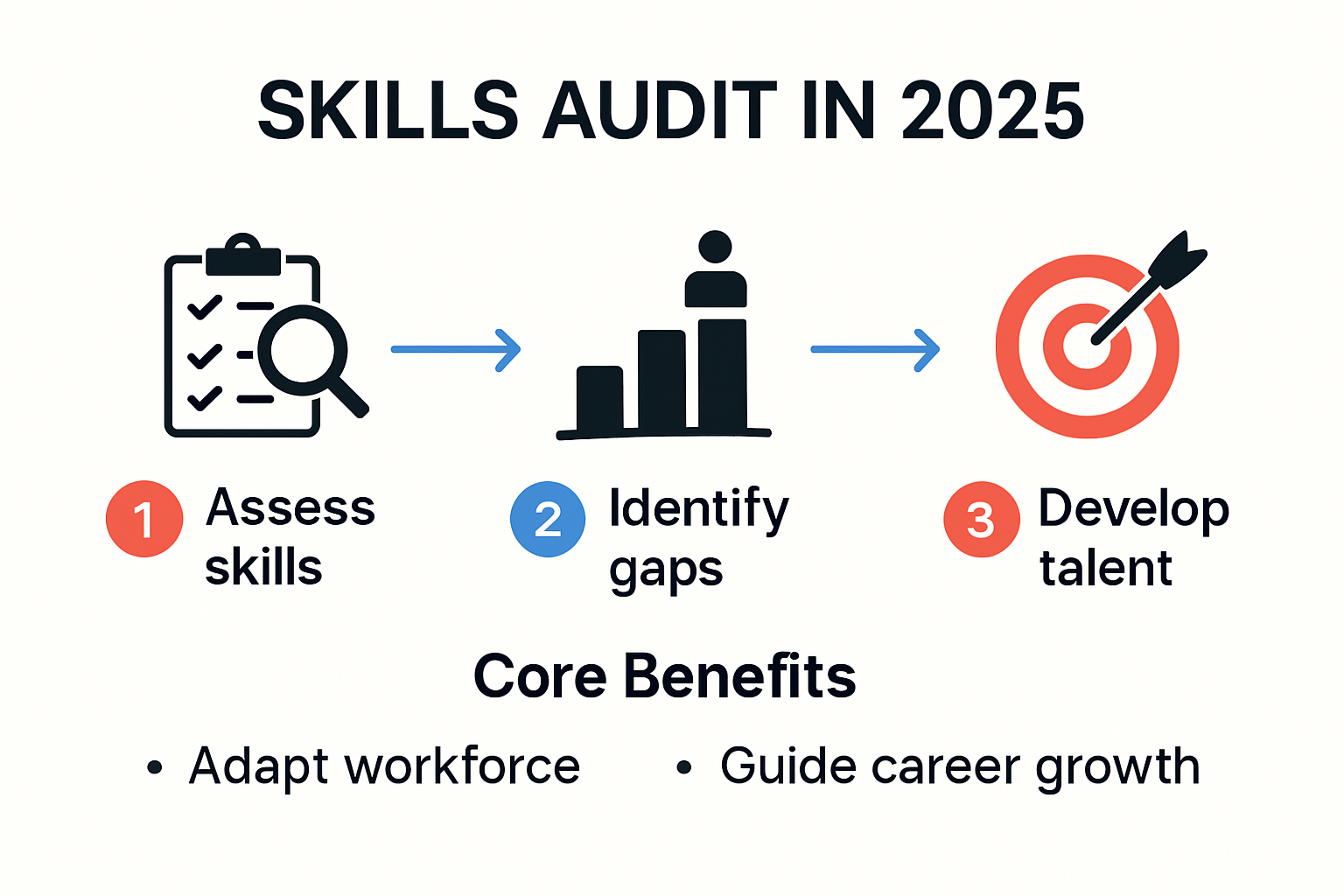
At its core, a skills audit is a systematic assessment process that maps an individual’s or organization’s existing capabilities against required competencies for current and future roles. According to research from AIHR, 87% of organizations recognize they currently have or anticipate a significant skills gap in the near future. This staggering statistic underscores the critical importance of conducting regular and thorough skills audits.
The process involves multiple strategic components:
- Comprehensive Skill Mapping: Detailed evaluation of existing skills across different roles and departments
- Gap Analysis: Identifying discrepancies between current capabilities and future organizational needs
- Strategic Planning: Developing targeted training and development interventions
Why Skills Audits Matter in 2025
Modern workforce dynamics demand unprecedented adaptability. Devskiller’s analysis reveals that skills audits are no longer optional but essential for organizational survival and individual career progression. They provide multiple strategic advantages that extend far beyond traditional performance assessments.
For organizations, skills audits unlock powerful insights into workforce potential. They help uncover hidden talents, optimize resource allocation, and create more agile talent management strategies. By understanding the exact skill composition of their teams, companies can make data-driven decisions about recruitment, training, and strategic workforce planning.
For individual professionals, skills audits serve as a personal career compass. They enable precise identification of strengths, reveal potential development areas, and help align personal growth with emerging industry demands. This self-awareness becomes increasingly crucial in a job market characterized by rapid technological change and evolving skill requirements.
The transformative potential of skills audits becomes evident when organizations move beyond traditional assessment models. As our comprehensive guide on skills development illustrates, the most successful approaches integrate continuous learning, adaptive assessment, and strategic skill cultivation.
By 2025, skills audits will be less about static evaluation and more about dynamic, ongoing skill ecosystem management. They represent a critical tool for both organizational resilience and individual career empowerment, bridging the gap between current capabilities and future potential.
Top Skills Audit Benefits for Different Audiences
Skills audits deliver transformative advantages across diverse audiences, providing strategic insights and actionable intelligence for organizational growth and individual career development. By systematically evaluating existing capabilities, these comprehensive assessments unlock potential for multiple stakeholders in the professional ecosystem.
Benefits for Organizations and Leadership
For organizational leadership, skills audits represent a powerful strategic planning tool. Research from the World Economic Forum indicates that employers expect 39% of workers’ core skills to change by 2030, making proactive skills assessment critically important. These audits enable leaders to:
- Workforce Optimization: Precisely map current skill inventories against future strategic requirements
- Resource Allocation: Develop targeted training programs addressing specific capability gaps
- Talent Management: Create more intelligent recruitment and internal mobility strategies
By understanding their workforce’s true skill composition, organizations can make data-driven decisions that enhance competitive positioning. Our comprehensive guide to running effective skills audits provides deeper insights into implementing these transformative assessments.
Individual Professional Advantages
Professionals benefit immensely from skills audits as personal career development instruments. According to Mercer’s 2024/2025 Skills Snapshot Survey, individuals who consistently assess and update their skills are 45% more likely to achieve career advancement and maintain market relevance.
Skills audits empower professionals by:
- Self-Awareness: Identifying personal strengths and development opportunities
- Career Planning: Aligning individual capabilities with emerging industry trends
- Continuous Learning: Creating personalized upskilling and reskilling roadmaps
Technology and Skills Intelligence Platforms
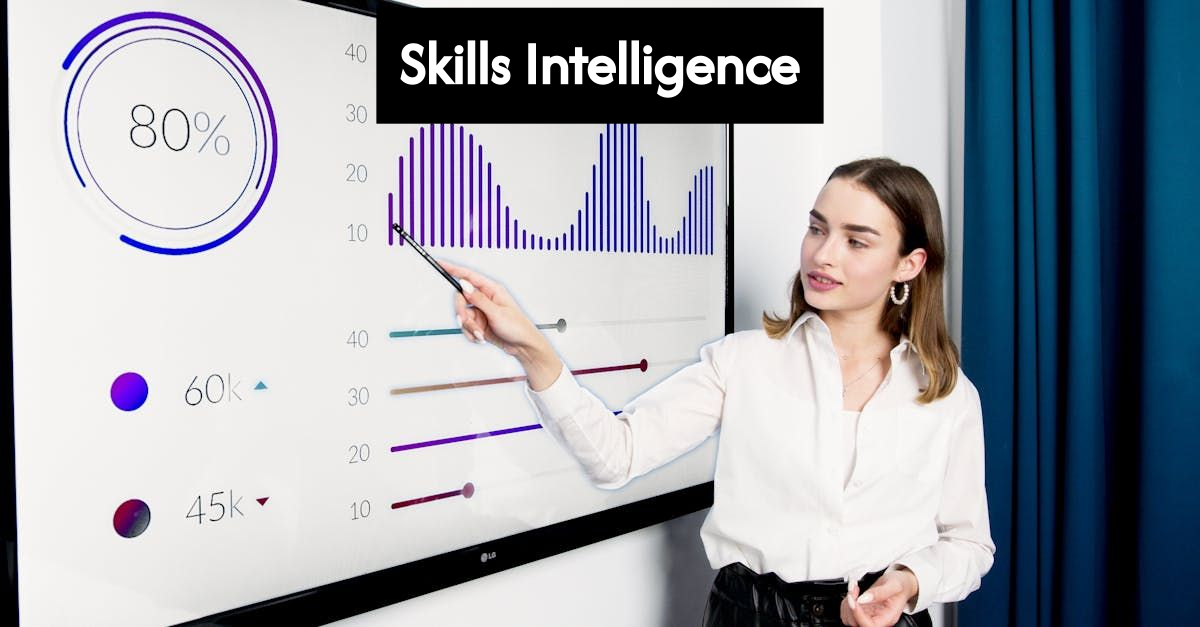
Advanced technology has revolutionized skills audits, transforming them from static assessments to dynamic intelligence systems. Skills intelligence platforms now offer sophisticated analytics that go beyond traditional evaluation methods. These platforms help organizations and individuals:
- Streamline comprehensive skills data collection
- Uncover hidden talent trends and potential
- Recommend targeted training interventions
- Enable more agile workforce and career development strategies
As the professional landscape continues evolving, skills audits will become increasingly critical. They represent more than just an assessment tool they are a strategic compass guiding organizations and individuals toward sustained success in an unpredictable global marketplace.
How Skills Audits Drive Growth and Productivity
In the rapidly evolving professional landscape, skills audits emerge as a critical catalyst for organizational growth and productivity. These strategic assessments go beyond traditional performance evaluations, transforming raw workforce potential into measurable competitive advantage.
Bridging Capability Gaps and Strategic Alignment
Research from the World Economic Forum reveals that 39% of workers’ core skills are expected to change by 2030, underscoring the critical need for proactive skills management. Skills audits provide organizations with a precise diagnostic tool to identify and address capability gaps, ensuring workforce readiness for emerging challenges.
By systematically mapping existing skills against future organizational requirements, companies can:
- Strategic Workforce Planning: Develop targeted recruitment and training strategies
- Resource Optimization: Allocate learning and development resources more effectively
- Performance Enhancement: Align individual capabilities with organizational objectives
Driving Organizational Innovation and Efficiency
According to Mercer’s 2024/2025 Skills Snapshot Survey, organizations adopting skills-based approaches experience significant improvements in innovation and operational efficiency. Skills audits enable businesses to:
- Uncover hidden talent potential within existing teams
- Create more agile and adaptable workforce structures
- Reduce recruitment costs by identifying internal talent for critical roles
Our comprehensive guide to running effective skills audits provides deeper insights into transforming these assessments into strategic growth mechanisms.
Technology and Continuous Improvement
Advanced skills intelligence platforms have revolutionized the skills audit process. Modern skills assessment technologies now offer sophisticated analytics that enable continuous workforce monitoring and development. These platforms help organizations:
- Streamline comprehensive skills data collection
- Generate predictive insights about workforce capabilities
- Create personalized learning and development pathways
- Monitor skill progression and organizational learning impact
By treating skills audits as dynamic, ongoing processes rather than static assessments, organizations can create a culture of continuous learning and adaptation. This approach transforms skills audits from mere evaluation tools into strategic instruments of growth, enabling businesses to stay competitive in an increasingly complex and rapidly changing professional environment.
The future of organizational success lies not just in identifying skills but in creating an ecosystem that continuously nurtures, develops, and aligns workforce capabilities with strategic objectives. Skills audits represent the critical bridge between current capabilities and future potential, driving productivity and innovation in unprecedented ways.
Real-World Examples of Skills Audit Success
Real-world case studies demonstrate the transformative power of skills audits across diverse industries, showcasing how strategic skill assessment can drive organizational performance and individual career growth. These practical examples illustrate the tangible benefits of comprehensive skills evaluation beyond theoretical frameworks.
Financial Services Sector Transformation
A mid-sized retail bank provides a compelling illustration of skills audit success. Research from People Tree Group revealed how the organization used skills audits to gain real-time visibility into workforce capabilities. By systematically mapping existing skills against emerging technological and customer service requirements, the bank achieved remarkable outcomes:
- Targeted Talent Development: Identified critical skill gaps in digital transformation
- Resource Optimization: Reallocated internal talent more effectively
- Risk Mitigation: Proactively addressed potential capability shortfalls
Our guide to conducting effective skills assessments provides deeper insights into implementing similar strategies across different organizational contexts.
Global Workforce Learning Trends
According to the World Economic Forum’s Future of Jobs Report, 50% of the global workforce has completed training as part of learning and development initiatives. This statistic underscores the growing importance of skills audits in creating targeted learning experiences. Several notable examples highlight this trend:
- A technology company restructured its entire learning and development program based on comprehensive skills audit findings
- An international manufacturing firm used skills mapping to create personalized career development pathways
- A healthcare organization leveraged skills audits to address critical talent shortages in specialized roles
Continuous Improvement and Strategic Alignment
Case studies from audit research demonstrate that successful skills audits are not one-time events but ongoing processes of organizational learning. The most effective approaches share common characteristics:
- Continuous monitoring of skill evolution
- Agile response to emerging capability requirements
- Integration of skills intelligence into strategic planning
These real-world examples reveal a critical insight: skills audits are more than diagnostic tools. They represent a strategic approach to workforce development, enabling organizations to create adaptive, forward-thinking talent ecosystems. By treating skills as dynamic resources that require constant nurturing and alignment, businesses can transform potential into tangible competitive advantage.
The future of organizational success lies in the ability to understand, develop, and strategically deploy workforce capabilities. Skills audits emerge as the critical bridge between current performance and future potential, offering a sophisticated approach to talent management in an increasingly complex professional landscape.
Frequently Asked Questions
What is a skills audit?
A skills audit is a systematic assessment process that evaluates current skills within an organization or for an individual, identifying gaps and aligning capabilities with future needs.
Why are skills audits important for organizations in 2025?
Skills audits are crucial for organizations as they help identify skills gaps, optimize resource allocation, and ensure workforce readiness amidst rapidly changing technological and industry demands.
How can individuals benefit from conducting a skills audit?
Individuals can gain significant benefits from skills audits by identifying their strengths, discovering areas for improvement, and creating tailored career development plans aligned with market demands.
What role does technology play in skills audits?
Technology enhances skills audits by providing sophisticated analytics and skills intelligence platforms, which streamline data collection, reveal talent trends, and inform targeted training and development strategies.
Ready to Close Your Skills Gap in 2025?
Skills audits are not just a passing trend—they are your ticket to a future-ready workforce and empowered personal growth. The article highlighted challenges like fast-changing skill needs, uncertainty about current capabilities, and the urgent need for ongoing workforce development. Many organizations and professionals feel left behind by sudden shifts in technology and industry expectations. If you recognized your own team or career worries in this scenario, you are not alone.

Peuneo is here to turn that uncertainty into action. As a trusted Level 1 BEE partner dedicated to accredited training, consulting, and advanced skills auditing, we help South African organizations and individuals unlock their true potential. Let our expert solutions guide your next skills audit or career move. Visit our site now and take the first step toward lasting success—there has never been a better moment to future-proof your skills and your business.