


Safety training requirements for employers are more than just regulations; they’re essential for protecting workers. In 2023, nearly 395 million nonfatal work injuries occurred globally. But here’s the surprising twist: the way you approach training can either burden your organization or transform it. Investing in comprehensive safety programs not only prevents accidents but also enhances your organization’s reputation and boosts employee morale. Discover how to turn compliance into a competitive advantage.
Table of Contents
- Osha Training Requirements Explained For Employers
- Required Frequency Of Safety Training Sessions
- Documentation: Proof Of Training Requirements Being Met
- Key Benefits Of Meeting Safety Training
Quick Summary
| Takeaway | Explanation |
|---|---|
| Understanding OSHA Training Requirements | Employers must provide specific safety training based on industry and hazards, focusing on legal compliance to avoid penalties and safeguard workers. |
| Documentation is Crucial | Meticulous records documenting training sessions, topics covered, and employee participation are essential for demonstrating compliance and ensuring a safe work environment. |
| Regular Training Frequency | Establishing a training cycle tailored to specific risks and industries is vital; initial training, annual refreshers, and periodic retraining improve safety and compliance. |
| Investing in Safety Training | Comprehensive safety training leads to reduced workplace accidents, financial benefits, and enhanced organizational reputation, ultimately fostering a safer and more productive work culture. |
OSHA Training Requirements Explained for Employers
OSHA safety training requirements are comprehensive mandates that protect workers across various industries by ensuring employers provide critical safety education and hazard awareness. Employers must understand these requirements to maintain workplace safety, prevent accidents, and comply with federal regulations.
Understanding Mandatory Training Standards
Employers face specific safety training requirements that vary depending on their industry and workplace hazards. OSHA establishes clear guidelines for mandatory training, focusing on protecting workers from potential risks. These requirements are not optional suggestions but legal obligations that can result in significant penalties for non-compliance.
The core OSHA training requirements typically include several critical areas:
- Hazard Communication Training: Educating employees about chemical risks and proper handling procedures
- Personal Protective Equipment (PPE) Training: Instruction on selecting, using, and maintaining protective gear
- Lockout/Tagout Procedures: Teaching safe equipment maintenance and energy control methods
Documenting and Implementing Training Programs
Effective safety training goes beyond simple instruction. OSHA’s 2254 guidelines emphasize the importance of comprehensive documentation and systematic training implementation. Employers must maintain detailed records of all training sessions, including:
- Date of training
- Names of employees trained
- Subject matter covered
- Training providers’ credentials
The 2025 OSHA updates introduce more stringent requirements, particularly for chemical labeling and Safety Data Sheets (SDS). Employers must now provide updated training that aligns with the Globally Harmonized System (GHS), ensuring workers can accurately interpret new chemical labels and safety information.
Tailoring Training to Workplace Specifics
No single training approach fits all workplaces. OSHA requires employers to develop specialized training programs that address specific workplace hazards. This means a construction site will have different training requirements compared to a manufacturing facility or laboratory. Key considerations include:
- Identifying unique workplace risks
- Providing industry-specific safety instruction
- Conducting periodic risk assessments
- Updating training materials to reflect current safety standards
Employers must recognize that safety training is an ongoing process, not a one-time event. Regular refresher courses, updated materials, and continuous education are essential to maintaining a safe work environment and meeting OSHA required training standards.
Failure to comply with these training requirements can result in substantial financial penalties, potential legal actions, and most importantly, increased risk of workplace accidents. By investing in comprehensive safety training, employers protect their most valuable asset—their workforce—while demonstrating a commitment to workplace safety and regulatory compliance.
Required Frequency of Safety Training Sessions
Determining the appropriate frequency for safety training sessions is crucial for maintaining workplace safety and regulatory compliance. OSHA does not apply a one-size-fits-all approach to training frequency, instead providing nuanced guidelines that vary depending on specific workplace hazards, industry standards, and potential risks.

Establishing Training Cycle Baselines
Safety training frequencies are not arbitrary but carefully designed to ensure continuous workplace protection. HSI Safety Training Experts outline several standard training cycles that employers must follow:
- Initial Training: Mandatory before an employee’s first exposure to specific workplace hazards
- Annual Refresher Training: Required for many critical safety standards
- Periodic Retraining: Conducted every three years or as determined by specific workplace conditions
Critical trigger points for mandatory retraining include:
- Changes in worker job responsibilities
- Introduction of new workplace hazards
- Identification of knowledge gaps in existing safety procedures
- Implementation of new equipment or technological processes
Industry-Specific Training Requirements
OSHA’s 2025 guidelines emphasize the importance of tailoring training frequencies to specific industry needs. Manufacturing, construction, healthcare, and chemical processing sectors often require more frequent and specialized training sessions.
For example:
- Construction workers might need monthly safety briefings
- Chemical facility employees could require quarterly hazardous material handling updates
- Healthcare professionals may need bi-annual infection control and patient safety training
Documenting and Tracking Training Cycles
Effective safety training management goes beyond scheduling sessions. Employers must develop robust systems for tracking and documenting training frequencies. This includes:
- Maintaining comprehensive training records
- Creating digital tracking systems for training completion
- Setting automated reminders for upcoming training sessions
- Conducting regular audits of training compliance
The consequences of inconsistent training can be severe. Inadequate or infrequent safety training not only increases workplace accident risks but can also result in significant OSHA penalties and potential legal liabilities.
Modern organizations are increasingly adopting flexible training approaches, including:
- Online learning platforms
- Microlearning modules
- Blended learning strategies
- Virtual reality safety simulations
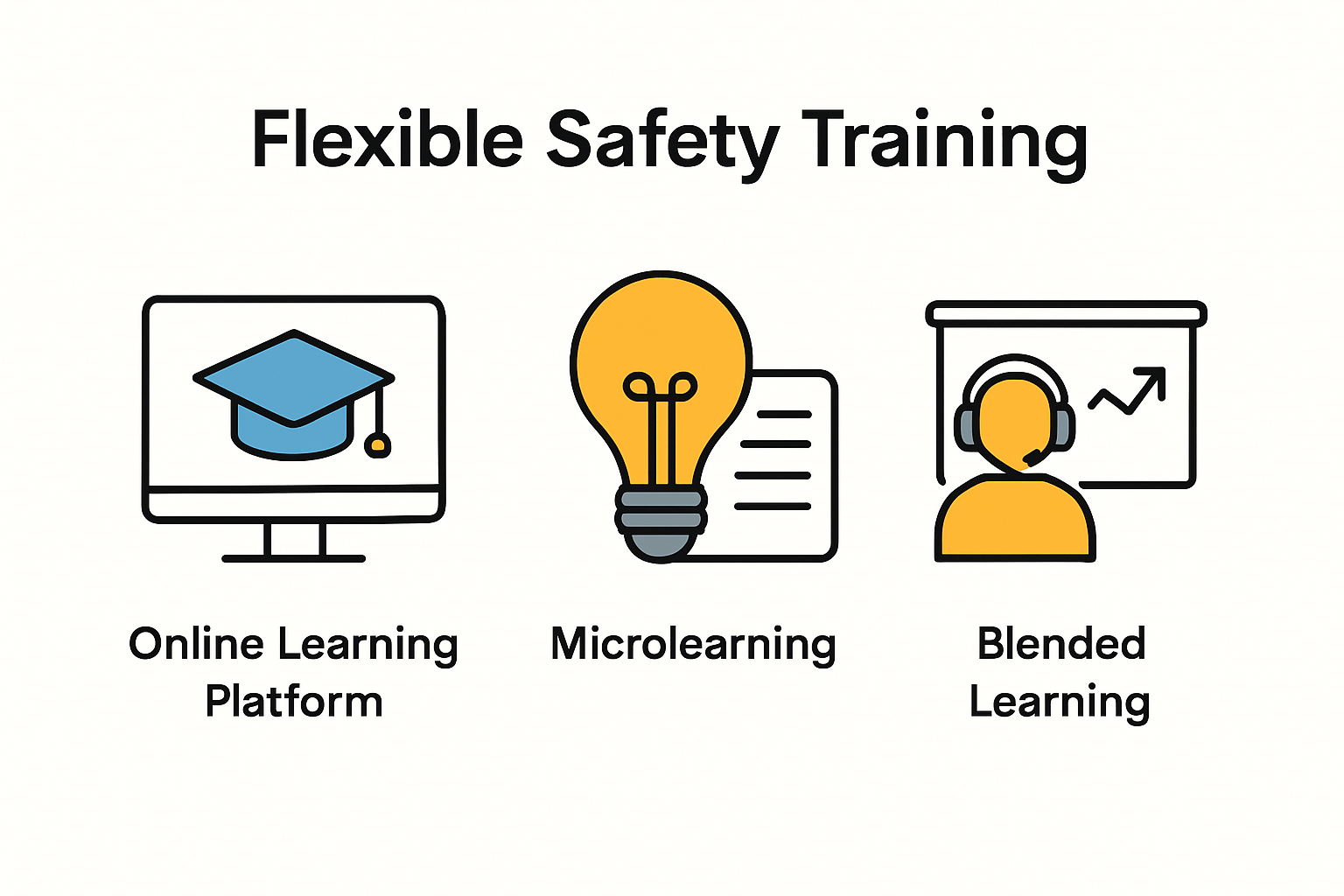
These innovative approaches allow for more frequent, engaging, and accessible safety training that meets OSHA’s rigorous standards while adapting to evolving workplace dynamics.
Ultimately, the goal of safety training frequency is not bureaucratic compliance but creating a culture of continuous learning and proactive risk management. By understanding and implementing appropriate training cycles, employers can significantly reduce workplace incidents, protect their workforce, and demonstrate a genuine commitment to safety excellence.
Documentation: Proof of Training Requirements Being Met
Effective documentation is the backbone of demonstrating compliance with OSHA safety training requirements. Employers must maintain meticulous records that not only prove training has occurred but also provide a comprehensive overview of workplace safety efforts.
Essential Documentation Components
OSHA’s official guidelines mandate specific documentation practices that go beyond simple attendance sheets. Comprehensive training documentation should include:
- Detailed Training Records: Comprehensive logs of each training session
- Employee Acknowledgment Forms: Signed documents confirming participation and understanding
- Training Content Verification: Copies of training materials and curriculum
- Instructor Credentials: Proof of trainer qualifications and expertise
Key elements that must be captured in training documentation include:
- Date of training session
- Names of employees trained
- Specific topics covered
- Duration of training
- Training provider or instructor details
Digital Documentation And Compliance Tracking
Risk Strategies’ 2025 Compliance Guide highlights the increasing importance of digital documentation systems. Modern employers are transitioning from paper-based records to sophisticated tracking platforms that offer:
- Real-time training completion monitoring
- Automated compliance alerts
- Centralized record-keeping
- Easy access for regulatory inspections
These digital solutions help organizations:
- Track individual employee training histories
- Identify training gaps
- Schedule timely refresher courses
- Generate instant compliance reports
Retention and Accessibility of Training Records
HIPAA Compliance Experts emphasize that documentation is not just about creating records, but ensuring they are:
- Easily accessible
- Maintained for appropriate time periods
- Protected from unauthorized access
- Readily available during regulatory inspections
OSHA typically requires employers to maintain training records for:
- Current employees: Duration of employment
- Former employees: At least 30 years after termination
Failure to maintain proper documentation can result in:
- Significant financial penalties
- Potential legal liabilities
- Increased workplace safety risks
- Potential shutdown of operations
Smart organizations view documentation as more than a regulatory requirement. It’s a strategic tool for:
- Continuous safety improvement
- Risk management
- Demonstrating commitment to employee well-being
- Protecting the organization from potential legal challenges
By implementing robust documentation practices, employers create a transparent, accountable safety culture that protects both workers and the organization. Comprehensive, well-maintained training records serve as a critical defense against potential incidents and regulatory scrutiny.
Key Benefits of Meeting Safety Training
Comprehensive safety training transcends mere regulatory compliance, offering substantial strategic advantages for organizations committed to protecting their most valuable asset—their workforce. Understanding these benefits illuminates why proactive safety education is a critical business investment.
Workplace Accident Prevention and Risk Reduction
Global Safety Research reveals startling workplace injury statistics, with nearly 395 million nonfatal work injuries occurring globally in 2023. Effective safety training serves as the primary defense against such incidents. Organizations implementing robust training programs can significantly mitigate workplace risks by:
- Improving employee awareness of potential hazards
- Teaching proper equipment handling techniques
- Developing proactive risk identification skills
- Establishing clear emergency response protocols
Statistics demonstrate that comprehensive safety training can lead to:
- Substantial reduction in workplace accidents
- Decreased severity of potential injuries
- Lower workers’ compensation claims
- Minimizing operational disruptions
Organizational Performance and Financial Benefits
Workforce Training Analysis indicates that organizations with strong safety training programs experience remarkable performance improvements:
- 63% decline in workplace accidents
- 78% reduction in employee absenteeism
- Enhanced operational efficiency
- Improved employee morale and engagement
These benefits translate directly into financial advantages, including:
- Reduced insurance premiums
- Lower medical and compensation costs
- Increased productivity
- Improved employee retention
Long-Term Organizational Reputation and Competitive Advantage
Safety Compliance Experts emphasize that effective safety training extends beyond immediate risk management. Organizations that prioritize comprehensive safety education gain significant competitive advantages:
- Enhanced company reputation
- Improved ability to attract top talent
- Stronger customer and stakeholder confidence
- Demonstrated commitment to employee well-being
- Potential competitive differentiation in industry
Additionally, companies with exemplary safety records often experience:
- Increased investor confidence
- Better regulatory standing
- Potential marketing and branding opportunities
- Improved international business prospects
Safety training is not an expense but a strategic investment in an organization’s most critical resource—its people. By creating a culture of safety, continuous learning, and proactive risk management, companies can transform mandatory training requirements into powerful tools for organizational excellence and sustainable growth.
The most successful organizations understand that safety training represents more than compliance; it’s a fundamental approach to building resilient, high-performing workplaces that protect, empower, and inspire employees at every level.
Frequently Asked Questions
What are OSHA safety training requirements for employers?
OSHA safety training requirements mandate that employers provide specific safety education tailored to their industry and workplace hazards to ensure worker protection and legal compliance.
How often should safety training sessions be conducted?
Safety training sessions should be conducted initially before an employee’s first exposure to hazards, with annual refresher courses and periodic retraining based on specific workplace conditions and risks.
What documentation is necessary to prove safety training has been conducted?
Essential documentation includes detailed training records, employee acknowledgment forms, training content verification, and proof of instructor qualifications, all of which help demonstrate compliance with OSHA requirements.
What are the benefits of implementing effective safety training?
Implementing effective safety training can lead to substantial reductions in workplace accidents, financial savings through lower insurance costs, improved employee morale, and a stronger organizational reputation, ultimately enhancing overall productivity.
Unlock Your Path to Safety Excellence with Peuneo!
In today’s rapidly evolving workplace landscape, meeting OSHA safety training requirements isn’t just about compliance; it’s about ensuring the safety and well-being of your most valuable asset—your employees. With nearly 395 million nonfatal work injuries globally in 2023, the stakes have never been higher! Employers face a daunting task in understanding mandatory training standards, documenting training efforts, and establishing frequent safety training cycles to manage risk effectively. But don’t worry—Peuneo is here to help you turn these challenges into opportunities!

At Peuneo, we specialize in delivering accredited safety training programs that cater specifically to your industry’s unique risks. Our diverse online learning portal allows you to access tailored courses aimed at empowering your workforce with essential safety knowledge and skills. Start your journey towards safer workplaces today! Visit https://peuneo.co.za now to explore our tailored training solutions, or schedule a professional consultation to ensure your organization remains compliant and competitive. Act NOW to cultivate a culture of safety that will protect your workforce and bolster your organization’s reputation!