


The future of online learning is unfolding fast, and it’s packed with revolutionary changes. By 2025, global eLearning is projected to reach a staggering $325 billion. But here’s the twist: it’s not just about the growth in numbers; it’s about how learning experiences are being transformed. Rather than sticking to traditional methods, the focus is shifting to personalized, immersive, and engaging approaches. This evolution promises to redefine education, making it accessible and tailored for everyone.
Table of Contents
- Key Learning Technology Transformations
- E-learning Personalization And Engagement
- Future Of Online Learning Delivery
- Workforce Training And Development
Quick Summary
| Takeaway | Explanation |
|---|---|
| Personalized Learning Through AI | AI-driven platforms will increasingly analyze individual learning behaviors, customizing educational content and pathways to meet specific learner needs. |
| Rise of Immersive Learning | Technologies like VR and AR will enable hyper-realistic simulations and experiences tailored to various disciplines, enhancing engagement and retention. |
| Hybrid Learning Models | The future of education will embrace hybrid models that combine online learning with in-person interaction, facilitated by mobile technology for greater access. |
| Continuous Workforce Development | Corporations are projected to integrate e-learning into training programs, emphasizing ongoing skill development to adapt to the changing job market. |
| Focus on Transferable Skills | Future training will prioritize flexible, transferable skills such as critical thinking and emotional intelligence, ensuring relevance across job roles. |
Key Learning Technology Transformations
The landscape of online learning is undergoing a radical transformation, driven by breakthrough technologies that are reshaping how knowledge is acquired, processed, and applied. As we approach 2025, educational technologies are moving beyond traditional boundaries, creating more personalized, immersive, and adaptive learning experiences.
Artificial Intelligence: Personalizing Learning Journeys
Artificial Intelligence is revolutionizing online learning by delivering unprecedented levels of personalization. According to Digital Learning Institute, 60% of educators are already integrating AI-driven systems that analyze individual learning patterns. These intelligent platforms can dynamically adjust content complexity, recommend targeted resources, and identify potential learning gaps in real-time.
The AI transformation goes beyond simple content recommendation. Advanced machine learning algorithms now create adaptive learning paths that respond to each student’s unique cognitive profile. For instance, if a learner struggles with complex mathematical concepts, the system can automatically introduce additional explanatory materials, interactive visualizations, or alternative teaching approaches that match their specific learning style.
Immersive Learning Environments: VR and AR
Virtual and Augmented Reality technologies are breaking down the barriers between digital and physical learning spaces. Digital Learning Institute predicts significant growth in immersive learning experiences as technology becomes more affordable and accessible.
Students can now participate in hyper-realistic simulations across various disciplines. Medical students can perform virtual surgeries, engineering students can design 3D prototypes, and history students can walk through recreated historical environments. These immersive technologies provide safe, repeatable learning experiences that were previously impossible or prohibitively expensive.
Infrastructure and Connectivity: The Backbone of Modern Learning
EDUCAUSE emphasizes that educational institutions must invest in scalable, reliable technological ecosystems. This means ensuring high-speed internet, cloud-based learning management systems, and seamless integration between various digital platforms.
The modern online learning environment requires more than just content delivery. It demands sophisticated networks that can support real-time collaboration, handle complex multimedia content, and provide secure, uninterrupted access to learning resources. Institutions are rapidly upgrading their technological foundations to meet these increasingly sophisticated educational demands.
As we move closer to 2025, these technological transformations are not just enhancing learning—they are fundamentally reimagining how knowledge is created, shared, and experienced. The future of online learning is adaptive, immersive, and deeply personalized, promising unprecedented opportunities for learners worldwide.
E-learning Personalization and Engagement
The future of online learning hinges on creating deeply personalized, engaging experiences that adapt dynamically to individual learner needs. As we approach 2025, educational technologies are shifting from standardized, one-size-fits-all approaches to hyper-customized learning journeys that respond in real-time to each student’s unique learning profile.
Intelligent Adaptive Learning Platforms
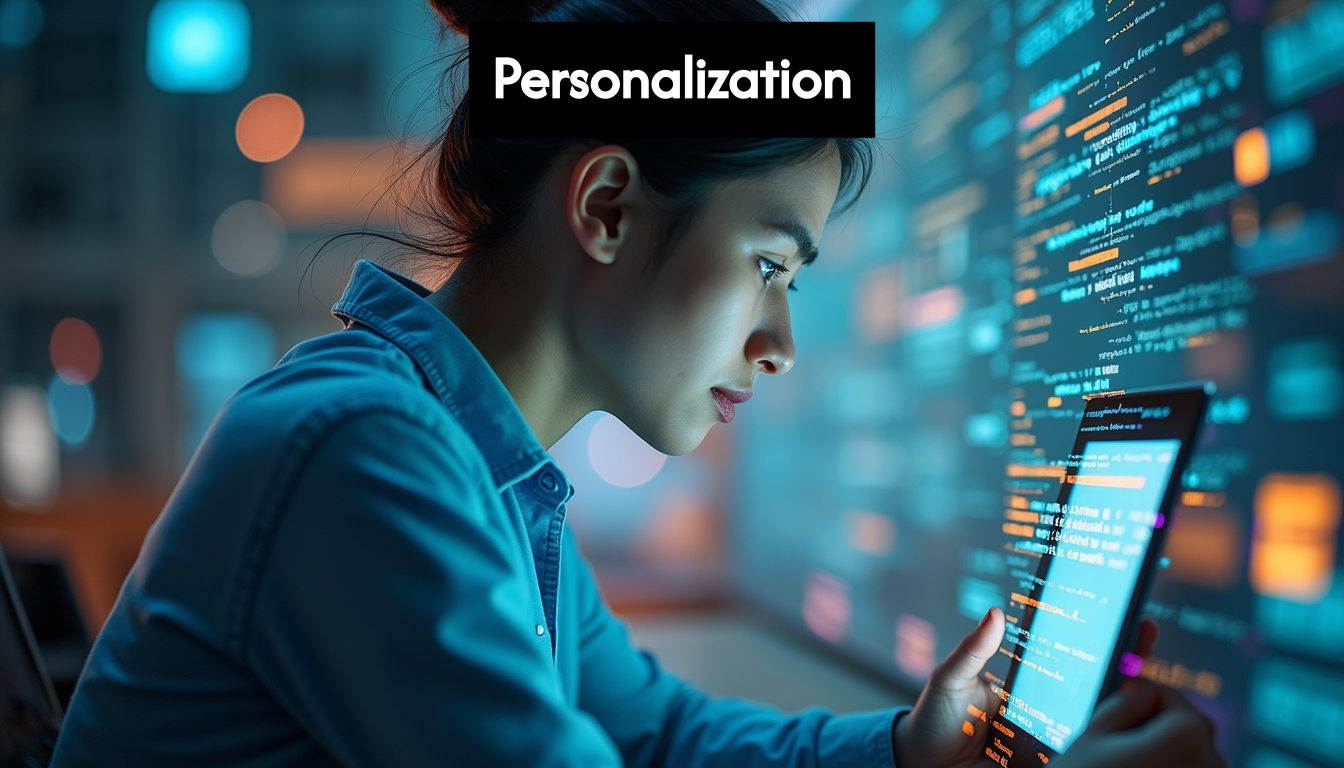
According to GP Strategies, AI-driven personalization will become a cornerstone of e-learning by 2025. These advanced platforms go beyond traditional learning management systems by continuously analyzing learner behaviors, performance metrics, and cognitive patterns. They create dynamic learning pathways that automatically adjust content difficulty, presentation style, and learning pace based on individual progress.
These intelligent systems can identify learning strengths and potential knowledge gaps within minutes. For example, if a learner demonstrates quick comprehension in theoretical concepts but struggles with practical applications, the platform will automatically introduce more interactive, hands-on learning modules to reinforce understanding. This level of personalization ensures that each student receives precisely the support they need, precisely when they need it.
Microlearning and Targeted Skill Development
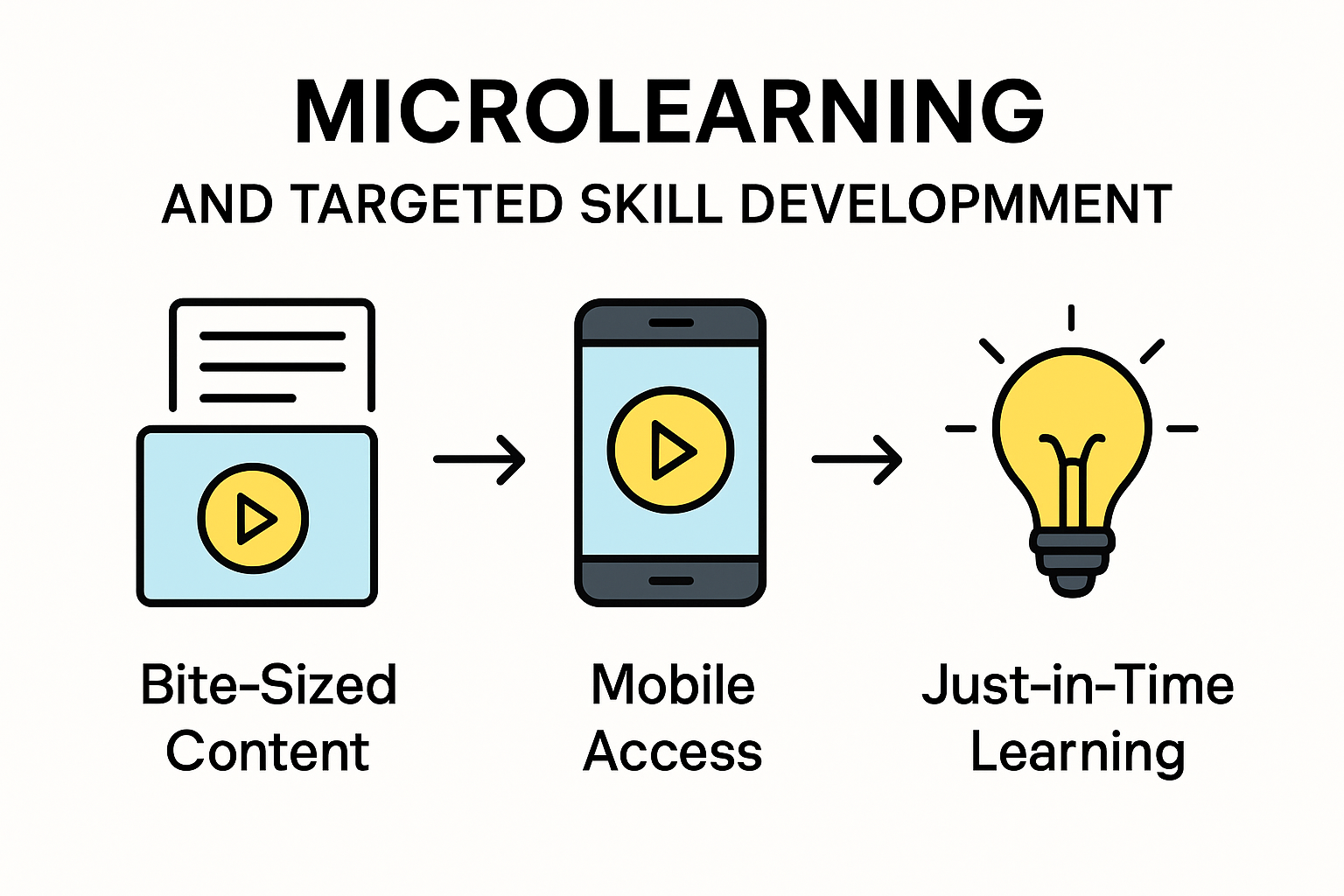
Training Industry highlights the rising importance of microlearning and nano-learning approaches. These strategies involve delivering bite-sized, highly focused learning modules that address specific skill gaps and provide just-in-time knowledge reinforcement. Unlike traditional long-form courses, microlearning breaks complex topics into digestible 5-10 minute segments that can be consumed on-demand.
Mobile technology plays a crucial role in this approach, enabling learners to receive targeted push notifications, quick skill refreshers, and interactive mini-lessons that fit seamlessly into their daily routines. This approach is particularly effective for professionals seeking continuous skill enhancement without significant time investment, making learning more accessible and engaging.
Gamification and Inclusive Learning Design
Advanced gamification is transforming e-learning engagement by creating adaptive, personalized challenge systems. Training Industry reports that AI-powered gamification will move beyond generic point systems to develop meta-learning games that dynamically adjust difficulty and rewards based on individual performance.
Moreover, these gamified learning experiences are increasingly designed with universal accessibility in mind. This means creating interfaces and learning experiences that cater to diverse learning abilities, cultural backgrounds, and technological access levels. By prioritizing inclusive design, e-learning platforms ensure that personalized learning is not just a privilege for some, but an achievable reality for learners worldwide.
As we move deeper into the digital learning era, personalization and engagement are no longer optional—they are essential. The most successful e-learning platforms will be those that can create learning experiences as unique as the individuals who use them, transforming education from a standardized process to a personalized, adaptive journey of continuous growth and discovery.
Future of Online Learning Delivery
The landscape of online learning delivery is undergoing a profound transformation, driven by technological innovations, changing workforce dynamics, and evolving educational needs. As we approach 2025, the traditional boundaries of education are dissolving, giving way to more flexible, accessible, and dynamic learning experiences.
Global Market Expansion and Digital Learning Ecosystem
Devlin Peck Research projects the global eLearning market to grow dramatically, estimating its worth at $325 billion by 2025. This exponential growth reflects a fundamental shift in how knowledge is acquired, shared, and consumed across various sectors. The market expansion is not just about technological advancement, but about creating comprehensive digital learning ecosystems that transcend traditional educational boundaries.
These emerging ecosystems integrate multiple learning modalities—synchronous and asynchronous online courses, interactive webinars, peer-to-peer learning platforms, and real-time collaborative environments. Organizations are no longer viewing learning as a static, one-time event, but as a continuous, interconnected journey that adapts to individual and organizational needs.
Hybrid and Mobile-first Learning Environments
Luisa Zhou Research indicates that 75% of schools in the U.S. are planning to operate through online or hybrid learning models. This trend extends beyond educational institutions into corporate training and professional development. The future of learning delivery is fundamentally hybrid—blending digital platforms with occasional in-person interactions to create more comprehensive learning experiences.
Mobile technology is driving this transformation. According to BuddyBoss, 72% of mobile users report higher engagement with e-learning platforms accessed via smartphones. Companies like Walmart have already demonstrated the power of mobile learning, successfully training employees 50% faster through mobile-first approaches. This trend indicates that learning delivery must be not just digital, but mobile-optimized—designed for instant access, quick consumption, and seamless integration into learners’ daily routines.
Personalized and Adaptive Learning Delivery
The next generation of online learning delivery goes beyond content transmission—it’s about creating intelligent, responsive learning experiences. Advanced platforms will use sophisticated algorithms to dynamically adjust content delivery based on individual learning patterns, performance metrics, and real-time feedback.
This means learning platforms will become more like adaptive coaching systems. They’ll provide personalized learning pathways, recommend specific resources based on individual skill gaps, and offer immediate, contextualized feedback. The delivery mechanism itself becomes an active participant in the learning process, continuously optimizing the educational experience.
As we move closer to 2025, online learning delivery is evolving from a transactional model to an interactive, personalized ecosystem. The most successful platforms will be those that can seamlessly blend technology, human insight, and adaptive design—creating learning experiences that are not just informative, but truly transformative.
Workforce Training and Development
The rapidly evolving global marketplace demands a revolutionary approach to workforce training and development. As technological advancements and economic shifts continue to reshape industries, organizations must embrace adaptive, forward-thinking learning strategies that enable continuous skill enhancement and professional growth.
Corporate Learning Transformation
Continu Research reveals a striking projection: by 2025, 98% of corporations will integrate e-learning into their workforce training programs. This massive shift represents more than a technological trend—it’s a fundamental reimaging of professional development. The global corporate eLearning market is expected to surge to $462.6 billion, driven by organizations’ urgent need to rapidly upskill their workforce and close critical skill gaps.
Modern workforce training is no longer about periodic seminars or annual workshops. Instead, it has become a continuous, dynamic process of learning and adaptation. Companies are investing in platforms that provide real-time skill assessments, personalized learning pathways, and instantaneous feedback mechanisms. These intelligent systems can identify skill deficiencies, recommend targeted learning modules, and track individual and organizational learning progress with unprecedented precision.
Skills Ecosystem and Workforce Readiness
HolonIQ highlights that 36% of EdTech funding in 2024 is being channeled into scalable workforce training initiatives. This investment reflects a critical understanding that traditional education models are insufficient for today’s rapidly changing job market. Work-integrated learning models like internships, apprenticeships, and project-based learning are gaining significant traction, bridging the gap between theoretical knowledge and practical application.
These innovative approaches enable professionals to acquire skills directly relevant to their industry, ensuring that learning is not just theoretical but immediately applicable. Companies are partnering with educational platforms to create customized learning experiences that align with their specific technological and strategic requirements. This collaborative approach ensures that workforce training becomes a strategic asset rather than a compliance requirement.
Future of Skills and Continuous Learning
The World Economic Forum provides a compelling insight: 39% of the average worker’s skills are expected to transform or become outdated between 2025 and 2030. This statistic underscores the critical importance of embracing a lifelong learning mindset. Organizations that prioritize continuous workforce development will not just survive but thrive in an increasingly complex and competitive global environment.
Successful workforce training in 2025 and beyond will be characterized by flexibility, personalization, and rapid adaptability. It will leverage technologies like artificial intelligence, virtual reality, and adaptive learning platforms to create immersive, engaging learning experiences. The most effective training programs will focus on developing transferable skills—critical thinking, emotional intelligence, creative problem-solving, and technological adaptability—that transcend specific job roles.
As we move forward, workforce training is evolving from a static, one-size-fits-all model to a dynamic, personalized ecosystem of continuous learning and development. The most successful organizations will be those that view learning not as an expense, but as a strategic investment in their most valuable asset: their people.
Frequently Asked Questions
What are the key online learning trends to watch in 2025?
The main trends include personalized learning through AI, immersive learning environments with VR and AR, hybrid learning models, and continuous workforce development.
How is artificial intelligence changing online learning?
AI is personalizing learning journeys by analyzing individual behaviors, recommending resources, and dynamically adjusting content to meet each learner’s needs.
What role do VR and AR technologies play in online education?
VR and AR technologies create immersive learning experiences, allowing students to engage in realistic simulations, which enhance understanding and retention of complex subjects.
How can organizations prepare for the future of workforce training in 2025?
Organizations should embrace continuous learning strategies, incorporate e-learning into training programs, and focus on developing transferable skills to adapt to the evolving job market.
Transform Your Skills for the Future of Learning
As we navigate the exciting trends in online learning, it becomes increasingly clear that personalized education is not just a luxury—it’s a necessity! Are you ready to harness the power of AI-driven platforms, immersive technologies like VR and AR, and adaptive learning solutions? At Peuneo, we are here to solve those critical challenges for you.

Imagine transforming your skill development with accredited training tailored just for you. Our online platform offers a suite of expertly designed courses that address the latest in skill gaps defined by global trends—ensuring you’re not left behind. Don’t wait to thrive in an era where continuous learning is the cornerstone of success. Explore our offerings at https://peuneo.co.za and take the first step towards a personalized learning journey today!