

Customer relationship management is the heartbeat of modern business strategy. It involves far more than just software; it is about nurturing relationships that propel growth. But here’s something that might surprise you. Companies that leverage data-driven CRM strategies experience sales growth of 20% on average. That’s right, effective management of customer relations not only strengthens loyalty but can dramatically boost your bottom line. What’s even more compelling? Implementing a customer relationship management system can turn everyday interactions into transformative experiences, paving the way for long-lasting connections and renewed business opportunities.
Understanding Customer Relationship Management Basics
Customer relationship management (CRM) represents far more than just software or a technological solution—it’s a comprehensive business strategy designed to optimize interactions with customers. At its core, CRM is about understanding, anticipating, and responding to customer needs in ways that strengthen relationships and drive business growth.
What Is Customer Relationship Management?
Customer relationship management encompasses the strategies, practices, and technologies that companies deploy to manage and analyze customer interactions throughout the customer lifecycle. The primary goal is straightforward: improve business relationships to grow your company. A robust CRM approach helps organizations stay connected with customers, streamline processes, and ultimately increase profitability.
The foundation of effective CRM rests on collecting and analyzing customer data from various touchpoints—website visits, phone calls, emails, social media, and more. This consolidated view of customer information enables businesses to:
- Identify patterns in customer behavior and preferences
- Personalize communications based on individual customer history
- Proactively address customer service issues before they escalate
- Make data-driven decisions about product development and marketing strategies
According to research on CRM perspectives, an effective customer relationship management strategy integrates collaborative, operative, and analytical components to create a unified approach to customer interactions based on a conceptual framework developed by researchers.
Core Components of CRM Systems
A comprehensive customer relationship management system typically consists of three fundamental components:
1. Operational CRM
This component manages day-to-day customer-facing operations, automating and streamlining business processes like sales, marketing, and service. Operational CRM includes tools for contact management, sales automation, and marketing campaign management. These systems capture customer interactions across all channels, ensuring consistent service delivery.
2. Analytical CRM
The analytical aspect involves analyzing customer data to gain insights into behavior patterns and trends. By leveraging data mining and other analytical techniques, companies can segment customers, predict purchasing behaviors, and measure the effectiveness of marketing initiatives. This intelligence helps businesses make informed strategic decisions based on concrete data rather than assumptions.
3. Collaborative CRM
This dimension facilitates information sharing across all organizational departments that interact with customers. It ensures that marketing, sales, technical support, and customer service teams have access to the same information, creating a unified approach to customer engagement. Collaborative CRM eliminates silos that typically hamper coordinated customer service efforts.
The Evolution of CRM
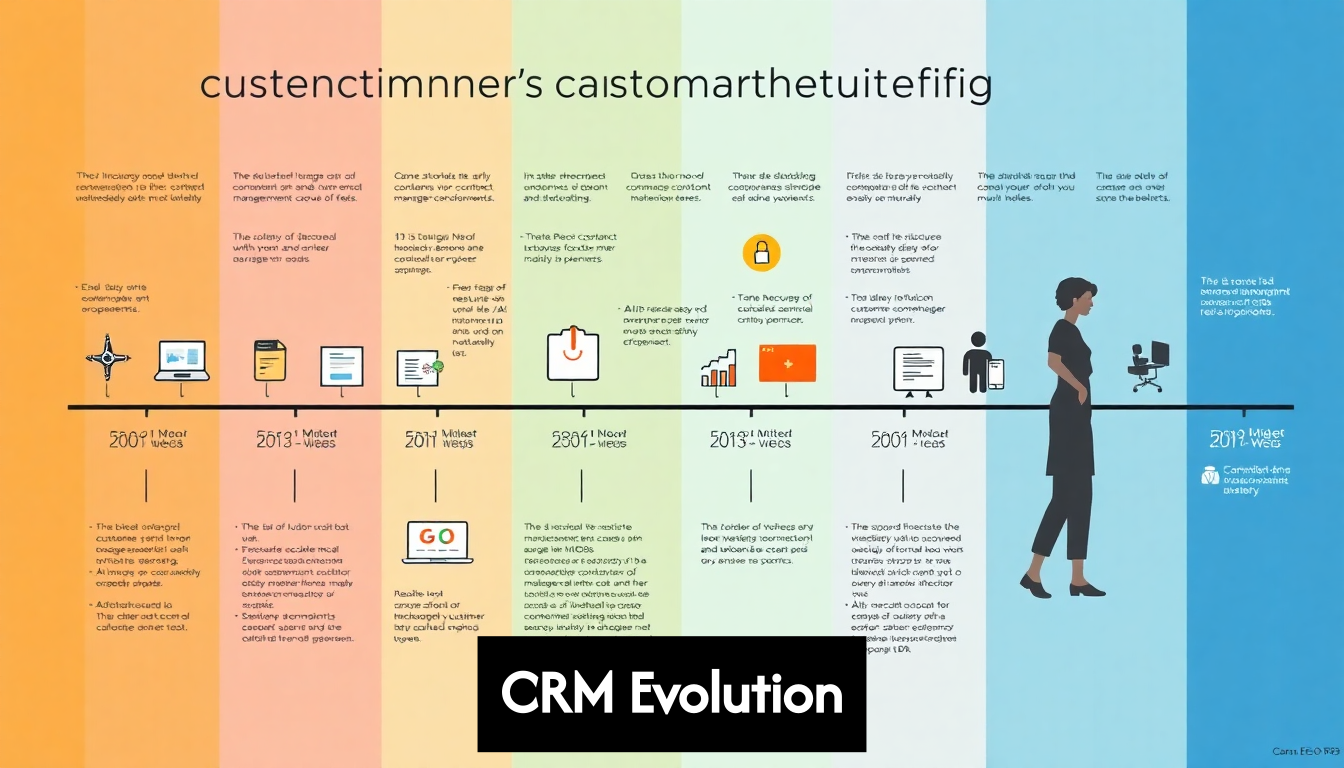
Customer relationship management has evolved significantly from its early days of basic contact management. Initially, CRM systems functioned primarily as digital Rolodexes—storing customer information and interaction history. Today’s relation management systems are sophisticated platforms that integrate with other business applications, incorporate artificial intelligence for predictive analytics, and provide omnichannel capabilities for seamless customer experiences across devices and platforms.
The modern CRM ecosystem now extends beyond traditional sales and service functions to encompass marketing automation, e-commerce integration, social media monitoring, and advanced analytics. This evolution reflects the changing nature of customer relationships in a digital-first economy where customers expect personalized, responsive interactions across multiple channels.
As businesses continue to recognize the value of strong customer relationships as a competitive advantage, CRM has transitioned from a nice-to-have tool to a mission-critical business system. Organizations increasingly view customer relationship management not merely as software but as a customer-centric business philosophy that drives decision-making across the enterprise.
Key Takeaways
| Takeaway | Explanation |
|---|---|
| Integrate CRM into Business Strategy | Effective CRM is not just software; it should be a comprehensive strategy that aligns with business goals to optimize customer interactions and drive growth. |
| Prioritize Data Quality | The success of a CRM system depends on high-quality data. Implementing robust data management practices ensures reliable customer information and improves user confidence in the system. |
| Adopt a Phased Implementation Approach | Organizations should start with core functionalities and gradually expand CRM capabilities to avoid overwhelming users and ensure a smoother transition. |
| Focus on User Adoption and Training | Comprehensive training tailored to various user roles is essential for CRM success, alongside ongoing education to foster usage and engagement. |
| Leverage Analytics for Continuous Improvement | Utilize CRM analytics to measure success and identify areas for optimization, ensuring that the system continuously evolves to meet business needs. |
Key Features of CRM Systems
Modern customer relationship management systems come equipped with diverse capabilities designed to streamline interactions, enhance customer experiences, and drive business growth. Understanding these core features helps organizations select the right CRM solution that aligns with their specific business needs and objectives.
Contact and Lead Management
At the heart of every CRM system is robust contact and lead management functionality. This fundamental feature centralizes all customer information in a single, accessible database. Rather than scattering customer details across various spreadsheets, email threads, or personal notes, a CRM creates a comprehensive customer profile that includes:
- Contact information (names, addresses, phone numbers, email addresses)
- Communication history and interaction records
- Purchase history and preferences
- Lead source and scoring data
- Custom fields relevant to your specific business needs
Effective contact management ensures that anyone in your organization can quickly access accurate, up-to-date customer information. This centralization eliminates information silos and prevents the frustrating scenario where customers must repeatedly explain their situation to different departments.
Lead management capabilities extend this functionality by helping teams track potential customers through the sales pipeline. The system automatically captures lead information from various sources, assigns leads to appropriate sales representatives, and tracks progress from initial contact to conversion.
Sales Automation and Pipeline Management
Sales automation features transform manual, time-consuming tasks into streamlined processes. This allows sales teams to focus their energy on building relationships rather than administrative work. Key sales automation capabilities include:
Quote generation and proposal management tools create professional-looking documents with accurate pricing information. Task management and calendar integration ensure sales representatives never miss important follow-ups or appointments. Sales forecasting tools analyze historical data and current pipeline information to predict future revenue.
The pipeline management component provides visual representations of the sales process, allowing teams to track deals at each stage of the sales cycle. This visibility helps managers identify bottlenecks, forecast more accurately, and make data-driven decisions about resource allocation.
According to research published in the International Journal of Management & Entrepreneurship Research, CRM tools significantly improve sales growth by streamlining processes, enhancing data management, and enabling personalized marketing approaches particularly in emerging markets.
Customer Service and Support
Customer relationship management systems excel at helping organizations deliver exceptional service and support. Modern CRMs typically include:
Ticket management systems that track customer issues from submission to resolution, ensuring nothing falls through the cracks. Self-service portals and knowledge bases allow customers to find answers to common questions without contacting support. Service level agreement (SLA) tracking features help teams prioritize issues and meet response time commitments.
These service-oriented capabilities ensure consistent customer experiences across all touchpoints. When a customer calls with an issue, the support representative can immediately access their complete history, including previous interactions, purchases, and preferences. This contextual information enables more personalized, efficient service that builds trust and loyalty.
Marketing Automation and Campaign Management
The marketing capabilities of comprehensive CRM systems enable organizations to execute targeted, personalized campaigns across multiple channels. Key marketing features include:
Email marketing tools for creating, sending, and tracking email campaigns. Segmentation capabilities that divide customers into groups based on demographics, behavior, or other criteria. Campaign analytics that measure performance and ROI across different marketing initiatives.
By integrating marketing automation with other CRM functions, organizations create a closed-loop system where marketing efforts directly feed the sales pipeline. This integration ensures that marketing teams can track which campaigns generate the most valuable leads and adjust strategies accordingly.
Analytics and Reporting
Data-driven decision making stands as one of the most powerful advantages of implementing a customer relationship management system. Modern CRMs offer robust analytics and reporting features including:
Customizable dashboards that present key performance indicators (KPIs) in real-time. Standard reports for sales, marketing, and service performance. Custom report builders for creating specialized analyses.
These analytical tools transform raw data into actionable insights. Sales managers can identify their top performers and understand what makes them successful. Marketing teams can measure campaign effectiveness across different customer segments. Service departments can track resolution times and customer satisfaction metrics.
Mobile Accessibility and Integration
Today’s business environment demands flexibility and accessibility. Modern CRM systems offer mobile applications that provide on-the-go access to critical customer information. Field sales representatives can update records immediately after client meetings. Service technicians can access customer histories while on site. Managers can approve deals or review performance metrics from anywhere.
Additionally, integration capabilities allow CRM systems to connect with other business applications including:
- Email platforms and communication tools
- Marketing automation software
- Enterprise resource planning (ERP) systems
- E-commerce platforms
- Social media channels
These integrations create a seamless flow of information across the organization, eliminating redundant data entry and providing a more complete view of customer interactions across all touchpoints.
By understanding these key features, organizations can better evaluate which CRM solution best supports their unique business requirements and customer engagement strategies.
Effective CRM Implementation Strategies
Implementing a customer relationship management system represents a significant organizational change that extends far beyond installing software. Companies that achieve the greatest return on their CRM investment approach implementation as a strategic initiative aligned with broader business objectives rather than merely a technical project. This section outlines proven strategies to ensure successful CRM adoption.
Securing Leadership Commitment and Vision
The foundation of successful customer relationship management implementation begins with strong executive sponsorship. Senior leadership must champion the CRM initiative, clearly articulate its strategic importance, and remain visibly involved throughout the implementation process.
A comprehensive CRM vision should connect the technology to tangible business outcomes such as increased revenue, improved customer satisfaction, or operational efficiency. This vision serves as a north star for the entire organization during the implementation journey. Leaders must consistently communicate how the CRM system supports broader business goals and address how it will benefit different stakeholders across the organization.
According to research from Walden University, top management commitment represents one of the three critical factors for successful CRM implementation, alongside technical capability and effective implementation teams. The study emphasizes that early stakeholder involvement is essential for maximizing the effectiveness of a CRM project.
Taking a Phased Implementation Approach
Rather than attempting a high-risk
Frequently Asked Questions
What is Customer Relationship Management (CRM)?
Customer Relationship Management (CRM) is a comprehensive business strategy that utilizes practices, strategies, and technologies to manage and analyze customer interactions throughout the customer lifecycle, with the goal of improving business relationships and driving growth.
Why is CRM important for business growth?
CRM is crucial for business growth because it helps organizations optimize customer interactions, personalize communications, enhance customer loyalty, and leverage data insights to make informed decisions, ultimately leading to increased sales and profitability.
What are the main components of a CRM system?
The main components of a CRM system include operational CRM (managing customer-facing operations), analytical CRM (analyzing customer data for insights), and collaborative CRM (facilitating information sharing among departments to ensure coordinated customer service).
How can businesses effectively implement a CRM system?
To effectively implement a CRM system, businesses should secure leadership commitment, create a clear vision for the CRM initiative, take a phased implementation approach, prioritize data quality, and focus on user adoption and training.
Transform Your Customer Relationships into True Business Growth
Are you ready to unlock the potential of your customer relationships? In the article “Mastering Customer Relationship Management for Business Growth,” we learned that effective CRM strategies can lead to an impressive average sales growth of 20%. But what happens when your team lacks the necessary skills to fully leverage these strategies?

At Peuneo, we understand the pain points of managing customer relationships in a competitive landscape. That’s why we provide accredited training programs and consulting services that will empower your team to master customer relationship management with confidence. Imagine transforming your organization’s approach to customer engagement—personalizing communications, anticipating customer needs, and making data-driven decisions—all while ensuring compliance with industry standards.
Don’t wait to see the results! Visit Peuneo’s website today and explore our comprehensive training courses designed to elevate your understanding and effectiveness in CRM. Take the first step towards growing your business by investing in your most valuable asset—your team’s skills. Enroll now and start transforming your customer interactions!