
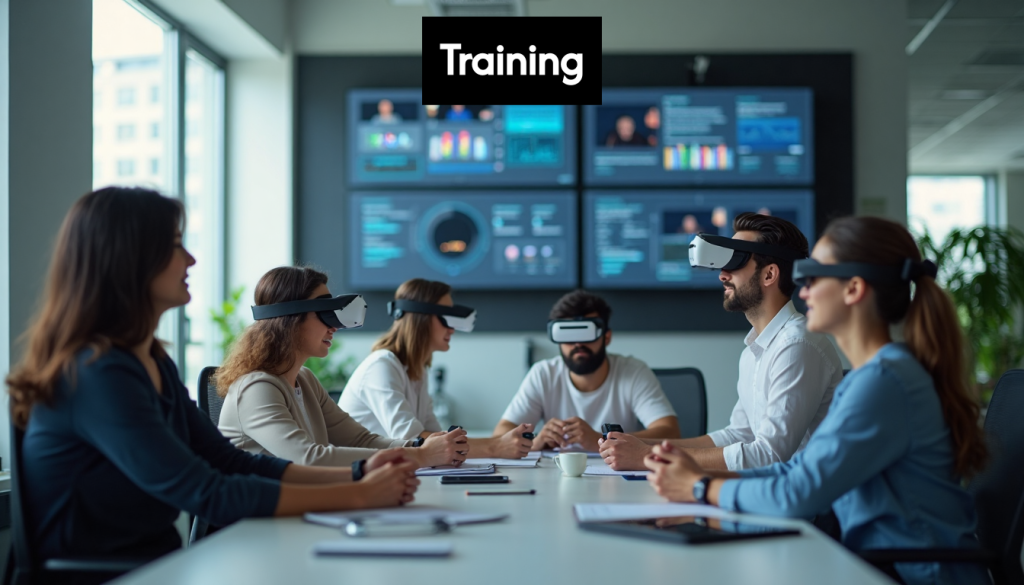
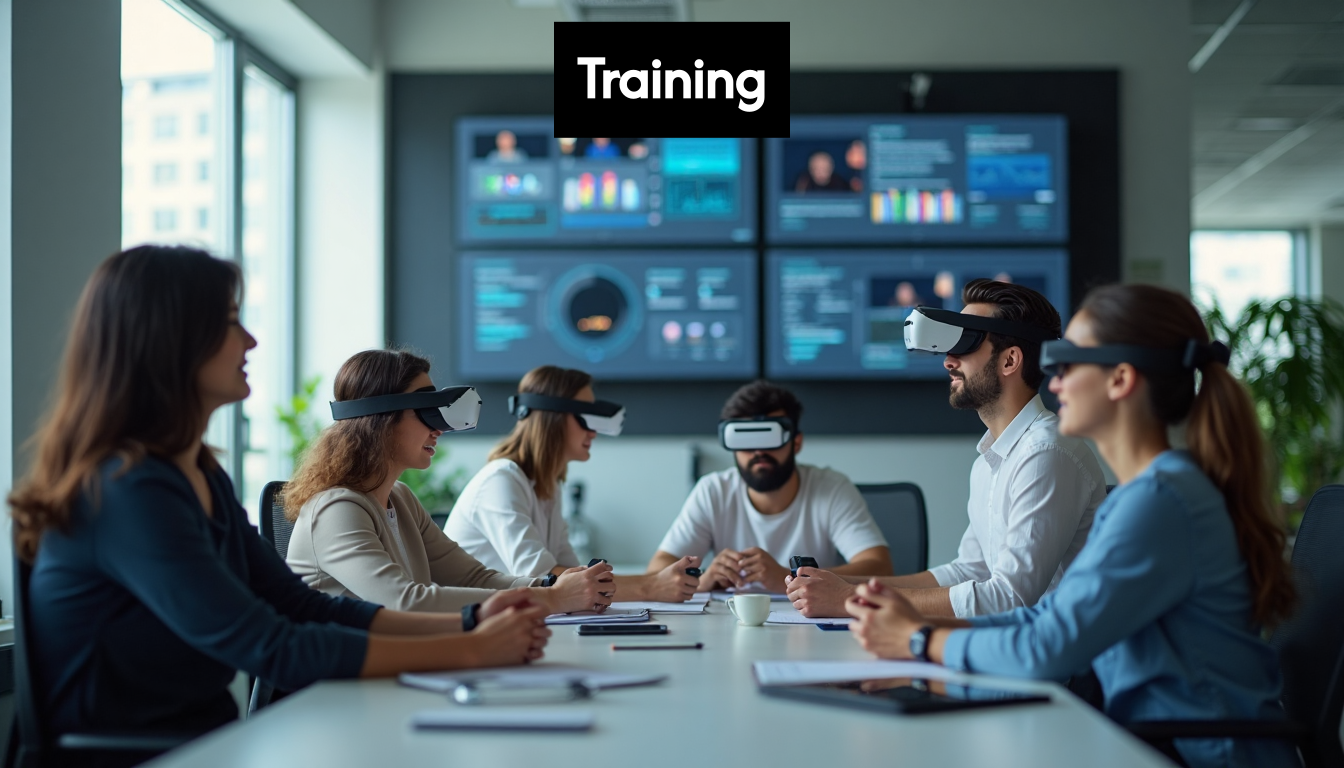
Technology is reshaping how we train employees, making learning more dynamic and effective. With companies using digital simulation technologies achieving a 100% success rate in improving job performance, the transformation is both radical and necessary. But here’s the twist: most organizations are still clinging to outdated training methods. This shift is not just about adopting new tools; it’s about fundamentally rethinking how we develop skills and enhance performance in the workplace.
Table of Contents
- How Technology Transforms Employee Training
- Key Technological Advancements In Training
- Benefits Of Tech-Driven Training Programs
- Future Trends Impacting Learning & Development
Quick Summary
| Takeaway | Explanation |
|---|---|
| Embrace Digital Simulation | Utilizing digital simulation technologies leads to a 100% success rate in improving job performance, providing risk-free, hands-on experience for complex tasks. |
| Leverage AI for Personalization | AI can create customized learning paths by analyzing performance and skill gaps, enhancing engagement and effectiveness in training programs. |
| Adopt Immersive Technologies | Technologies like VR and AR allow for realistic, interactive training environments that significantly improve knowledge retention and skill mastery. |
| Implement Microlearning Approaches | Bite-sized, mobile learning modules enable just-in-time training, accommodating modern work environments and enhancing continuous learning. |
| Focus on Continuous Learning Frameworks | Organizations should move towards skills-based, lifelong learning models to keep pace with rapid technological changes and promote workforce agility. |
How Technology Transforms Employee Training
Technology is revolutionizing employee training, creating more dynamic, personalized, and efficient learning experiences that fundamentally reshape how organizations develop their workforce. The impact of technology on training goes far beyond traditional classroom methods, introducing innovative approaches that dramatically improve skill acquisition and performance.
Digital Simulation: The New Frontier of Learning
Digital simulation technologies have emerged as a game-changing approach to employee training. Research shows that digital simulation training achieves a remarkable 100% success rate in improving job performance, making it significantly more effective than conventional training methods. These advanced simulations allow employees to practice complex tasks in risk-free virtual environments, providing hands-on experience without real-world consequences.
Companies across industries are leveraging immersive technologies like virtual reality (VR) and augmented reality (AR) to create realistic training scenarios. For instance, medical professionals can practice surgical techniques, while technicians can troubleshoot equipment in simulated settings. This approach not only enhances learning retention but also reduces training costs and minimizes potential risks associated with traditional on-the-job training.
Artificial Intelligence: Personalizing Learning Experiences
Artificial intelligence is transforming employee training by enabling unprecedented levels of personalization and adaptability. According to industry data, 65% of companies now regularly use generative AI to enhance their learning and development programs. AI-powered training platforms can analyze individual employee performance, identify skill gaps, and create customized learning paths that adapt in real-time to each worker’s progress and learning style.
These intelligent systems can recommend specific training modules, adjust difficulty levels, and provide instant feedback, creating a more engaging and effective learning experience. By leveraging machine learning algorithms, organizations can develop training programs that are not just standardized but truly tailored to individual employee needs.
The Economic Impact of Training Technology
The investment in training technology reflects its transformative potential. Global projections indicate that digital transformation spending—including employee training technologies—will reach $3.9 trillion by 2027. This massive investment underscores the recognition that technology-driven training is no longer a luxury but a critical strategy for maintaining competitive advantage.
Modern training technologies offer tangible benefits beyond skill development. They provide detailed analytics on learning outcomes, enable remote and flexible training options, and create scalable solutions that can be quickly deployed across global organizations. By embracing these technological innovations, companies can create more agile, skilled, and adaptive workforces prepared to meet the challenges of an increasingly complex business landscape.
Key Technological Advancements in Training
The landscape of employee training has undergone a radical transformation, driven by technological innovations that are reshaping how organizations approach learning and skill development. These advancements are not just incremental improvements but fundamental shifts that are redefining the entire training ecosystem.
Adaptive Learning Platforms: Intelligence-Driven Training
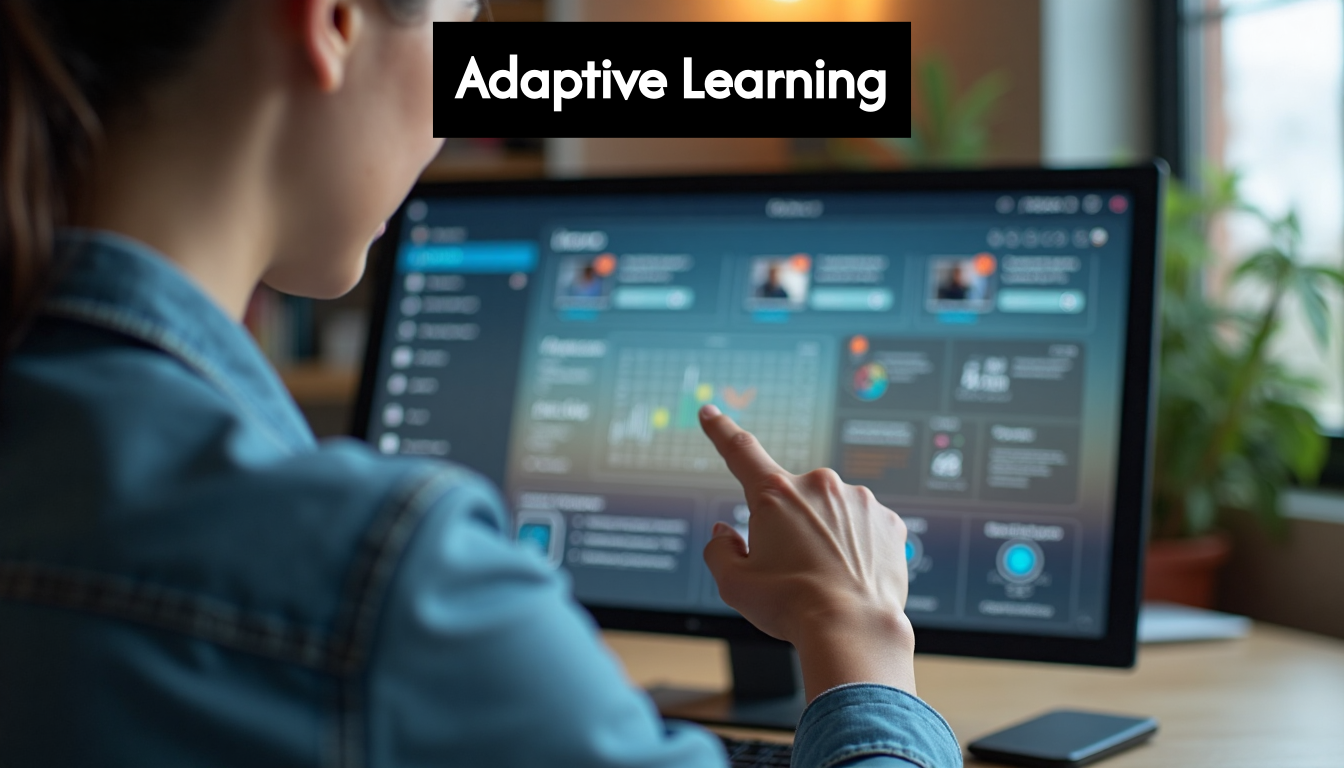
Research indicates that the corporate eLearning market is set to grow from $245.5 billion in 2022 to $462.6 billion by 2027, highlighting the massive technological revolution in training methodologies. Adaptive learning platforms represent the cutting edge of this transformation, utilizing sophisticated artificial intelligence to create truly personalized learning experiences.
These intelligent systems go beyond traditional one-size-fits-all training approaches. By analyzing individual employee performance, learning styles, and skill gaps, adaptive platforms can dynamically adjust content difficulty, recommend specific learning modules, and create custom learning paths. This approach ensures that each employee receives targeted training that matches their unique skill level and learning pace, maximizing knowledge retention and skill development.
Immersive Technologies: Beyond Traditional Learning
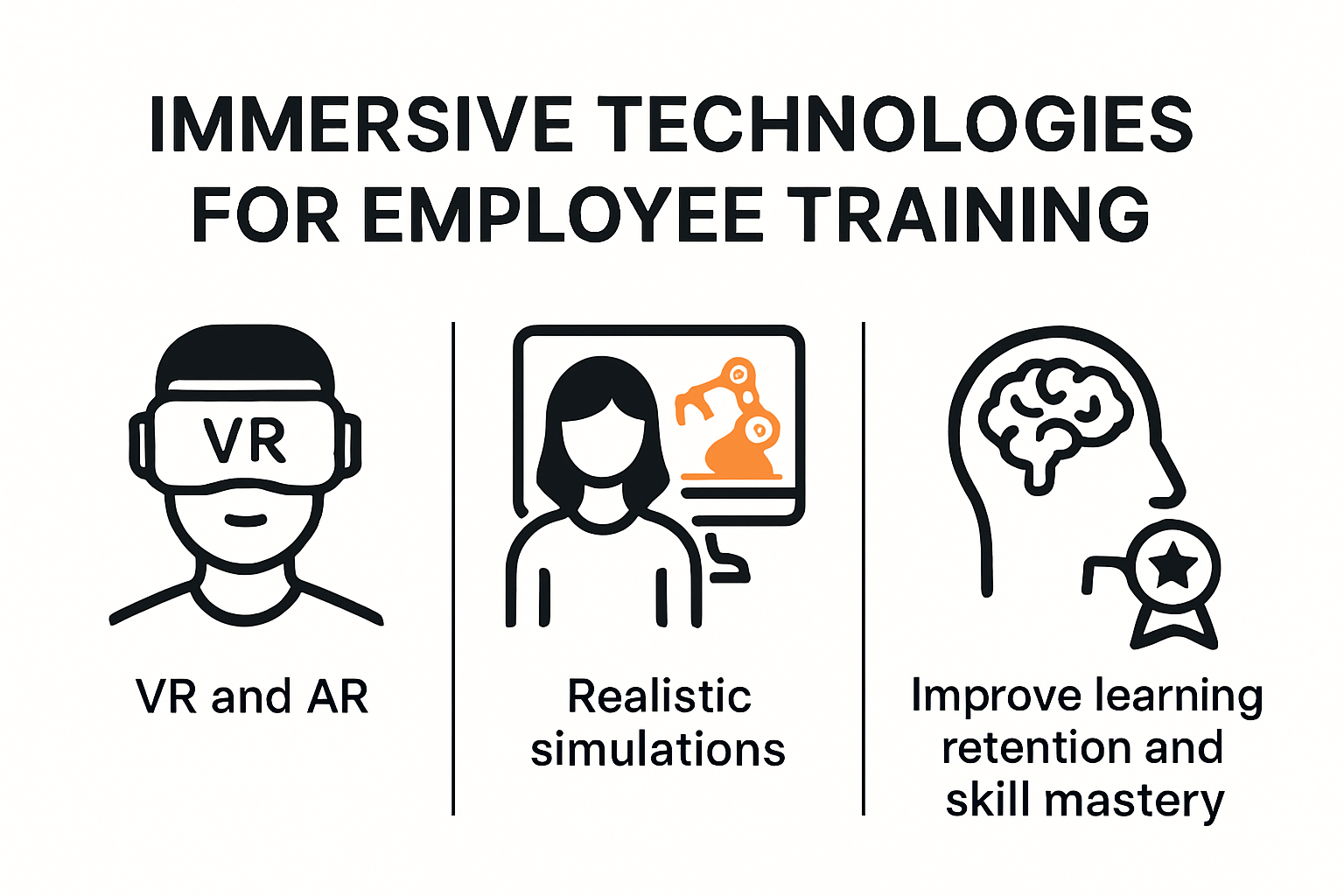
Virtual reality (VR), augmented reality (AR), and mixed reality technologies are breaking down the barriers of traditional training methods. These immersive technologies create interactive, engaging environments that allow employees to practice complex skills in realistic simulations without real-world risks. From medical training to industrial equipment maintenance, these technologies provide hands-on experience that was previously impossible or prohibitively expensive.
Companies are discovering that immersive technologies can significantly reduce training time and improve skill mastery. By creating interactive, three-dimensional learning environments, these technologies engage multiple senses, leading to better knowledge retention and more intuitive skill development. The ability to repeat complex scenarios without additional cost makes these technologies particularly valuable for high-stakes or technically demanding training programs.
Mobile and Microlearning: Training at the Speed of Business
By 2023, 98% of corporations planned to use e-learning for employee training, reflecting the critical role of mobile and microlearning technologies. These approaches break traditional training into bite-sized, easily digestible modules that employees can access anytime, anywhere. Mobile learning platforms enable just-in-time training, allowing workers to acquire knowledge precisely when they need it.
Microlearning modules—typically ranging from 3-7 minutes—are designed to fit seamlessly into modern work environments. They accommodate shorter attention spans, support continuous learning, and can be easily integrated into daily workflows. Gamification elements, interactive quizzes, and performance tracking further enhance engagement and make learning more enjoyable and effective.
The convergence of these technological advancements represents more than just a trend—it’s a fundamental reimagining of how organizations develop human capital. By leveraging artificial intelligence, immersive technologies, and flexible learning platforms, companies can create more responsive, efficient, and personalized training experiences that directly contribute to workforce productivity and organizational innovation.
Benefits Of Tech-Driven Training Programs
Technology-driven training programs have become a critical strategic asset for organizations seeking to enhance workforce capabilities, improve productivity, and maintain competitive edge in a rapidly evolving business landscape. These innovative approaches offer multifaceted benefits that extend far beyond traditional training methodologies.
Enhanced Economic Performance And Productivity
According to research, companies with formalized training programs generate 218% higher income per employee compared to organizations without structured learning initiatives. This substantial economic impact demonstrates the direct correlation between advanced training technologies and organizational performance.
IBM’s analysis reveals that every $1 invested in online training generates approximately $30 in increased productivity. This remarkable return on investment stems from faster skill acquisition, reduced training time, and more efficient knowledge transfer. Tech-driven training programs enable employees to quickly adapt to new technologies, learn complex skills, and apply knowledge more rapidly than traditional training methods.
Personalized And Scalable Learning Experiences
Technology-driven training programs offer unprecedented levels of personalization and scalability. Unlike conventional one-size-fits-all approaches, modern digital platforms can analyze individual employee performance, learning styles, and skill gaps to create tailored learning experiences. This customization ensures that each employee receives precisely the training they need to excel in their specific role.
Scalability becomes a significant advantage for organizations with distributed or global workforces. Digital training platforms can simultaneously deliver consistent, high-quality learning experiences across different geographical locations, time zones, and organizational departments. This uniformity ensures that all employees receive the same standard of training, regardless of their physical location or work environment.
Continuous Learning And Skill Adaptation
In an era of rapid technological change, continuous learning has become essential for organizational survival. Tech-driven training programs facilitate ongoing skill development by providing flexible, accessible learning resources that employees can engage with at their own pace. Microlearning modules, interactive online courses, and on-demand training content enable workers to continuously update their skills without disrupting their regular workflow.
Moreover, these advanced training technologies incorporate real-time performance tracking and analytics. Organizations can monitor employee progress, identify skill gaps, and proactively develop targeted training interventions. This data-driven approach allows companies to create dynamic, responsive learning ecosystems that evolve alongside technological advancements and changing business requirements.
The integration of technology in training programs represents more than just a technological upgrade—it’s a fundamental transformation of how organizations approach workforce development. By embracing these innovative approaches, companies can create more agile, skilled, and adaptable workforces capable of driving innovation and maintaining competitive advantage in an increasingly complex global marketplace.
Future Trends Impacting Learning & Development
The landscape of learning and development is undergoing a profound transformation, driven by emerging technologies and shifting workforce dynamics. Organizations are increasingly recognizing that traditional training approaches are no longer sufficient in a rapidly evolving global economy, necessitating innovative strategies that can adapt to unprecedented technological and economic challenges.
AI-Powered Personalized Learning Ecosystems
Research from leading learning technology experts indicates that artificial intelligence is revolutionizing personalized learning experiences. AI-powered platforms can now analyze individual learner behaviors, performance metrics, and skill gaps to create hyper-customized learning paths that adapt in real-time.
These intelligent systems go beyond generic recommendations, utilizing sophisticated algorithms to understand each employee’s unique learning style, pace, and professional development needs. By combining predictive analytics with machine learning, organizations can develop training programs that are not just reactive but proactively anticipate skill requirements and potential knowledge gaps before they become critical issues.
Immersive And Experiential Learning Technologies
Emerging technologies are transforming learning from passive consumption to active, immersive experiences. Virtual reality (VR) and augmented reality (AR) are at the forefront of this revolution, enabling learners to practice complex skills in realistic, risk-free environments. These technologies allow employees to simulate high-stakes scenarios, from medical procedures to industrial maintenance, without real-world consequences.
The decreasing costs of immersive technologies are making them increasingly accessible to organizations of all sizes. By creating interactive, three-dimensional learning experiences, these technologies engage multiple sensory inputs, leading to significantly improved knowledge retention and skill mastery. Companies can now provide training experiences that were previously impossible or prohibitively expensive, democratizing access to high-quality, experiential learning.
Skills-Based And Continuous Learning Frameworks
According to insights from Deloitte and the World Economic Forum, the future of learning and development is fundamentally shifting toward skills-based, lifelong learning models. Traditional role-based training is giving way to more fluid, adaptable approaches that prioritize continuous skill development and rapid upskilling.
This trend reflects the increasing pace of technological change and the need for workforce agility. Organizations are moving away from static, one-time training programs toward dynamic learning ecosystems that support continuous professional development. Hybrid learning models that combine digital platforms, in-person workshops, and on-the-job training are becoming the new standard, enabling employees to acquire and refresh skills throughout their careers.
The convergence of these trends represents more than technological innovation—it signifies a fundamental reimagining of how organizations develop human potential. By embracing AI-driven personalization, immersive learning technologies, and flexible skills development frameworks, companies can create more responsive, engaging, and effective learning experiences that directly contribute to individual and organizational growth.
Frequently Asked Questions
What are the benefits of technology-driven training for employees?
Technology-driven training enhances skills acquisition, provides personalized learning experiences, and improves productivity. Companies leveraging digital tools often see better performance and higher engagement among employees.
How does artificial intelligence improve employee training programs?
Artificial intelligence personalizes learning experiences by analyzing employee performance and adapting training paths in real-time, ensuring that each worker receives targeted and effective training tailored to their individual needs.
What role do immersive technologies like VR and AR play in training?
Immersive technologies such as VR and AR create realistic training environments where employees can practice complex skills without real-world risks,leading to improved knowledge retention and skill mastery.
How can organizations implement continuous learning frameworks?
Organizations can implement continuous learning frameworks by adopting skills-based training models that combine digital platforms, on-the-job training, and microlearning, ensuring employees can update their skills as needed.
Transform Your Training Experience with Peuneo
As highlighted in the article, organizations today face a pressing challenge: adapting to the technological transformation in employee training. The statistics are clear—digital simulation reaches a 100% success rate in enhancing job performance. Yet, many companies remain stuck with outdated methodologies, missing out on the benefits of personalized, tech-driven learning. At Peuneo, we understand the barriers you’re navigating and offer comprehensive solutions to address them head-on.

At Peuneo, we provide accredited training programs tailored to align with both governmental and corporate compliance needs. With our online learning portal, you can take advantage of adaptive learning techniques that mirror the advancements discussed in the article, such as AI-supported course recommendations and immersive training options. Our commitment to continuous learning ensures your team stays ahead in competency, agility, and productivity.
Don’t let outdated training methods hold you back. Visit https://peuneo.co.za to explore our diverse courses and consulting services designed to elevate your workforce today—the future of training is here, and it’s time to seize it!