


Leading a team in 2025 is a whole new game. Old-school command and control methods are fading fast. Research shows organizations with high trust cultures see 50 percent higher employee loyalty and much less turnover. That sounds impressive, right? Yet, the real surprise is that trust is now built less by authority and more by leaders who admit mistakes and invite open, even messy, conversations. If you think managing people is about having all the answers, the most effective leaders today are the ones who create psychological safety and openly say, I don’t know—let’s figure it out together.
Table of Contents
- Building Trust And Clear Communication
- Setting Goals And Defining Roles
- Motivating Team Members For Better Results
- Overcoming Common Team Leadership Challenges
Quick Summary
| Takeaway | Explanation |
|---|---|
| Build Psychological Safety | Create an environment where team members feel safe to express ideas and take risks, leading to higher productivity and engagement. |
| Implement Agile Goal Management | Move beyond traditional annual reviews to embrace real-time feedback and adaptable goals that respond to changing business landscapes. |
| Personalize Motivation Strategies | Recognize that each team member has unique motivational triggers, and tailor approaches to foster intrinsic motivation and engagement. |
| Navigate Remote and Hybrid Challenges | Develop effective digital communication protocols and virtual team-building experiences to maintain cohesion and productivity in remote settings. |
| Prioritize Leadership Well-Being | Proactively manage stress and burnout through work-life boundaries and supportive environments to cultivate resilience and innovation. |
Building Trust and Clear Communication
Leadership in 2025 demands a radical reimagining of team dynamics centered on genuine trust and transparent communication. Gone are the days of top-down management approaches. Modern teams require leaders who can create psychological safety and foster open dialogue.
Creating a Culture of Psychological Safety
Psychological safety represents the foundation of high-performing teams. When team members feel safe to express ideas, share concerns, and take calculated risks without fear of ridicule or punishment, innovation flourishes. According to MIT Sloan Management Review, teams with strong psychological safety are 12% more productive and demonstrate significantly higher engagement levels.
To build this environment, leaders must actively demonstrate vulnerability. This means admitting mistakes, showing genuine curiosity about team members’ perspectives, and creating spaces where difficult conversations can happen constructively. Authentic leadership means being transparent about challenges and uncertainties.
Mastering Communication in a Digital Era
With remote and hybrid work becoming standard, communication strategies must evolve. Gartner Research highlights that effective digital communication requires intentional, structured approaches. Leaders need to:
- Establish clear communication protocols
- Use multiple communication channels strategically
- Create regular touchpoints for team alignment
- Develop digital communication skills that convey empathy and clarity
This approach goes beyond simply using technology. It involves understanding the nuanced communication needs of diverse team members, recognizing individual communication preferences, and creating inclusive dialogue spaces.
Building Trust Through Consistent Actions
Trust is not granted automatically. It is earned through consistent, predictable behaviors that demonstrate respect, competence, and genuine care for team members. Leaders must align their actions with their words, provide regular feedback, and show unwavering commitment to team development.
Research from Deloitte indicates that organizations with high trust environments experience 50% higher employee loyalty and significantly reduced turnover rates. This means investing time in understanding individual team member motivations, supporting their professional growth, and creating an environment where everyone feels valued.
The future of leadership is not about control but about connection. By prioritizing trust, embracing transparent communication, and creating psychologically safe environments, leaders can unlock extraordinary team potential in 2025 and beyond.
Setting Goals and Defining Roles
Effective leadership in 2025 demands precision in goal setting and role definition. Teams require crystal-clear expectations and strategic alignment to navigate increasingly complex work environments. Successful leaders will transform traditional goal-setting approaches into dynamic, adaptable frameworks that empower team members.
Strategic Goal Alignment
Modern organizations need goals that are flexible yet focused. Harvard Business Review reveals that organizations with adaptive goal-setting processes are 40% more likely to successfully navigate disruptive market changes. This means moving beyond rigid annual planning to create quarterly responsive goals that can quickly adjust to emerging challenges.
Leaders must develop goals that are:
- Measurable and specific
- Aligned with broader organizational objectives
- Adaptable to changing business landscapes
- Connected to individual team member capabilities
This approach transforms goal setting from a bureaucratic exercise into a strategic collaboration that energizes team performance.
Defining Clear Role Responsibilities
Role definition in 2025 goes beyond traditional job descriptions. According to McKinsey & Company, successful teams require roles that are fluid, skill-based, and oriented toward solving complex problems.
Effective role definition involves:
- Identifying individual team member strengths
- Creating flexible job boundaries
- Establishing clear accountability mechanisms
- Enabling cross-functional collaboration
Leaders must think of roles as dynamic capabilities rather than static positions. This means continuously reassessing team member skills and creating opportunities for growth and lateral movement.
[
Implementing Agile Goal Management
Deloitte’s Global Human Capital Trends Report emphasizes that organizations need continuous performance management systems. Traditional annual reviews are obsolete. Instead, leaders should implement real-time feedback mechanisms that allow constant goal refinement and performance tracking.
Agile goal management requires:
- Regular check-ins
- Transparent progress tracking
- Immediate performance feedback
- Continuous skill development opportunities
The future of leadership is about creating an ecosystem where goals are living documents and roles are adaptable pathways for individual and collective growth. By embracing this approach, leaders can build resilient teams capable of thriving in an unpredictable business environment.
Motivating Team Members for Better Results
Motivation in 2025 requires a sophisticated understanding of human psychology and organizational dynamics. Leaders must move beyond traditional reward systems to create environments that intrinsically inspire team members to excel.
Understanding Modern Motivation Frameworks

Daniel Pink’s motivation research reveals that modern professionals are driven by three core psychological needs: autonomy, mastery, and purpose. Traditional monetary incentives are becoming less effective. Instead, leaders must design motivational strategies that tap into deeper psychological drivers.
Key motivational principles include:
- Providing meaningful work context
- Offering genuine growth opportunities
- Creating spaces for creative problem solving
- Recognizing individual contributions transparently
Intrinsic motivation emerges when team members feel their work connects to larger organizational goals and personal development trajectories.
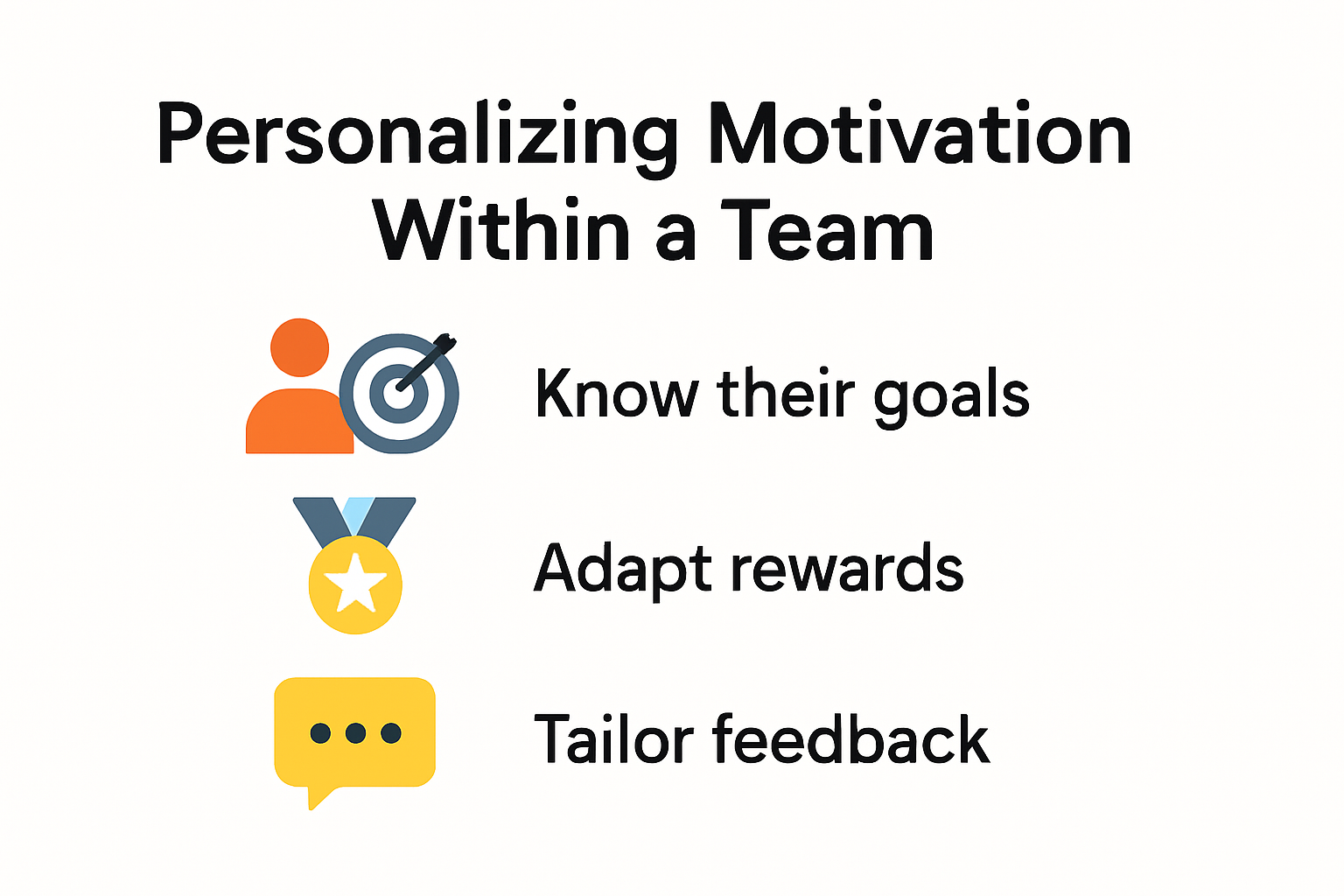
Personalized Motivation Strategies
Gallup’s workplace research demonstrates that personalized motivation approaches significantly outperform generic motivational techniques. Each team member has unique motivational triggers based on their individual strengths, career aspirations, and personal values.
Effective leaders will:
- Conduct individual motivation assessments
- Design tailored recognition programs
- Create personalized development pathways
- Match team members with projects aligned to their intrinsic interests
This approach transforms motivation from a standardized process to a nuanced, individualized experience that respects each team member’s unique potential.
Creating a High Performance Culture
Harvard Business Review suggests that high-performance cultures are built through consistent positive reinforcement, transparent feedback, and genuine investment in team member growth. Motivation is not about pushing people but creating environments where excellence becomes a natural outcome.
Building such a culture requires:
- Regular meaningful feedback
- Celebrating both small and significant achievements
- Providing continuous learning opportunities
- Demonstrating organizational commitment to individual growth
Motivation in 2025 is a holistic approach that connects individual aspirations with organizational objectives. By understanding and respecting each team member’s unique motivational landscape, leaders can create environments where high performance emerges naturally and sustainably.
The most successful leaders will be those who see motivation not as a management technique, but as a genuine commitment to human potential and organizational excellence.
Overcoming Common Team Leadership Challenges
Leadership in 2025 demands unprecedented adaptability and resilience. Modern leaders face complex challenges that require sophisticated strategies beyond traditional management approaches. Understanding and proactively addressing these challenges is critical for organizational success.
Managing Remote and Hybrid Team Dynamics
Gartner Research indicates that 82% of companies plan to maintain hybrid work models, creating significant leadership challenges. Successful leaders must develop strategies that bridge physical distance while maintaining team cohesion and productivity.
Key strategies for managing remote teams include:
- Implementing robust digital communication protocols
- Creating virtual team-building experiences
- Establishing clear performance metrics
- Developing trust through consistent virtual interactions
Digital leadership requires intentional efforts to recreate workplace connection in virtual environments. Leaders must become adept at reading digital communication nuances and creating inclusive remote experiences.
Addressing Generational and Cultural Diversity
McKinsey’s diversity research highlights that diverse teams outperform homogeneous teams by 35%. However, managing multigenerational and multicultural teams requires sophisticated interpersonal skills and deep cultural intelligence.
Effective leaders must:
- Recognize individual communication preferences
- Create inclusive decision making processes
- Understand generational work expectations
- Develop cross-cultural communication capabilities
Leadership in 2025 is about creating environments where diverse perspectives are not just tolerated but actively celebrated and leveraged for organizational innovation.
Managing Leadership Stress and Preventing Burnout
Deloitte’s leadership wellness study reveals that 61% of leaders experience significant work-related stress. Preventing leadership burnout is not just a personal health issue but a critical organizational strategy.
Proactive burnout prevention involves:
- Establishing clear work-life boundaries
- Practicing personal resilience techniques
- Creating supportive team environments
- Developing robust mental health support systems
Leaders must model sustainable work practices, demonstrating that high performance does not require constant exhaustion. By prioritizing personal and team well-being, leaders create more resilient, innovative organizational cultures.
The most successful leaders in 2025 will be those who view challenges as opportunities for growth, transformation, and collective learning. Leadership is no longer about having all the answers but about creating environments where collective intelligence can emerge and thrive.
Frequently Asked Questions
What strategies can I use to build trust with my team in 2025?
Building trust with your team involves creating a culture of psychological safety, demonstrating consistent actions that align with your words, and encouraging open communication. Leaders should actively admit mistakes and foster an environment where team members feel safe expressing their ideas.
How should I approach goal setting in a modern team environment?
In 2025, effective goal setting should be adaptable and aligned with broader organizational objectives. Focus on creating measurable and specific quarterly goals that can respond to changing business landscapes, rather than sticking to rigid annual plans.
What are the key elements for motivating team members in today’s workplaces?
To motivate team members effectively, understand their individual psychological needs for autonomy, mastery, and purpose. Personalize motivation strategies by recognizing unique triggers for each member and provide meaningful work experiences that align with their interests and values.
How can I address the challenges of leading a remote or hybrid team?
Managing a remote or hybrid team requires robust digital communication protocols, regular virtual team-building experiences, and clear performance metrics. Leaders should focus on maintaining team cohesion through consistent and empathetic digital interactions.
Elevate Your Leadership Skills with Peuneo
Leading a team effectively in 2025 requires more than traditional methods; it calls for creating a culture of psychological safety, mastering digital communication, and implementing agile goal management. Are you ready to tackle these modern leadership challenges? At Peuneo, we specialize in skills development and training that empowers leaders like you to foster trust, adapt to change, and inspire your teams.
!
Take the first step toward extraordinary leadership today! Our online learning portal offers accredited courses that equip you with essential strategies drawn from the latest research, enabling you to transform your organization. Whether you’re looking for personalized consulting or structured training programs tailored to your team’s needs, visit https://peuneo.co.za and discover how you can lead with confidence and agility. Don’t wait—invest in your growth NOW and unlock your team’s full potential!