

Building a high-performing team goes beyond hiring skilled people. Here’s what changes everything. Teams that assign tasks around individual strengths are actually 1.5 times more likely to exceed their goals. Most leaders think results hinge on processes or tools. The secret is in how you shape team culture, roles, and the daily connections between people. What happens when you rethink how your team works together? The answer will change how you measure team success in 2025.
Table of Contents
- Building A Strong Team Culture
- Effective Communication And Collaboration Tools
- Setting Clear Goals And Roles
- Measuring And Sustaining Performance Improvements
Quick Summary
| Takeaway | Explanation |
|---|---|
| Defining Core Values and Shared Purpose | Embedding core values into daily operations fosters a meaningful mission that enhances team motivation and collaboration. |
| Digital Platforms for Global Team Connectivity | Utilizing robust digital infrastructure is essential for seamless communication and project management across geographically dispersed teams. |
| The SMART Framework for Goal Setting | Implementing SMART goals transforms vague aspirations into actionable strategies, enabling teams to track progress effectively. |
| Addressing Performance Management Trust Gaps | Establishing transparent evaluation criteria and providing constructive feedback can help bridge trust gaps in performance management processes. |
| Continuous Improvement and Adaptive Strategies | Sustaining performance improvements requires regular assessments, adaptive goal-setting, and personalized development plans to ensure long-term success. |
Building a Strong Team Culture
Creating a robust team culture goes beyond simple workplace interactions. It represents the fundamental heartbeat of organizational success, driving performance, engagement, and collective achievement. A strong team culture transforms individual contributors into a unified, motivated workforce capable of overcoming complex challenges.
Defining Core Values and Shared Purpose
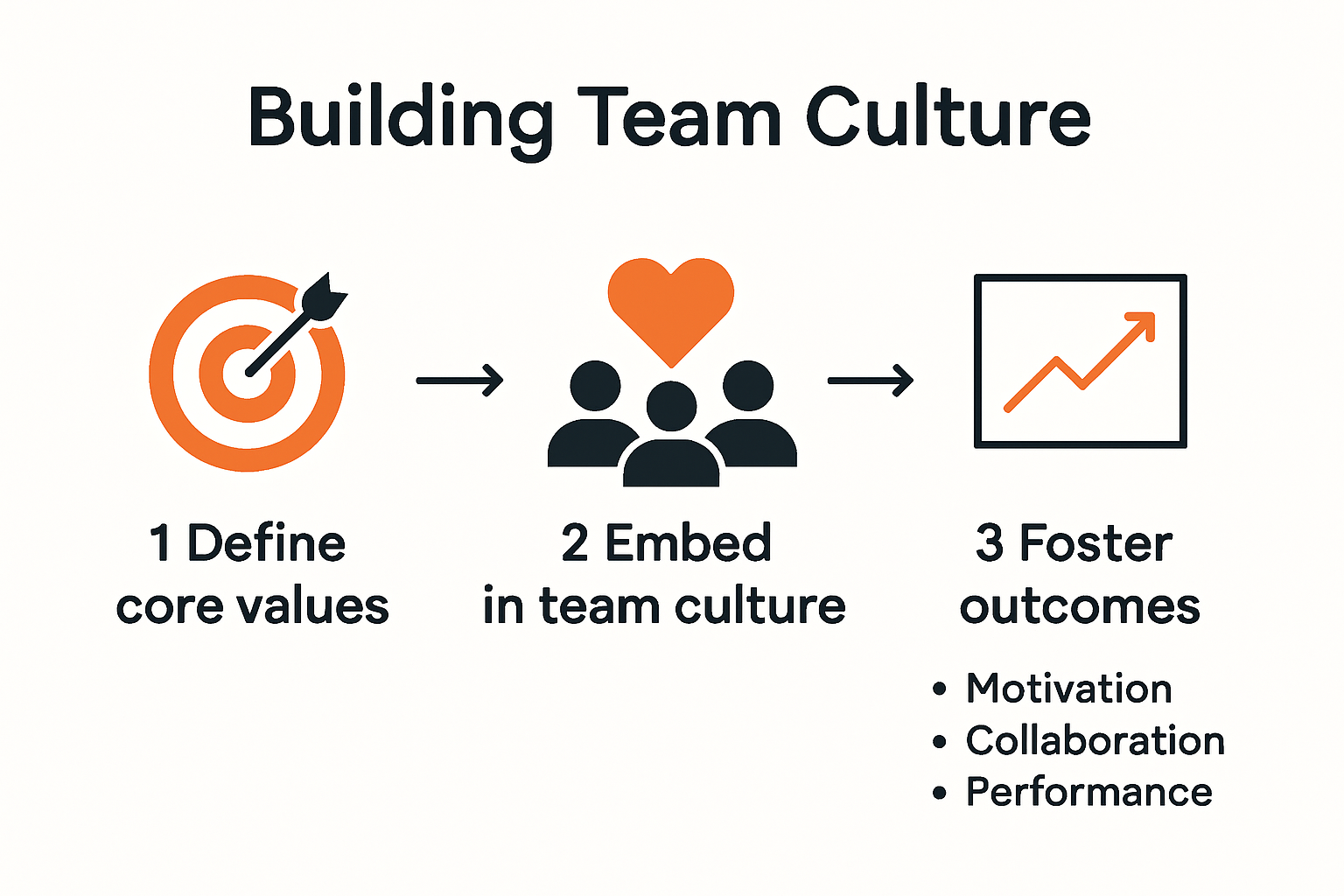
Core values are not just words on a wall. They are the guiding principles that define how team members interact, make decisions, and approach work. Organizational identity emerges when these values become more than abstract concepts. According to research from Anton Gunn, embedding core values into daily operations—such as revisiting a specific value at the start of each team meeting—helps bring organizational values to life.
Teams that understand and genuinely connect with their shared purpose demonstrate significantly higher levels of motivation and collaboration. This means moving beyond profit margins to articulate a meaningful mission that resonates with each team member’s individual aspirations and professional goals.
Cultivating Supportive Relationships
Relationships form the foundation of exceptional team performance. Building strong, supportive connections among colleagues requires intentional effort and strategic approaches. Our comprehensive guide on team building techniques provides deeper insights into creating meaningful team interactions.
According to research from Wellness360, team-building activities and social events play a crucial role in fostering a collaborative and positive work culture. These interactions help break down hierarchical barriers, encourage open communication, and create shared experiences that transcend typical work responsibilities.
Leadership and Empathetic Communication
Effective team culture cannot exist without empathetic leadership. Leaders who practice active listening, demonstrate genuine respect, and communicate transparently create environments where team members feel valued and understood. This approach goes beyond traditional management techniques, focusing on human connection and individual potential.
Empathetic leadership boosts morale, strengthens team cohesion, and directly impacts overall performance. By showing vulnerability, acknowledging team members’ contributions, and creating safe spaces for honest dialogue, leaders can transform workplace dynamics from transactional to genuinely collaborative.
Building a strong team culture is an ongoing journey that requires consistent commitment, self-reflection, and adaptability. It demands intentional strategies, authentic leadership, and a genuine commitment to creating an environment where every team member can thrive and contribute meaningfully to collective success.
Effective Communication and Collaboration Tools
In the rapidly evolving workplace of 2025, communication and collaboration tools have become the lifeline of team performance. Modern organizations require sophisticated digital platforms that transcend traditional communication barriers, enabling seamless interaction across diverse work environments.
Digital Platforms for Global Team Connectivity
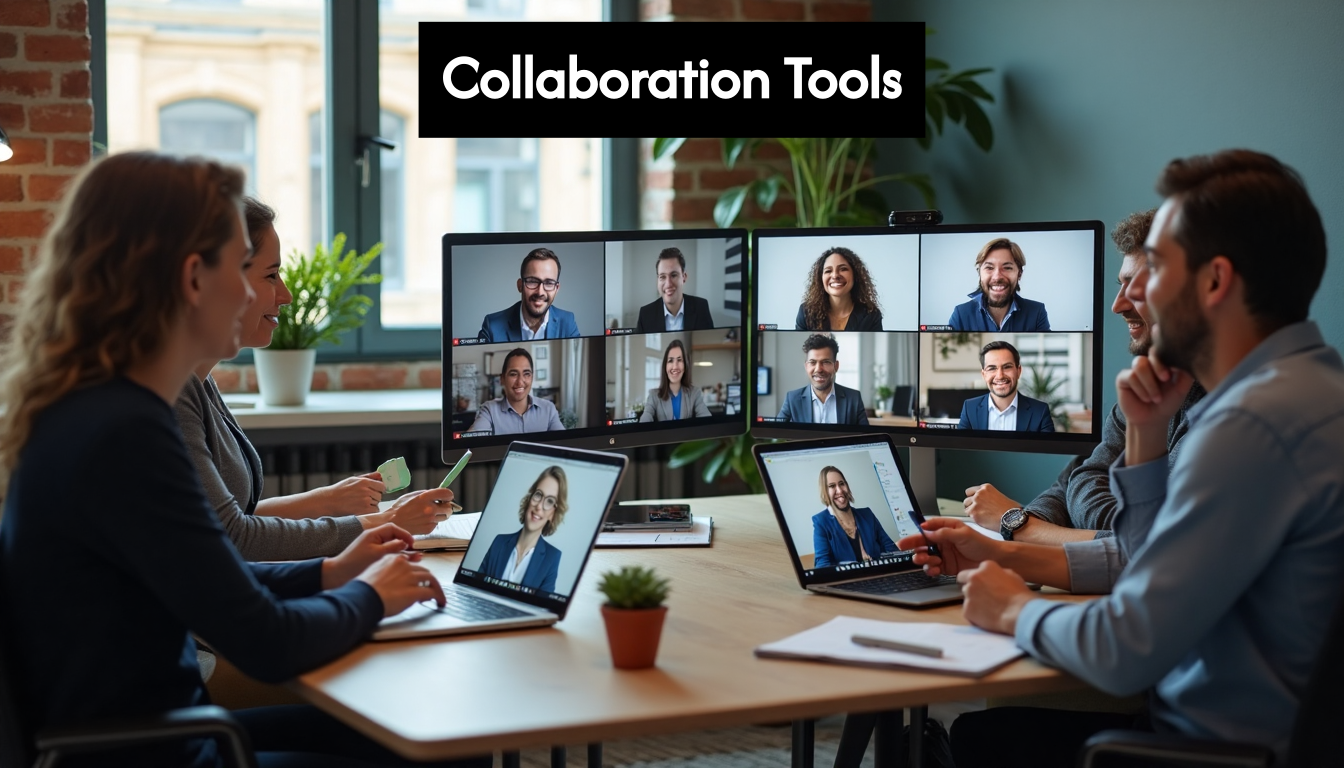
Managing teams across different geographical locations demands robust digital infrastructure. According to research from Northwest Education, utilizing common digital platforms is essential for ensuring team members remain connected and aligned regardless of physical location. These tools go beyond simple messaging systems, offering integrated solutions that support real-time collaboration, project tracking, and transparent communication.
Our comprehensive team building guide highlights the importance of selecting platforms that not only facilitate communication but also enhance team dynamics. Advanced collaboration tools now incorporate features like virtual whiteboards, integrated task management, and AI-driven insights that help teams work more efficiently.
AI-Driven Assessment and Skills Alignment
Modern collaboration tools are increasingly powered by artificial intelligence, transforming how teams identify and bridge skills gaps. Research from Verified indicates that 70% of business leaders report skills gaps as a significant barrier to innovation and growth. AI-driven platforms now offer sophisticated skills assessment capabilities, enabling organizations to:
- Identify skill deficiencies in real-time
- Recommend targeted training interventions
- Match team members with complementary skills
- Create dynamic, adaptable team structures
Gamification and Interactive Collaboration
The future of team collaboration extends beyond traditional communication methods. According to Meraki Talent research, regular use of gamified virtual experiences significantly improves team performance and retention, particularly in hybrid and remote work environments. These interactive tools transform mundane tasks into engaging challenges, fostering a sense of collective achievement and maintaining team motivation.
Effective communication and collaboration tools are no longer optional but critical infrastructure for high-performing teams. By embracing advanced digital platforms that prioritize connectivity, skills development, and interactive engagement, organizations can create dynamic work environments that adapt quickly to changing business landscapes.
The key lies not just in selecting the right tools, but in creating a culture that embraces technological innovation and values continuous learning and collaborative excellence.
Setting Clear Goals and Roles
Successful team performance hinges on crystal-clear goals and well-defined roles. Without precise direction and understanding of individual responsibilities, teams can quickly become inefficient, disengaged, and unproductive. Strategic goal setting and role assignment are not just administrative tasks but critical drivers of team performance and organizational success.
The SMART Framework for Goal Setting
Establishing effective goals requires more than vague aspirations. According to research from AIHR, implementing SMART goals provides a structured approach to performance management. SMART goals are:
- Specific: Clearly defined and unambiguous
- Measurable: Quantifiable with concrete criteria
- Achievable: Realistic and attainable
- Relevant: Aligned with broader organizational objectives
- Time-bound: Having clear deadlines and timeframes
Our project management insights emphasize that this framework transforms abstract objectives into actionable strategies. By breaking down complex goals into manageable components, teams can track progress, maintain motivation, and adapt quickly to changing circumstances.
Matching Talent to Tasks
Research from Mirorim reveals a powerful insight: teams that strategically assign tasks based on individual strengths are 1.5 times more likely to exceed their goals. This approach goes beyond traditional role assignments, focusing on understanding each team member’s unique capabilities, skills, and potential.
Effective role allocation involves:
- Conducting comprehensive skills assessments
- Understanding individual team member’s strengths
- Creating flexible role definitions
- Encouraging cross-functional skill development
- Providing opportunities for growth and learning
Continuous Feedback and Role Refinement
Role clarity is not a one-time event but an ongoing process. According to performance management experts, combining clearly defined responsibilities with regular feedback creates a dynamic environment of continuous improvement. This approach ensures that roles remain relevant, team members feel valued, and organizational objectives are consistently met.
Key strategies for maintaining role clarity include:
- Regular performance reviews
- Open communication channels
- Transparent goal-tracking mechanisms
- Periodic role reassessment
- Encouraging individual and team reflection
Setting clear goals and roles is a nuanced art that requires strategic thinking, empathy, and adaptability. By implementing robust goal-setting frameworks, matching talent to tasks, and maintaining open communication, organizations can create high-performing teams that are not just productive, but genuinely engaged and motivated to excel.
Measuring and Sustaining Performance Improvements
Performance measurement is more than a routine administrative task. It represents a critical strategic approach that transforms raw data into actionable insights, driving continuous organizational improvement and team effectiveness. In 2025, successful performance management requires sophisticated, transparent, and dynamic measurement strategies.
Data-Driven Performance Metrics
Research from Thrive Sparrow reveals a compelling insight: organizations implementing real-time performance metrics and continuous feedback models achieve double-digit improvements in employee productivity. These data-driven approaches go beyond traditional annual reviews, creating a more responsive and adaptive performance management ecosystem.
Our comprehensive guide on employee performance management highlights the importance of selecting meaningful key performance indicators (KPIs) that align with both individual and organizational objectives. Effective metrics should be:
- Quantifiable: Capable of precise measurement
- Relevant: Directly connected to strategic goals
- Timely: Providing real-time or near-real-time insights
- Actionable: Offering clear pathways for improvement
Addressing Performance Management Trust Gaps
According to Deloitte’s 2025 Global Human Capital Trends survey, a significant trust deficit exists in current performance management processes. The survey revealed that 61% of managers and 72% of workers do not trust their organization’s performance evaluation methods. This trust gap underscores the critical need for transparent, fair, and meaningful performance measurement approaches.
Key strategies for building trust in performance management include:
- Establishing clear, objective evaluation criteria
- Providing regular, constructive feedback
- Ensuring transparency in assessment processes
- Connecting individual performance to broader organizational goals
- Creating opportunities for employee input and self-assessment
Continuous Improvement and Adaptive Strategies
Research from Reportz confirms that the SMART framework remains the global standard for setting effective KPIs in 2025. This approach ensures that performance improvements are not just momentary achievements but sustainable, long-term transformations.
Sustaining performance improvements requires a holistic approach that combines:
- Regular performance assessments
- Personalized development plans
- Adaptive goal-setting mechanisms
- Continuous learning opportunities
- Recognition and reward systems aligned with performance metrics
Measuring and sustaining performance improvements is an intricate dance of data, strategy, and human potential. By embracing transparent, data-driven approaches that prioritize trust, continuous learning, and individual growth, organizations can create dynamic performance management systems that not only track progress but actively drive exceptional team performance.
The future of performance management lies not in rigid evaluation systems, but in creating flexible, supportive environments that empower individuals to reach their full potential while contributing meaningfully to organizational success.
Frequently Asked Questions
How can I improve my team’s performance in 2025?
Improving team performance in 2025 involves defining core values, fostering supportive relationships, setting clear goals using the SMART framework, and leveraging effective communication tools. By aligning tasks with individual strengths and promoting a positive team culture, you can significantly enhance overall performance.
What are the best tools for team communication and collaboration?
The best tools for team communication and collaboration in 2025 include digital platforms that support real-time interaction, project tracking, and AI-driven insights. Tools that integrate gamification features can also improve engagement and motivation for hybrid or remote teams.
Why is empathetic leadership important for team success?
Empathetic leadership is crucial for team success as it fosters an environment where team members feel valued and understood. Leaders who practice active listening and transparent communication build trust, boost morale, and strengthen team cohesion, ultimately driving better performance.
How do I effectively measure team performance?
Effectively measuring team performance involves using data-driven metrics that are quantifiable, relevant to your goals, and provide real-time insights. Establishing transparent evaluation criteria and regular feedback mechanisms can help create a culture of continuous improvement and trust.
Transform Theory Into Real Team Performance Gains with Peuneo
Is your team struggling to turn clear goals and strong culture into real-world results? The article highlighted how vague objectives, misaligned roles, and skills gaps can quietly drain motivation and stall performance. These challenges are not just concepts—they are daily frustrations that cost you growth and progress.

Take the next step by putting expert strategies into action with help from Peuneo. Experience tailored training, accredited development programs, and hands-on consulting designed for South African businesses. Whether you need to build team purpose, align talent with tasks, or launch continuous improvement plans, Peuneo’s online platform offers solutions that drive results. Visit Peuneo today to unlock your team’s potential and see measurable performance improvement before your competitors do.