


Building strong relationships with your team is essential in today’s fast-paced work environment. Managers often think leadership is just about instructions, but surprisingly, that’s only half the story. The real magic happens when you foster genuine connections, creating trust and collaboration among team members. Did you know that teams with high levels of trust see 21% greater profitability? This shows that engaging with your team on a human level not only enforces the work culture but significantly boosts the bottom line. Embracing this approach can transform your management style into a powerful catalyst for success.
Table of Contents
- Building Strong Relationships With Your Team
- Communicating Clearly And Setting Expectations
- Empowering Employees And Delegating Tasks
- Providing Constructive Feedback And Support
Quick Summary
| Takeaway | Explanation |
|---|---|
| Building Trust and Open Communication | Establish a culture where team members feel safe to share ideas and concerns through transparency, active listening, and genuine interest in their development. |
| Effective Delegation and Empowerment | Strategically match tasks to individual strengths and provide autonomy, support, and clear objectives to enhance job satisfaction and promote professional growth. |
| Implementing Constructive Feedback | Deliver specific, actionable feedback in a supportive culture, focusing on behaviors and development pathways to foster continuous improvement and employee engagement. |
Building Strong Relationships With Your Team
Building strong relationships with your team is more than just a management strategy—it’s the fundamental cornerstone of organizational success. Effective management techniques require a nuanced approach that goes beyond traditional hierarchical interactions, focusing instead on creating genuine connections, mutual respect, and collaborative environments.
Creating a Culture of Trust and Open Communication
Trust forms the bedrock of any high-performing team. Research indicates that teams collaborate best in a culture where members feel psychologically safe to share ideas and voice concerns. This means creating an environment where vulnerability is not weakness, but a strength that drives innovation and collective problem-solving.
To establish this trust, managers must consistently demonstrate transparency, actively listen to team members, and respond with empathy. This involves more than just hearing words—it’s about understanding the underlying emotions and perspectives behind those words. Practical strategies include:
- Holding regular one-on-one meetings
- Providing constructive, balanced feedback
- Acknowledging team members’ contributions publicly
- Showing genuine interest in their professional development
Fostering Knowledge Sharing and Collective Growth
Effective management techniques recognize that team growth is a collective journey. Companies prioritizing knowledge-sharing sessions see significant returns in both engagement and organizational learning. These sessions are not just about transferring information—they’re about creating opportunities for team members to feel valued and heard.
Implementing structured knowledge-sharing can look like:
- Monthly cross-department learning workshops
- Peer mentorship programs
- Collaborative project retrospectives
- Encouraging team members to present their expertise
Balancing Professional Expectations with Personal Needs
Modern workplace management requires understanding that team members are whole people, not just resources. 89 percent of employees expect employers to support work-life balance, making empathy a critical management technique. This means recognizing individual circumstances, offering flexible working arrangements, and understanding that personal well-being directly impacts professional performance.
Leaders who excel at relationship-building understand that effective management is about connection, not just direction. They create environments where team members feel respected, supported, and motivated to contribute their best work. By investing in genuine relationships, managers transform traditional workplace dynamics into collaborative, high-trust ecosystems that drive innovation and sustainable success.
Communicating Clearly and Setting Expectations
Communicating clearly and setting precise expectations are fundamental management techniques that transform potential workplace confusion into streamlined, purposeful collaboration. In an era of complex organizational dynamics, managers must master the art of conveying information with clarity, transparency, and strategic intent.
Establishing Precise Communication Frameworks
Research indicates that 86% of employees identify ineffective communication as a critical workplace challenge. Effective management techniques demand a structured approach to communication that goes beyond mere information transmission. This means creating standardized communication channels while maintaining a personalized touch that resonates with individual team members.
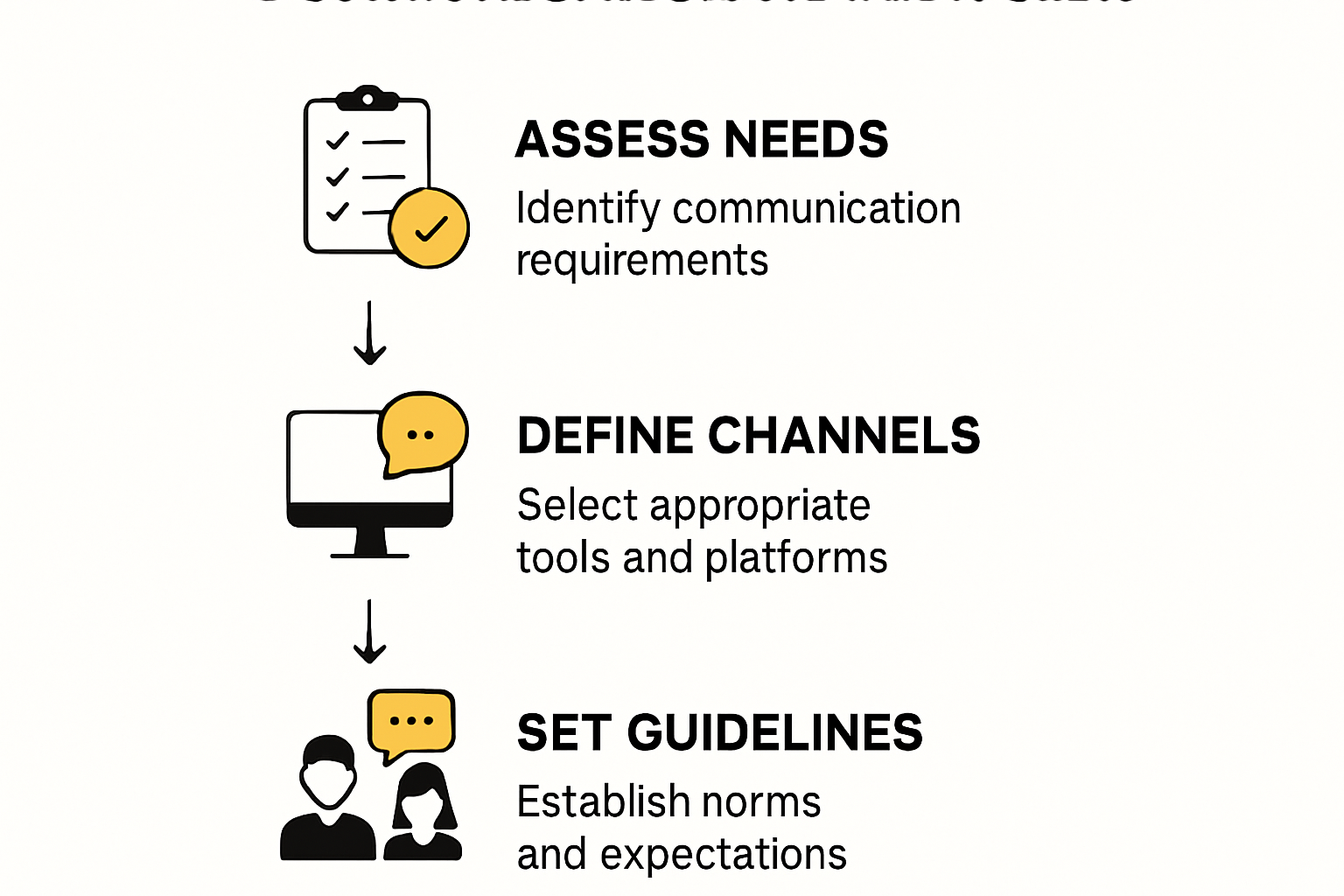
Successful communication frameworks involve:
- Defining clear communication protocols
- Selecting appropriate communication platforms
- Establishing regular check-in schedules
- Creating transparent information-sharing mechanisms
Managers must recognize that communication is not a one-size-fits-all process. Different team members may require varied communication styles, whether they are desk-based or non-desk employees. Studies show significant disparities in how different employee groups perceive organizational communication, with non-desk employees feeling less informed compared to their desk-based counterparts.
Aligning Expectations with Organizational Goals
Setting clear expectations is more than listing tasks—it’s about connecting individual responsibilities to broader organizational objectives. Successful management communication requires helping employees understand the “why” behind their work, which significantly enhances motivation and reduces workplace uncertainty.
Key strategies for expectation alignment include:
- Providing comprehensive context for assignments
- Breaking down complex objectives into measurable milestones
- Regularly reviewing and adjusting performance expectations
- Maintaining transparency about organizational priorities
Implementing Effective Feedback Mechanisms

Effective management techniques recognize that communication is a two-way process. Implementing robust feedback mechanisms allows managers to not only communicate expectations but also understand team dynamics, individual challenges, and potential improvement areas.
Constructive feedback should be:
- Specific and actionable
- Balanced between positive reinforcement and constructive critique
- Timely and consistent
- Focused on professional growth
By mastering these communication techniques, managers create an environment of trust, clarity, and continuous improvement. Clear communication becomes more than a management skill—it transforms into a strategic tool that drives organizational effectiveness, employee engagement, and collective success.
Empowering Employees and Delegating Tasks
Empowering employees and delegating tasks effectively are critical management techniques that transform workplace dynamics from hierarchical command structures to collaborative, high-performance ecosystems. Successful managers understand that true empowerment goes beyond assigning work—it’s about creating an environment where team members feel trusted, capable, and motivated to excel.
Strategic Delegation and Autonomy
Research demonstrates that granting employees independence and flexible work options significantly enhances job satisfaction and engagement. Effective management techniques recognize that delegation is not about offloading tasks, but strategically distributing responsibilities that align with individual strengths, skills, and professional development goals.
Key principles of strategic delegation include:
- Matching tasks to employee skill sets and career aspirations
- Providing clear objectives and expected outcomes
- Offering necessary resources and support
- Establishing checkpoints without micromanaging
Successful delegation requires managers to relinquish complete control and trust their team’s capabilities. This approach not Gonly distributes workload efficiently but also demonstrates confidence in team members’ potential, which can dramatically boost motivation and personal investment.
Continuous Learning and Skill Development
Empowerment is intrinsically linked to professional growth. Investing in continuous learning opportunities through workshops, online courses, and mentorship programs equips employees to excel and fosters a culture of ongoing development.
Effective managers create structured pathways for skill enhancement by:
- Identifying individual learning needs
- Providing access to training resources
- Encouraging cross-functional knowledge sharing
- Supporting professional certification programs
These initiatives signal to employees that the organization values their long-term professional trajectory, not just immediate productivity. By positioning learning as a collaborative journey, managers transform skill development from a mandatory requirement into an exciting opportunity for personal and collective advancement.
Creating a Culture of Trust and Accountability
True empowerment transcends task delegation—it’s about cultivating an environment where team members feel genuinely responsible for outcomes. This means establishing clear expectations while simultaneously providing the autonomy to achieve objectives through individual and collective creativity.
Building a culture of trust and accountability involves:
- Setting transparent performance metrics
- Celebrating both successes and constructive failures
- Encouraging innovative problem-solving approaches
- Providing meaningful, timely feedback
Managers who excel at these effective management techniques understand that empowerment is not about relinquishing leadership but reimagining it. By treating employees as partners rather than subordinates, they unlock unprecedented levels of creativity, commitment, and collective achievement.
The most successful organizations recognize that empowerment is not a one-time event but a continuous, dynamic process of mutual respect, trust, and collaborative growth.
Providing Constructive Feedback and Support
Constructive feedback is a cornerstone of effective management techniques, transforming potential criticism into meaningful opportunities for professional growth and organizational development. Modern managers understand that feedback is not about pointing out failures, but about creating pathways for continuous improvement and personal empowerment.
The Art of Delivering Meaningful Feedback
Research indicates that providing regular and constructive feedback creates more meaningful work experiences by fostering mastery, impact, and connection. Effective managers recognize that feedback is a nuanced communication tool that requires careful preparation, empathy, and strategic delivery.
Key principles of delivering constructive feedback include:
- Focusing on specific behaviors, not personal characteristics
- Using a balanced approach of positive reinforcement and improvement suggestions
- Ensuring feedback is timely and contextually relevant
- Creating a safe, non-judgmental communication environment
Effective feedback in modern organizations must be educational in nature, addressing unacceptable practices while offering clear paths to improvement. This means moving beyond simple criticism to providing actionable insights that empower employees to grow and develop.
Establishing a Supportive Feedback Culture
Building a robust feedback ecosystem requires more than occasional performance reviews. HR strategies for 2025 emphasize creating a culture of open, two-way communication between managers and employees.
Strategies for developing a supportive feedback culture include:
- Implementing regular check-in meetings
- Creating multiple feedback channels
- Training managers in effective communication techniques
- Encouraging peer-to-peer feedback mechanisms
- Normalizing feedback as a growth opportunity
Transforming Feedback into Personal Development
Constructive support goes beyond verbal communication. It involves creating comprehensive support systems that help employees translate feedback into tangible professional development. This means providing resources, mentorship, and clear developmental pathways that demonstrate the organization’s commitment to individual growth.
Effective support mechanisms include:
- Personalized development plans
- Access to training and learning resources
- Mentorship programs
- Clear career progression frameworks
- Opportunities for skill expansion
Managers who excel at providing constructive feedback understand that true support is about empowerment, not control. By creating an environment where feedback is seen as a collaborative tool for mutual growth, organizations can unlock unprecedented levels of employee potential, engagement, and organizational effectiveness.
Ultimately, constructive feedback is not about highlighting shortcomings—it’s about illuminating paths to excellence, fostering a culture of continuous learning, and helping each team member realize their full professional potential.
Frequently Asked Questions
What are effective management techniques for 2025?
Effective management techniques for 2025 focus on building strong relationships, fostering trust, empowering employees, and implementing clear communication frameworks. By prioritizing collaboration and personal development, managers can enhance team performance and overall organizational success.
How can managers build trust within their teams?
Managers can build trust by creating a culture of open communication, demonstrating transparency, actively listening to team members, and showing genuine interest in their development. Regular one-on-one meetings and public acknowledgment of contributions also help strengthen relationships.
What role does feedback play in effective management?
Feedback is essential in effective management as it fosters continuous improvement and personal growth. Constructive feedback should be specific, actionable, and delivered in a supportive environment. Regular feedback mechanisms enhance employee engagement and help align individual performance with organizational goals.
How can leaders empower their employees effectively?
Leaders can empower employees by strategically delegating tasks based on individual strengths, providing autonomy in their roles, and offering continuous learning opportunities. Creating a culture of trust and accountability further encourages employees to take ownership of their work.
Elevate Your Management Skills with Peuneo!
Are you ready to transform your management techniques and build stronger relationships within your team? The article “Essential Effective Management Techniques for 2025” highlights the critical need for trust, open communication, and empowerment in today’s fast-paced corporate landscape. Managers face the challenge of balancing professional expectations with their team’s personal needs—an endeavor that can feel overwhelming without the right tools and training.

At Peuneo, we specialize in addressing these challenges head-on. Our accredited training programs focus on developing essential management skills that foster collaborative cultures and enhance employee engagement. With our online learning portal, you can now access a variety of courses specifically designed to help you strategically empower your team and implement effective feedback systems that resonate.
Don’t wait! Strengthen your leadership capabilities and position your organization for success by visiting us at https://peuneo.co.za. Enroll today and take the first step towards creating a trusting, dynamic team environment that drives results!