

Project management is evolving quickly, and mastering its best practices is critical for success. In 2025, the landscape will be shaped not only by new tools and techniques but also by a deeper understanding of fundamental principles that drive outcomes. But here’s the kicker: many organizations invest heavily in digital solutions only to neglect the human element of project management. Surprisingly, teams that engage stakeholders early experience a staggering 24% higher project success rate. This emphasizes that it’s not just about the technology; it’s about how we collaborate and communicate that truly defines project success.
Table of Contents
- Essential Project Management Principles
- Effective Project Planning Techniques
- Leveraging Digital Tools Effectively
- Risk Management And Team Communication
Quick Summary
| Takeaway | Explanation |
|---|---|
| Clear Vision and Defined Objectives | Establishing a well-defined vision and measurable objectives using the SMART framework ensures clarity and alignment throughout the project, preventing resource waste. |
| Comprehensive Stakeholder Engagement | Early and continuous involvement of stakeholders, including tailored communication strategies, enhances project success rates by fostering collaboration and understanding of expectations. |
| Proactive Risk Management | Early identification of potential risks, coupled with strategies like pre-mortem analysis, prepares teams for uncertainties, allowing for swift mitigation and contingency planning. |
| Integrated Tool Ecosystems | Leveraging connected digital tools that allow seamless information flow is crucial for enhancing visibility and decision-making in project management. |
| Continuous Improvement | Regular learning opportunities from retrospectives and post-implementation reviews help refine project management practices over time, driving organizational growth. |
Essential Project Management Principles
Successful project management isn’t just about following processes—it’s about embracing fundamental principles that guide these practices. These essential tenets form the backbone of effective project management, regardless of methodology or industry.

Clear Vision and Defined Objectives
Every successful project starts with clarity. A well-defined vision serves as the north star, while specific, measurable objectives create the roadmap. Without these foundations, projects drift and resources are wasted.
According to The Project Group’s 2025 Trend Analysis, “Neither purely traditional nor purely agile approaches fit all situations. A tailored mix—hybrid project management—lets teams react flexibly to new requirements while maintaining planning reliability.” This insight underscores why flexibility in approach must be balanced with unwavering clarity in goals.
Effective project managers document objectives using the SMART framework (Specific, Measurable, Achievable, Relevant, Time-bound), ensuring everyone understands what success looks like and how it will be measured.
Comprehensive Stakeholder Engagement
Projects don’t exist in isolation—they serve stakeholders whose buy-in is crucial for success. Best practices for project management now emphasize early and continuous stakeholder involvement.
Research shows that stakeholder engagement practices such as regular feedback loops have resulted in a 24% higher project success rate compared to teams not employing such practices. This significant difference highlights why modern project management practices prioritize stakeholder communication.
Effective engagement includes:
- Identifying all stakeholders (including indirect ones)
- Understanding their expectations and concerns
- Developing tailored communication strategies
- Establishing regular feedback mechanisms
Risk Management and Adaptability
Uncertainty is inevitable in projects. Rather than hoping risks won’t materialize, good project management practices embrace proactive risk management. This involves identifying potential issues early, developing mitigation strategies, and creating contingency plans.
One emerging best practice is the pre-mortem analysis—actively identifying reasons for possible project failure before execution begins. This approach has become increasingly important as projects grow more complex and interdependent.
Resource Optimization
Project managers must be skilled stewards of resources, including time, budget, personnel, and materials. This principle goes beyond simply tracking expenditures—it involves strategic allocation that maximizes value delivery.
In 2025’s project management landscape, resource optimization increasingly means breaking down data silos. Organizations that integrate disparate data sources can reduce operational costs by up to 30%, demonstrating the tangible benefits of connected project information.
Project management good practices include regular resource reviews, reallocating as needed to address changing priorities or unexpected challenges. The best project managers find the balance between adequate resourcing and wasteful over-allocation.
Continuous Improvement
Finally, project management is not a static discipline. Each project offers learning opportunities that should be systematically captured and applied. Retrospectives, post-implementation reviews, and lessons-learned sessions aren’t just formalities—they’re essential practices that drive organizational growth.
The principle of continuous improvement applies not only to project outcomes but to the project management practices themselves. As technologies evolve and business environments change, so too must the approaches used to deliver successful projects.
Effective Project Planning Techniques
Project planning sets the foundation for project success. When done properly, it creates clarity, builds confidence, and dramatically increases the likelihood of meeting objectives. Let’s explore the most effective project planning techniques that represent best practices for project management in 2025.
Multi-Level Planning Approach
Modern project planning has evolved beyond simple task lists. Today’s best practice involves a multi-level approach that provides both high-level direction and granular execution details.
Multi-level scheduling has become essential for managing complex projects, with master schedules, detailed plans, and execution-level timelines interconnected for streamlined coordination. This hierarchical approach allows senior stakeholders to focus on milestones while team members can drill down into daily tasks.
A typical multi-level plan includes:
- Strategic level (project charter and goals)
- Tactical level (phases, deliverables, and resources)
- Operational level (individual tasks and responsibilities)
This approach prevents the common mistake of diving straight into task details without establishing the broader context and strategic alignment first.
Work Breakdown Structures
The Work Breakdown Structure (WBS) remains the backbone of solid project planning. This technique deconstructs the full scope of work into manageable components, creating a visual and logical hierarchy of deliverables.
Unlike simple task lists, a well-crafted WBS follows the 100% rule—the sum of work at each level must represent 100% of the work in the level above. This prevents scope gaps that frequently cause project delays and budget overruns.
Project managers should develop the WBS collaboratively with team members and subject matter experts. This not only improves accuracy but also builds team buy-in from the start.
Pre-Mortem Analysis
One of the most powerful yet underutilized planning techniques is the pre-mortem analysis. Unlike traditional risk assessments that identify what might go wrong, pre-mortems ask team members to imagine the project has already failed and work backward to determine causes.
According to research on project management best practices, pre-mortem analysis has become a standard practice for strengthening planning and risk mitigation before execution begins. This technique leverages the team’s collective experience to identify blind spots in the plan.
The process is simple but effective:
- Gather the project team and key stakeholders
- Ask everyone to imagine the project has failed
- Have each person write down reasons for the failure
- Discuss these potential failure points
- Revise the project plan to address identified vulnerabilities
Resource-Constrained Scheduling
While traditional scheduling focuses on sequencing activities, resource-constrained scheduling acknowledges the reality that resources are finite. This technique ensures plans remain realistic by accounting for resource availability, preventing the common pitfall of over-optimistic timelines.
Organizations with effective resource planning report improved scalability and agility, supporting more than 70% faster response times to market or project changes. This significant improvement demonstrates why resource-aware planning has become a cornerstone of project management good practices.
To implement resource-constrained scheduling:
- Identify all required resources (people, equipment, facilities)
- Document availability constraints and competing demands
- Level resources across the schedule to prevent overallocation
- Establish resource buffers for critical path activities
Stakeholder-Informed Planning
Modern project planning recognizes that stakeholder input isn’t just nice to have—it’s essential for creating realistic, supported plans. Stakeholder-informed planning actively incorporates feedback during plan development rather than merely seeking approval afterward.
Project teams that consistently engage stakeholders during planning experience fewer scope changes and higher satisfaction with project outcomes. This approach transforms stakeholders from critics to collaborators.
The technique involves structured stakeholder planning workshops, one-on-one interviews with key decision-makers, and regular review cycles that allow for adjustment before the plan is finalized. While this front-loaded approach may seem time-consuming, it significantly reduces rework and resistance during execution.
By employing these planning techniques, project managers can develop comprehensive, realistic plans that provide a solid foundation for project execution, monitoring, and ultimate success.
Leveraging Digital Tools Effectively
The modern project management landscape is awash with digital tools promising to streamline workflows, enhance collaboration, and deliver insights. However, the most successful project managers understand that technology alone isn’t the answer—it’s how these tools are strategically deployed that makes the difference.
Integrated Tool Ecosystems
One of the most significant shifts in project management practices involves moving away from disconnected point solutions toward integrated tool ecosystems. Siloed tools create information barriers that hinder visibility and decision-making.
According to research from SPI’s 2025 PS Benchmark Report, “A digital-first culture is no longer a luxury but a necessity for organizations intent on maintaining agility and responsiveness in project delivery.” This digital-first approach means creating seamless information flows between planning, execution, resource management, and reporting tools.
The best practice is to select tools that offer robust API capabilities, allowing custom integrations between best-of-breed solutions. This approach provides flexibility while maintaining data consistency across the project management technology stack.
Data Visualization for Decision Support
Project data holds limited value when buried in spreadsheets or text-heavy reports. Effective project managers leverage visualization capabilities to transform raw information into actionable insights.
Dashboards that present real-time project status using visual indicators make it easier to identify trends, patterns, and potential issues before they escalate. These visualizations should be tailored to different stakeholder needs—executive dashboards highlighting portfolio health metrics, while team dashboards focus on task completion and upcoming deadlines.
The most valuable project management tools offer customizable visualization options that adapt to the specific metrics that matter for your projects. This flexibility ensures you’re measuring what’s meaningful rather than just what’s available.
Automation of Routine Tasks
Across industries, top-performing project managers are leveraging automation to free their teams from repetitive administrative tasks. Automation delivers consistency while allowing team members to focus on higher-value activities.
Common automation opportunities include:
- Status updates and reminders
- Report generation and distribution
- Resource allocation notifications
- Approval workflows
- Risk threshold alerts
Automatic data capture and entry removes the burden of manual tracking, improving data quality while reducing administrative overhead. This approach supports the growing need for real-time project intelligence without increasing team workload.
Collaboration Features Beyond Basic Communication
While basic communication tools like email and chat remain essential, the most effective project management practices utilize advanced collaboration features that contextualize discussions within the project framework.
These capabilities include:
- In-context commenting on deliverables
- Virtual whiteboarding for planning sessions
- Document co-editing with version control
- Knowledge repositories linked to project assets
- Cross-functional workflow visibility
By centralizing collaboration within the project environment, teams reduce the information fragmentation that occurs when conversations happen across multiple platforms. This integration preserves the decision context and creates a more complete project record.
Strategic Implementation Approach
The introduction of new digital tools often fails not because of the technology itself, but due to poor implementation strategies. Project management good practices include a measured approach to tool adoption.
Instead of attempting wholesale transformations, successful organizations implement new tools in phases, starting with focused pilot groups who can validate benefits before broader rollout. This approach allows processes to be refined and champions to be developed who can support wider adoption.
When evaluating and implementing project management tools, consider these factors:
- Alignment with existing processes (or willingness to change them)
- User experience and learning curve
- Mobile accessibility for distributed teams
- Scalability as project complexity grows
- Security and compliance requirements
Finally, remember that tools should serve your methodology, not dictate it. The best practices for project management involve selecting technologies that enhance your established processes rather than forcing dramatic operational changes to accommodate software limitations.
The most effective digital tool implementation includes regular reassessment of the toolset against evolving project management practices and organizational needs, ensuring technology continues to enable rather than constrain project success.
Risk Management and Team Communication
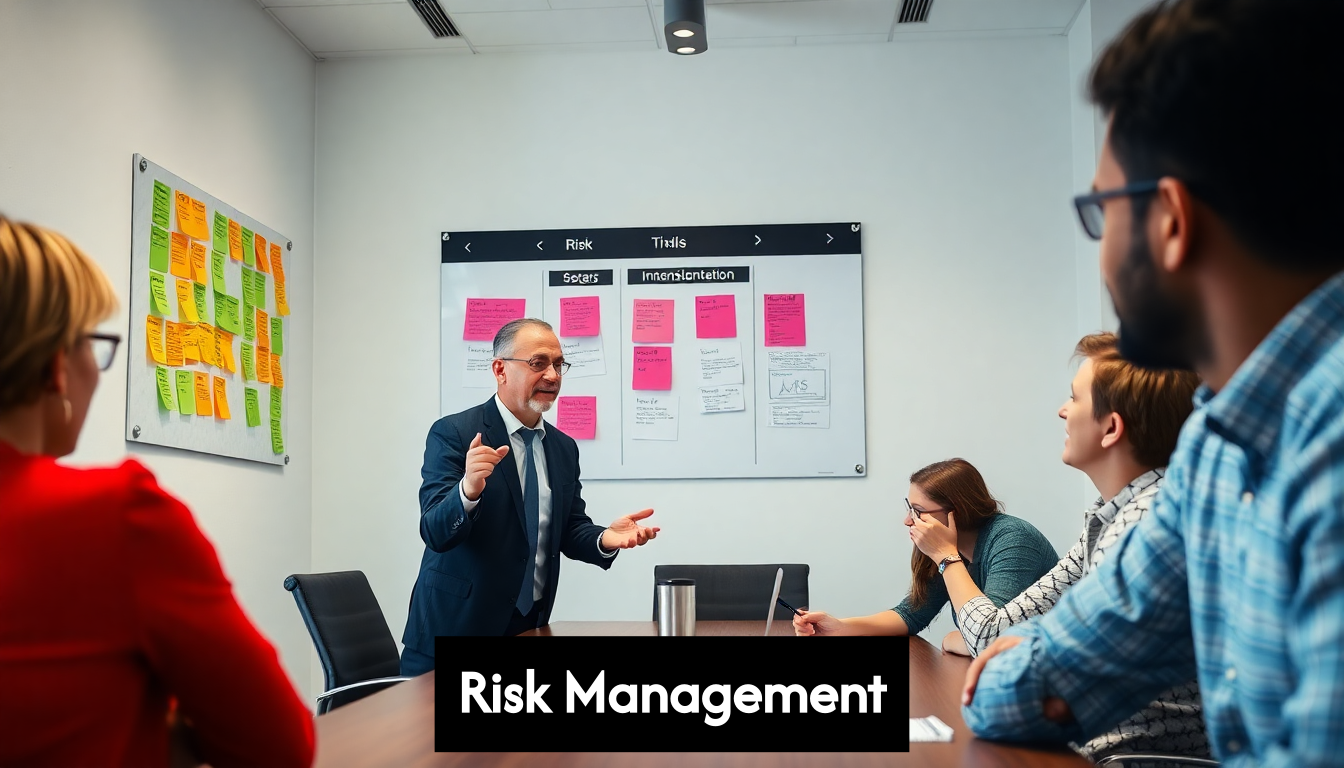
Effective risk management and team communication form the backbone of successful project delivery. When these two elements work in harmony, projects become more resilient, adaptable, and ultimately more successful. Let’s explore how these critical aspects of project management intersect and reinforce each other.
Proactive Risk Identification
Risk management begins long before issues arise. Best practices for project management emphasize early, systematic risk identification involving the entire project team. This collaborative approach taps into diverse perspectives and experiences, uncovering risks that might otherwise remain hidden.
Effective project managers create psychological safety that encourages team members to voice concerns without fear of negative consequences. This environment fosters honest discussions about potential problems rather than allowing optimism bias to prevail.
Structured risk identification sessions should occur at project initiation and at the beginning of each new phase. These sessions might use techniques like:
- Brainstorming with cross-functional team members
- Reviewing lessons learned from similar past projects
- Analyzing project assumptions and constraints
- Examining each WBS component for specific vulnerabilities
The key is making risk identification a regular, expected part of project practice rather than a one-time event.
Risk Communication Protocols
Identifying risks holds little value if that information isn’t properly communicated. Effective risk communication requires clear protocols that detail who needs what information and when.
Project management good practices include establishing standardized risk reporting that scales information appropriately:
- Team members need detailed risk information relevant to their work
- Project managers need visibility across all risk categories
- Executives require high-level views of critical risks with potential business impact
The most effective risk communication follows consistent formats that allow quick comprehension while avoiding information overload. Risk registers should be living documents, not static reports that grow stale between updates.
Transparent Team Communication
Beyond risk-specific communication, overall team communication transparency serves as a protective factor against project failure. When information flows freely, teams can coordinate effectively and adjust to changing circumstances.
Project managers should establish communication norms that specify:
- Which communication channels to use for different types of information
- Expected response times for various message categories
- Documentation requirements for decisions and action items
- Regular meeting cadences with clear purposes
The practice of project management increasingly requires balancing synchronous and asynchronous communication methods to accommodate distributed teams without creating meeting fatigue.
Continuous Risk Monitoring
Risk management isn’t complete after initial identification and planning. The most effective project management practices include continuous risk monitoring systems that detect changing risk profiles throughout the project lifecycle.
This ongoing monitoring should be tied directly to team communication channels, ensuring that emerging risks trigger appropriate notifications. Key elements include:
- Regular review of risk triggers and early warning signs
- Adjustment of risk probabilities and impacts as the project evolves
- Tracking of risk response effectiveness
- Identification of secondary risks that emerge from mitigation actions
By embedding risk awareness into daily team operations, issues can be addressed while they’re still manageable, rather than waiting for formal status reviews.
Escalation Pathways
Despite best preventive efforts, some risks will inevitably materialize into issues. When this happens, clear escalation pathways become crucial for timely resolution.
Practices of project management should include predefined escalation procedures that specify:
- Criteria that trigger escalation (impact thresholds, timing considerations)
- Who has authority to escalate issues
- The chain of escalation with defined response timeframes
- Required information to include when escalating
These pathways should be documented and communicated to all team members, removing ambiguity about when and how to raise concerns.
Learning Loops
Finally, the intersection of risk management and communication should include feedback mechanisms that drive continuous improvement. Each risk event—whether successfully mitigated or not—offers valuable learning opportunities.
Project managers should facilitate regular retrospectives focused specifically on risk management effectiveness. These sessions help teams refine their approach to identifying, communicating, and addressing risks in future project phases or initiatives.
By treating risk management as an ongoing learning process rather than a compliance exercise, teams develop increasingly sophisticated risk awareness and response capabilities that lead to more consistent project success.
Frequently Asked Questions
What are the essential principles of effective project management?
Successful project management principles include establishing a clear vision and defined objectives, engaging stakeholders comprehensively, proactive risk management and adaptability, resource optimization, and continuous improvement.
How can stakeholder engagement improve project success rates?
Early and continuous involvement of stakeholders can lead to a 24% higher project success rate by fostering collaboration and understanding of expectations, ensuring that projects meet their intended goals.
What is a pre-mortem analysis, and why is it important?
A pre-mortem analysis is a technique where team members imagine that the project has failed and work backward to identify reasons for that failure. This proactive risk identification method strengthens planning and enhances risk mitigation strategies.
What digital tools are best for project management in 2025?
An effective project management strategy in 2025 should leverage integrated tool ecosystems, data visualization for decision support, automation of routine tasks, and advanced collaboration features to enhance communication and streamline workflows.
Elevate Your Project Management Skills with Peuneo
Are you ready to transform your project outcomes from average to exceptional? In 2025, engaging stakeholders early and implementing effective risk management are critical best practices for achieving project success. At Peuneo, we understand the unique challenges you face in navigating these complexities. Our accredited training and consulting services empower you to adopt the best practices highlighted in expert literature, helping your team achieve that coveted 24% higher project success rate.
!
Don’t let a lack of training hold you back. Dive into our online learning portal, featuring industry-specific courses tailored to equip you with the skills and methodologies needed to excel in project management. Discover how to engage stakeholders effectively, optimize resources, and manage risks proactively. Visit peuneo.co.za NOW to get started on enhancing your project management capabilities and drive your organization toward success!